
Milinkovic: Economic reasons are the main cause of emigration, additional motive is needed for return
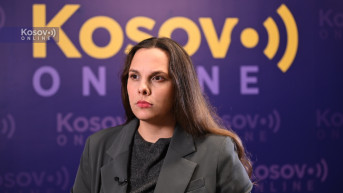
Senior researcher at the Center for European Policy in Belgrade, Ana Milinkovic, tells Kosovo Online that salary levels alone are not sufficient motivation for people who have left Serbia to return. She cited the example of Estonia, which demonstrated that people start returning when general living and working conditions improve.
According to her, the most significant contribution to the return of migrants to Serbia and support for returnees has been made by the organization "Returning Point," which collaborates with the government and serves as a bridge between returnees and the state. One of their notable projects is the Carta Serbica.
“Carta Serbica makes it easier for people of Serbian origin, who were forced by laws and regulations in other countries to renounce their Serbian citizenship or those born abroad who did not obtain Serbian citizenship by birth, to get a residency permit in Serbia. Based on this, they can find employment or start their own business,” Milinkovic explained.
She adds that "Returning Point" also offers a guide for returnees, containing most of the information needed by someone planning to return to Serbia. Additionally, they organize events featuring relevant ministers, such as those for education, science, and technological development, where highly educated returnees from prestigious global universities gather, along with businesspeople and economic groups in cooperation with the Chamber of Commerce.
The eGovernment portal also provides information for returnees, Milinkovic added.
“There are some employment benefits, for instance, for young researchers. A program for young researchers is available during specific application periods, and returnees face more relaxed criteria compared to researchers from Serbia. There is also an initiative aimed at bringing back drivers,” she noted.
However, Milinkovic emphasizes that the primary reason people leave the country is economic, but those same reasons are not sufficient to bring them back.
“Simply increasing salaries won’t bring these people back. The social climate needs to change because some people left for reasons beyond just income. They need an additional motive to return, apart from wages. Serbia cannot compete with the countries our people are moving to in terms of earnings, but financial incentives are crucial for moving abroad, as the way of life or cultural aspects won’t necessarily attract people there,” Milinkovic pointed out.
Based on a comparative analysis of the experiences of three countries – Bulgaria, Estonia, and Ireland – that Milinkovic worked on, she noted that approximately 50% of Estonians who emigrate settle in Finland. However, as Estonia experienced economic growth and the results of its transition became evident, a large number of people began returning from Finland, despite slightly higher wages there.
“The labor market started functioning based on fair and equal conditions for everyone, and the country improved the quality of life and opportunities available for people to enjoy,” she said.
Milinkovic also stressed that once people emigrate, it becomes easier for them to do so again, which is why balanced regional development within the country is so important.
“If someone moves from Novi Pazar to Belgrade, it becomes easier for them to later move abroad from Belgrade. Most of our students study in Belgrade, which means they have already taken that first step. This is why it is essential for Serbia to develop more evenly, offering fair and equal conditions in the labor market and better opportunities at the local level,” Milinkovic assessed.
Given that Serbia has adopted a Strategy on Economic Migrations for the Period 2021–2027, Milinkovic noted that one of the goals of the strategy is to improve migration statistics, as little is currently known about where Serbian migrants are going. Furthermore, there is no exact data on how many people are returning to Serbia.
“We find out where our migrants are based on the statistics of other countries, while we lack our own migration data. It is crucial to know where people are going, how many are leaving, and why. For instance, Estonia has done this very well. They have a fully digitalized administration and detailed information about where their citizens are, enabling them to offer support. These data allow them to tailor measures, identifying where highly educated emigrants are located and where they have mid-level skilled labor, which is also highly needed to attract back,” Milinkovic said.
She also emphasizes the importance of maintaining contact and ties with the homeland, an area where "Returning Point" and various individual diaspora initiatives are active.
“This is especially important for the second or third generation of migrants. For instance, Estonians provide free Estonian language courses for children and adults, which is crucial for potential future returns. These changes don’t happen overnight or quickly, but it is essential to work on broader systemic improvements,” she concluded.



0 comments