
Bancroft: Kosovo is not a multiethnic society

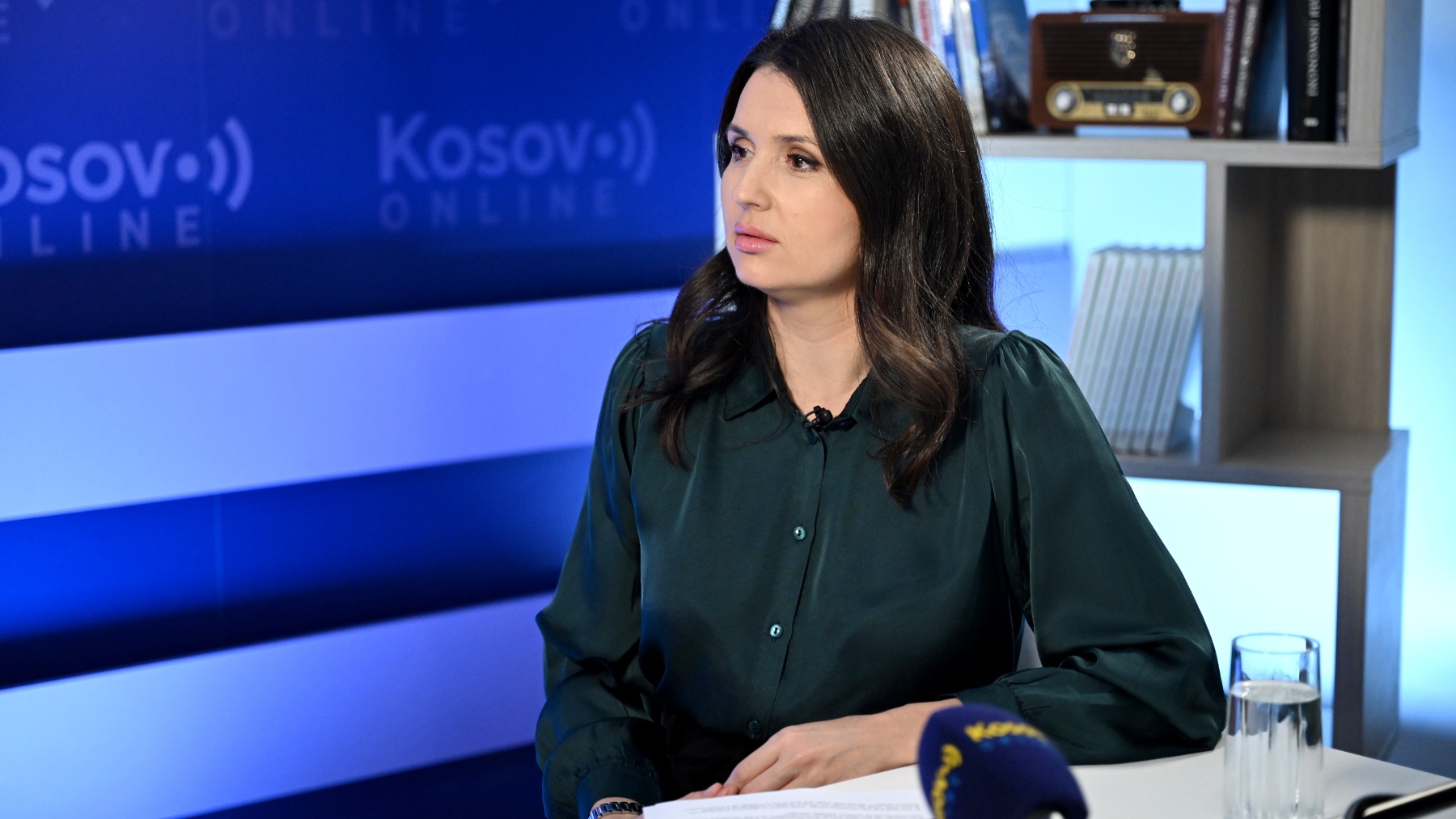
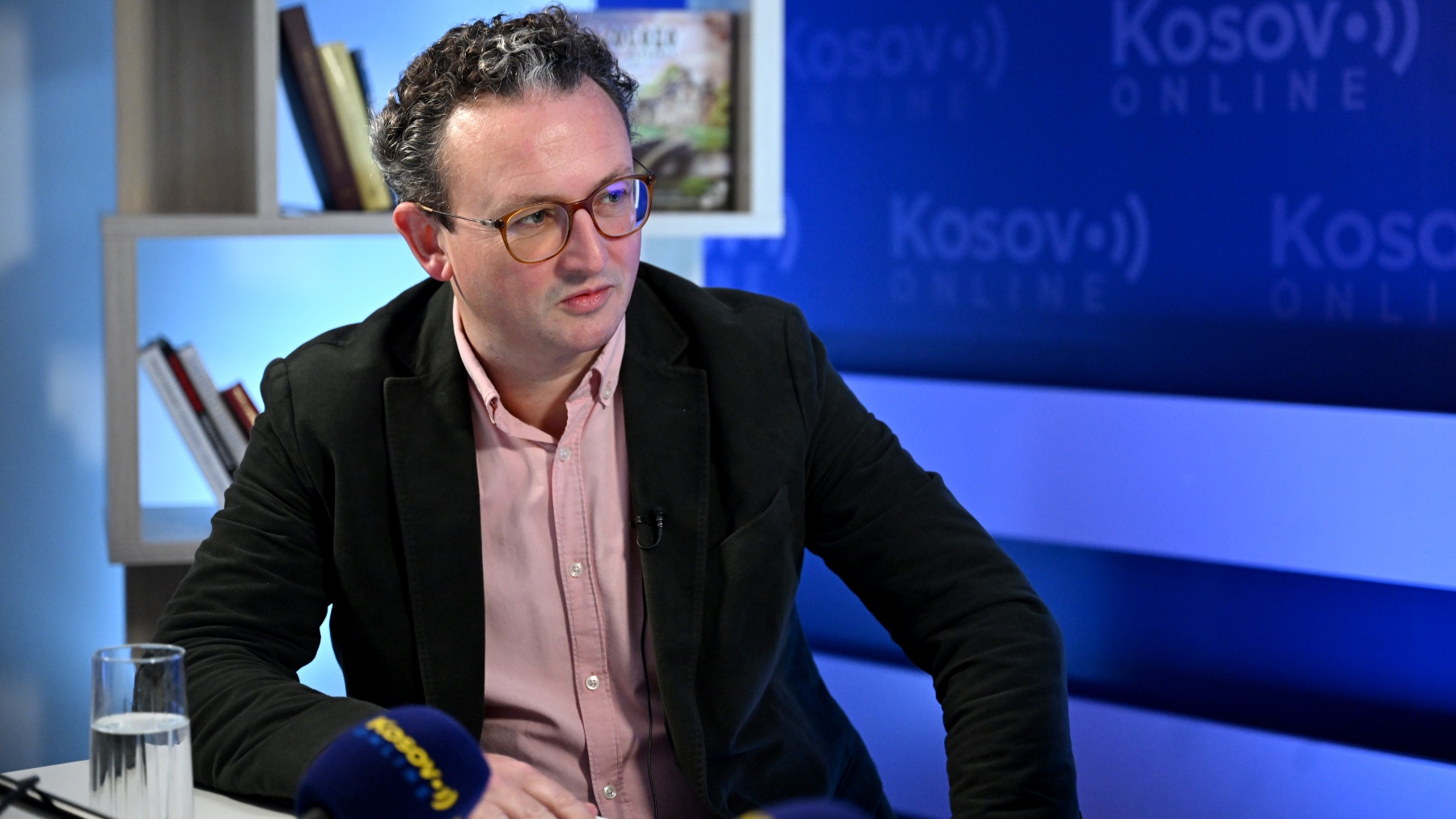
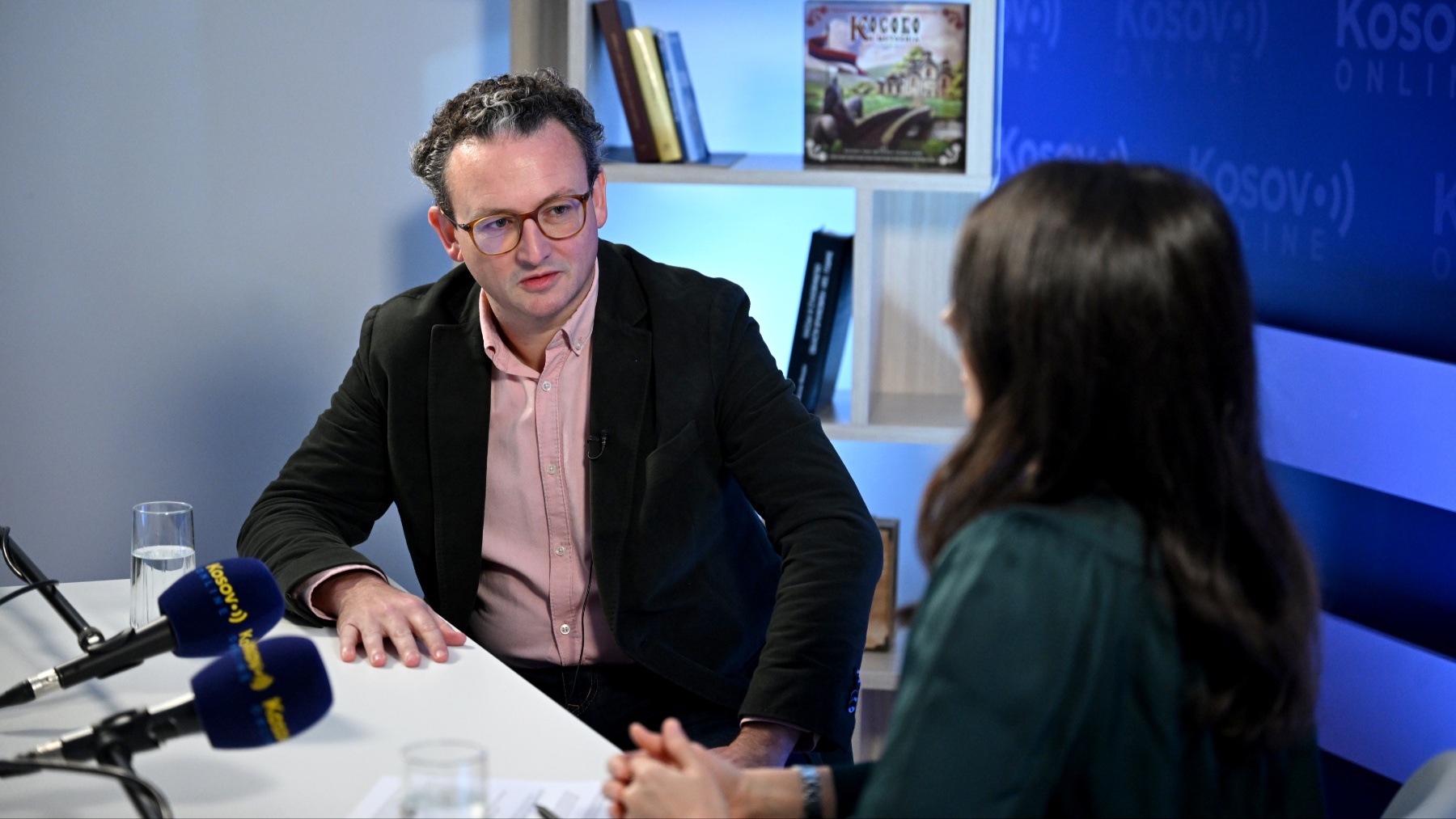
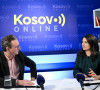
The Community of Serb-majority Municipalities (CSM) remains absolutely essential. We still have two major community-related issues on the table that have not been resolved—healthcare and education. The CSM enables transparent financing of those institutions from Belgrade. And these are the issues that truly matter—if you have a family in the north, you want to know how healthcare will be provided, what your children will learn in school. I understand that the model is not what many Serbs would prefer, but until we see progress regarding the Association, it is very difficult to see how normalization can move forward, because the existence of the Serb community in Kosovo is a major aspect of the dialogue, said Ian Bancroft, writer and former British diplomat, in the Context podcast.
At one conference he attended, a very good question was raised: What do you do when the mediator is more enthusiastic than the parties themselves about solving a problem?
“This creates a very unusual situation in which the mediator is not actually a mediator. They become more like a cheerleader, because the two sides are not asking for mediation. They are not seeking someone to help them find a solution or a compromise. A mediator works only when both sides want to find a solution. Otherwise, the mediator arrives in Pristina or Belgrade and tries to encourage them to return to the negotiating table. That is why I have a lot of sympathy for the mediator, Mr. Sørensen, and I do not envy him at all—it is like a ‘poisoned chalice’ at this moment,” Bancroft added.
Bancroft does not analyze Belgrade–Pristina relations solely through political lenses. As a wine expert and author of wine guides, he says that Pinot Noir is the grape variety that best reflects Serb–Albanian relations.
“Because it is very demanding, often fails, and is sensitive to disease. If properly cultivated, it produces extraordinary wine. Likewise, relations between Serbs and Albanians require a lot of attention and effort, but if nurtured, they can yield excellent results. These relations are still based on hope, not expectation, but the potential exists,” Bancroft said.
He spent three years in northern Kosovo, from 2015 to 2018, as an EULEX officer, and turned that experience into a book titled Dragon’s Teeth: Tales from North Kosovo. Speaking of North Mitrovica, where he lived, he says it is no longer the same city.
“I think there has been a fundamental change. If you walk along the main pedestrian street, you will see how many Albanian businesses have opened. From conversations with friends and former colleagues, I get the impression that many people have left the north, that they see no future in northern Kosovo, and that is a great shame. I feel that much of the progress I witnessed from 2015 to 2018 has now been undone. And I am deeply concerned about what the Serb community in the north will look like in the years ahead,” Bancroft said.
The future of the University is also in question due to constant announcements from Pristina that education and healthcare will be integrated into the Kosovo system. According to the Context podcast guest, this would be the end of the Serb community in Kosovo.
“In the book I describe how Mitrovica, in many ways, is a university town. It may not have the aesthetics one usually associates with such a city, but thousands of students come north each year from different parts of the region, primarily from certain cities in Serbia. They bring their youthful energy. Naturally, they bring money too, they rent apartments. They bring a certain vibrancy. Once, Trepca was the main employer and every family had someone working there, but now that is a dead end. The University brings a sense of life to the north. And I believe that if the university were relocated or further weakened, and if students were discouraged from coming, it would have a real, tangible impact on the socioeconomic life of the north. Of course, steps are needed to regulate and find a sustainable solution for what happens when someone graduates from that University,” Bancroft noted.
To understand the Kosovo question, one must understand history and narratives, Bancroft says. He does not rule out current developments either.
“Among Serbs there is a sense that double standards have been applied in Kosovo. Ursula von der Leyen spoke just the other day about the importance of preserving Ukraine’s territorial integrity. For many Serbs, this appears to be an obvious contradiction—Kosovo’s unilateral declaration of independence was recognized by most EU member states. And yet now emphasis is placed on the importance of a rules-based order as applied to Ukraine, which creates a sense of injustice. Whether one agrees or not, that feeling exists. Meanwhile, more recent history for many Albanians—especially the majority in Kosovo—the experience of discrimination under the Milosevic regime and the experience of war in the late 1990s remain very fresh. The bombing and everything that followed—all of that is still raw emotion. I think there are many unresolved traumas that make it difficult for people to think objectively, calmly, and rationally about how to move forward, how to find compromise and solutions,” the former diplomat assessed.


He also commented on the security situation.
“When you have a government in Pristina developing a particular fixation on the north and demonstrating that it can deploy special units, this breaks the trust that existed and creates an unsafe environment. If the local community does not have confidence in its police force, that creates problems,” Bancroft emphasized.
Speaking about the normalization process, he said it has never been clearly defined.
“Does it mean Serbia recognizes Kosovo as an independent state? Or is it a compromise in which Serbia accepts that Kosovo functions in the international arena? And as one of the elements of the recent agreement says, enables Kosovo to access certain international organizations. Naturally, it is not up to Belgrade to decide whether Kosovo will become a UN member—other countries have vetoes. But I am not sure we know what exactly the normalization process means. And that is the problem. Someone once told me that the red line is that countries recognized Kosovo’s independence under the assumption that Kosovo would be committed to building a prosperous, multiethnic society. And if that commitment is not there, those who recognized Kosovo’s independence should hold the authorities—especially the current government in Pristina—accountable for returning to previous practices. I think the steps we have seen in the last two years have significantly undermined the belief that Kosovo can function as a multiethnic state. When I go north, people always ask: ‘What’s next?’ Living in an environment where you wake up in the morning wondering what will happen today is deeply unhealthy,” Bancroft concluded.
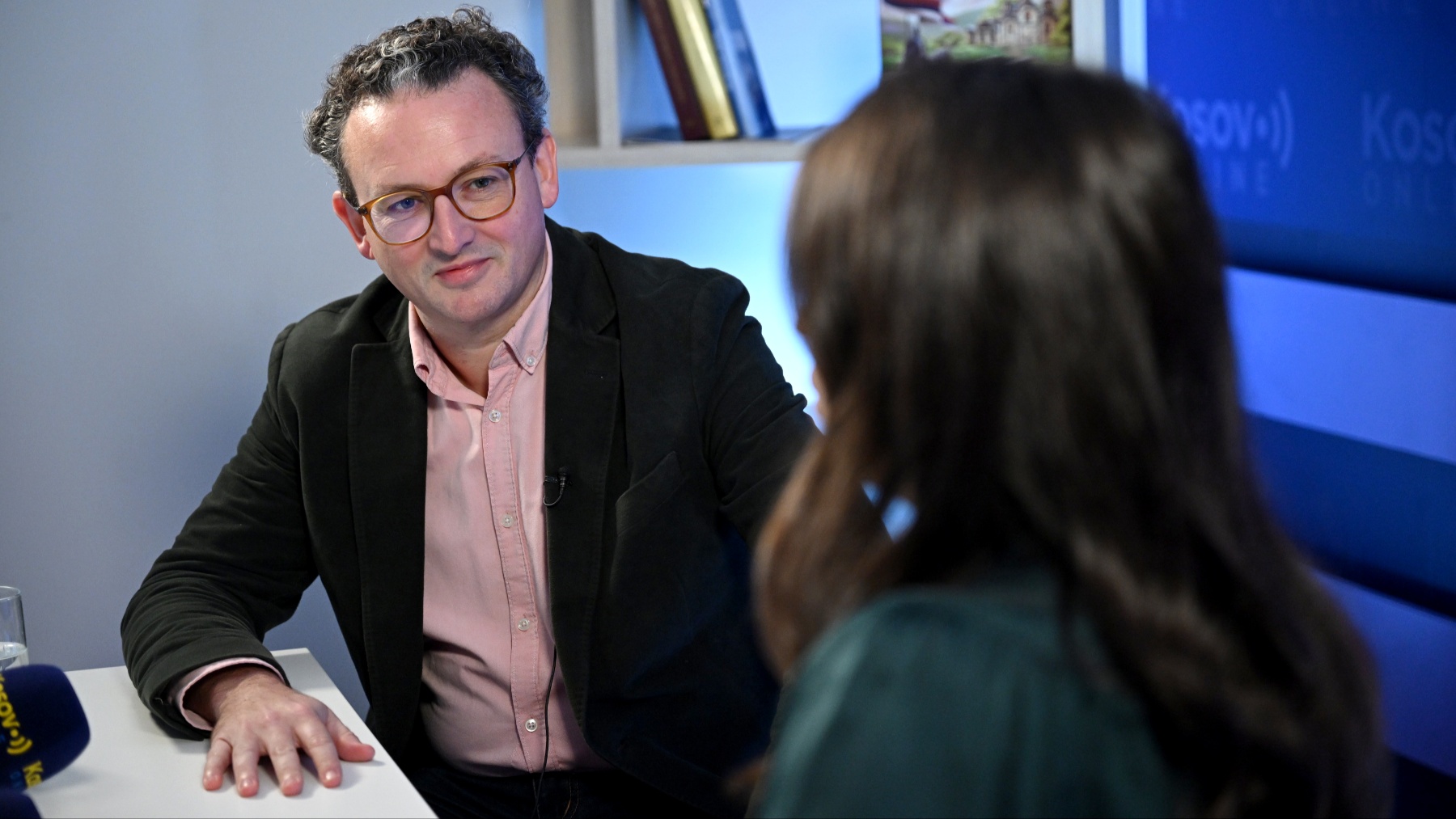
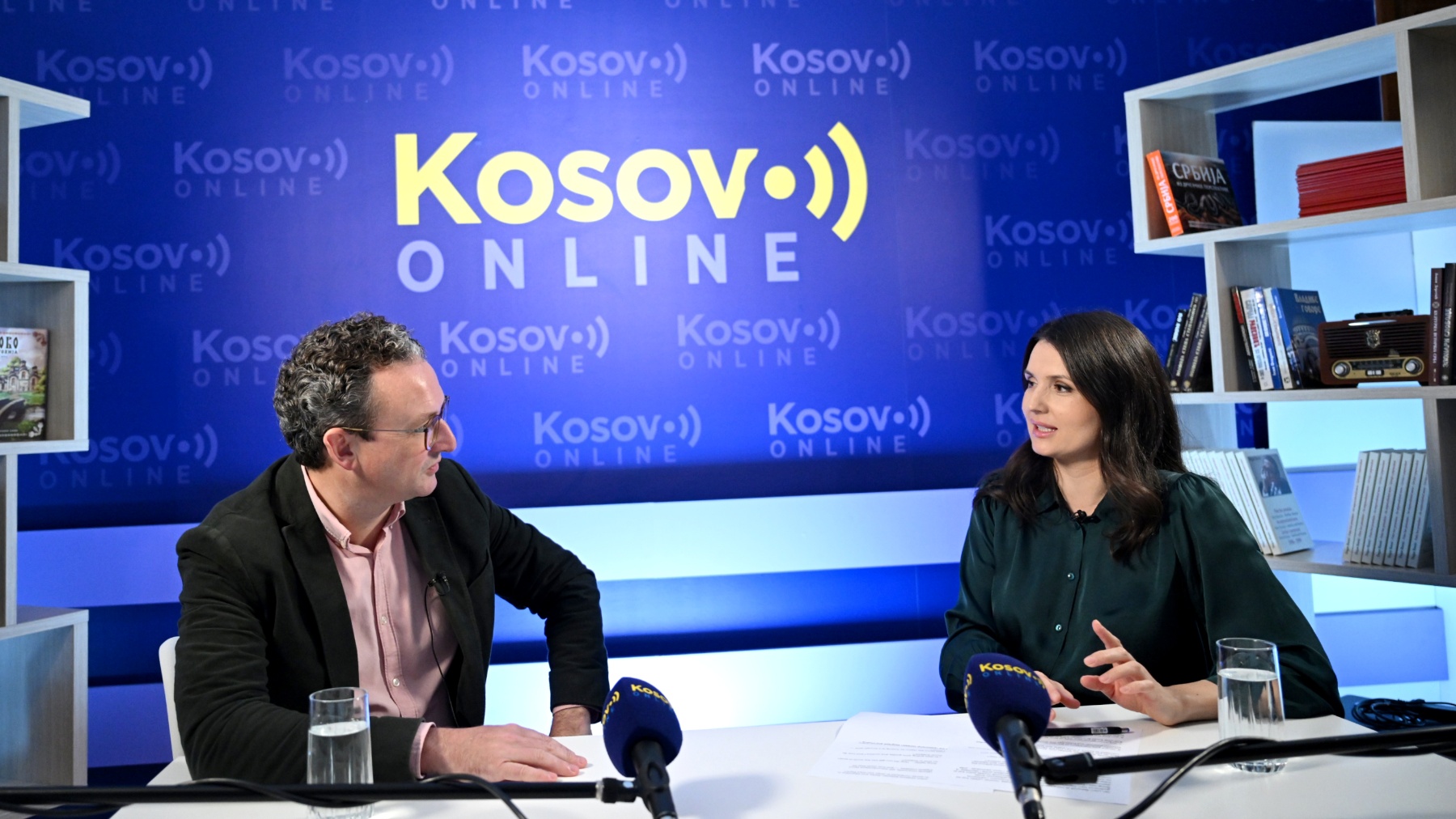
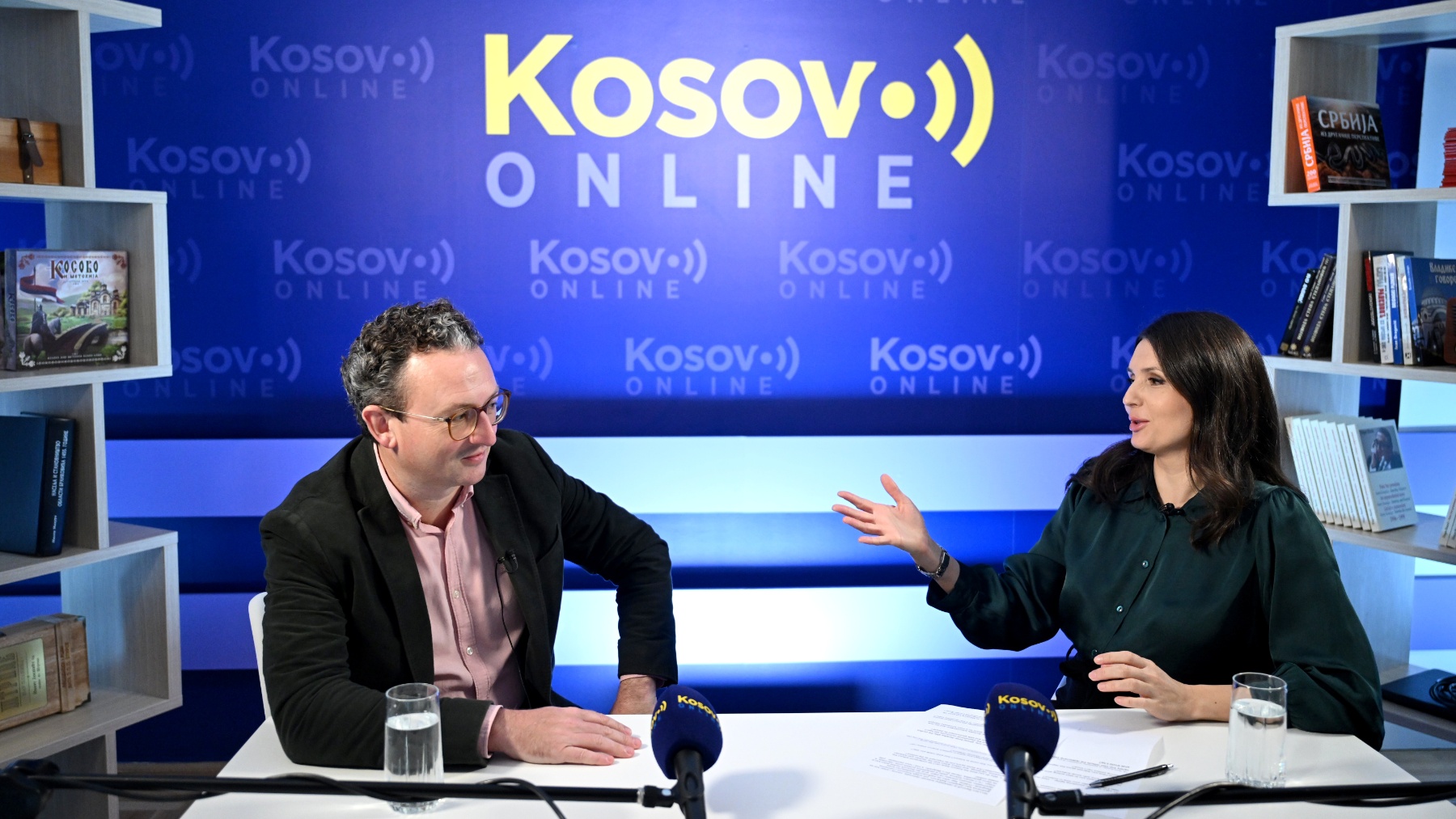
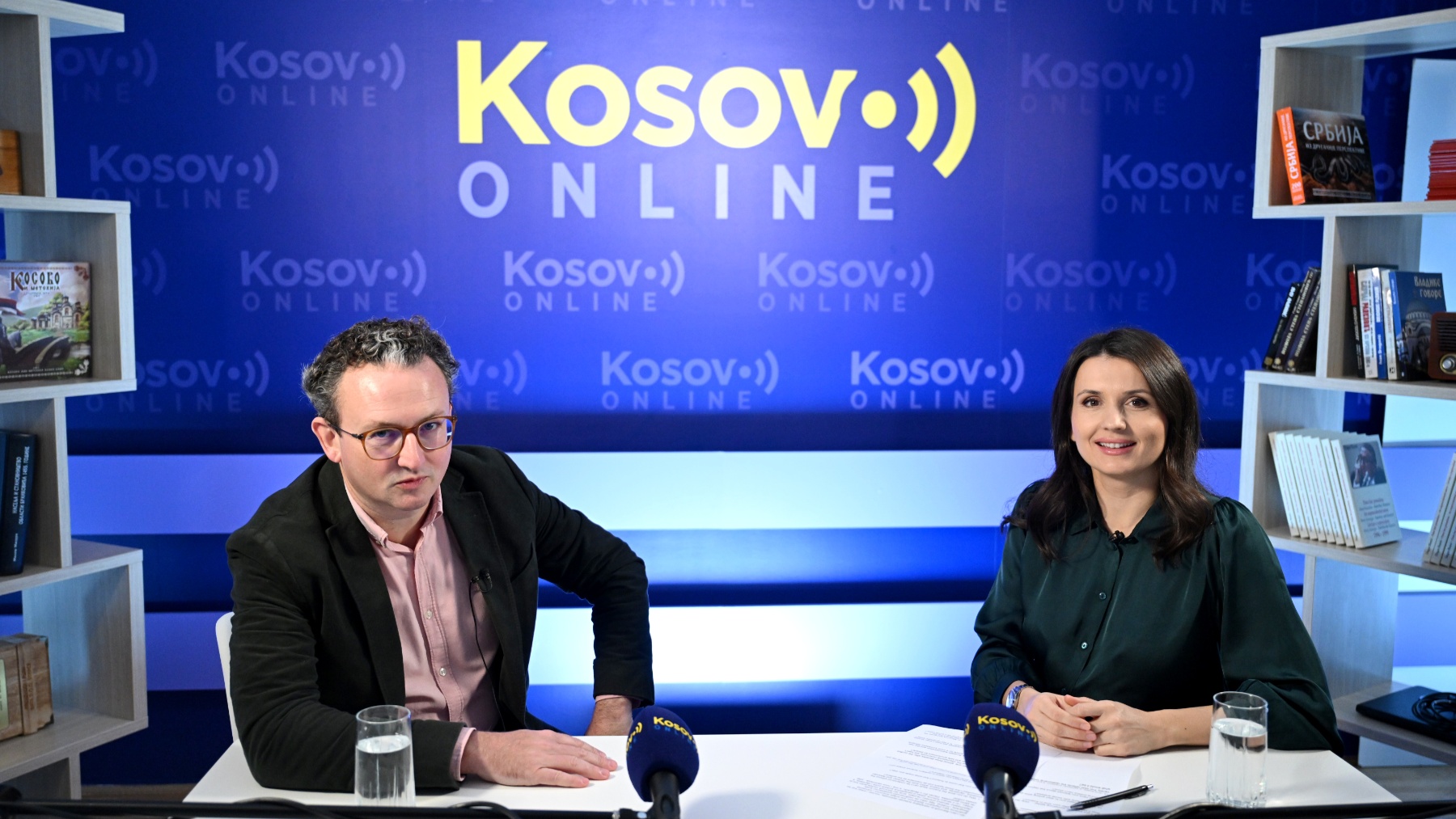
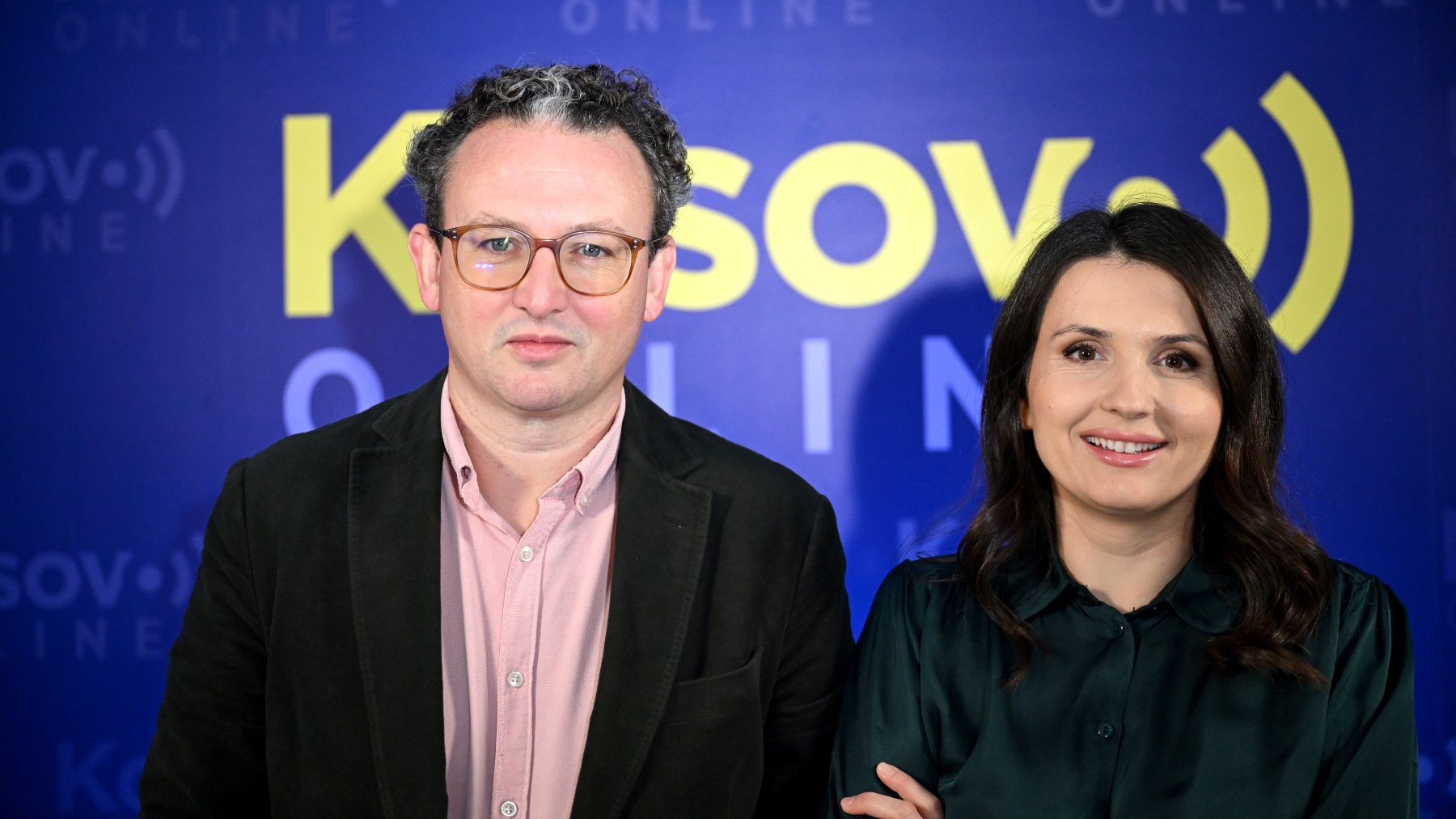
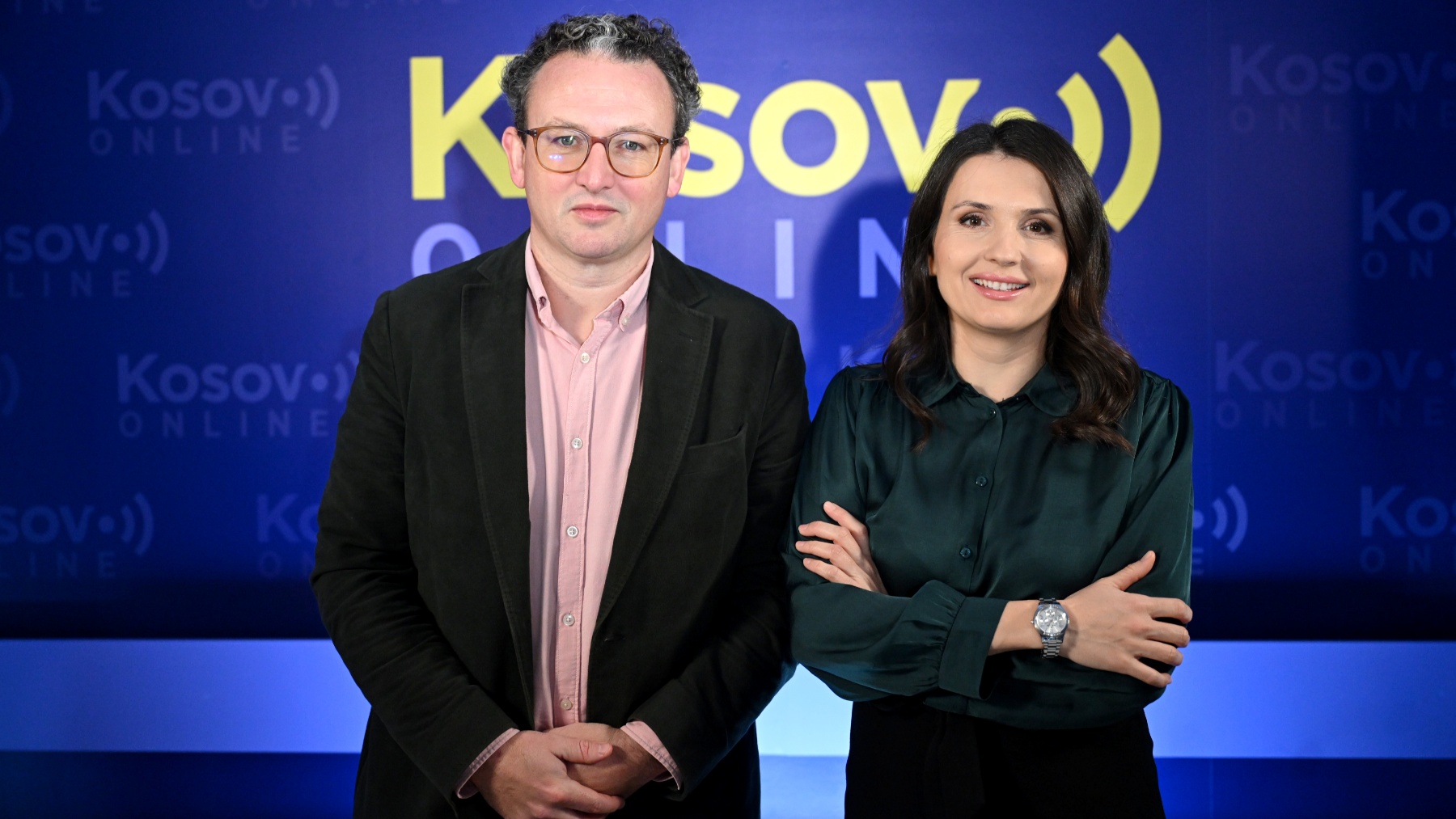
You can watch Ian Bancroft’s conversation with Dragana Biberovic in the accompanying video.

0 comments