
Serbs for boycotting the referendum on the change of the mayor, mayors are boycotting the interests of Serbs, what is the way out?
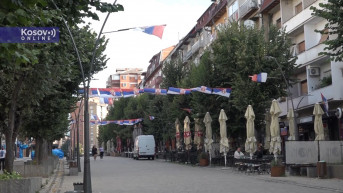
Albanian mayors in four municipalities in the north of Kosovo will apparently remain in their positions even after April 21, when a referendum on their removal is scheduled. According to Serbian parties, this process is doomed to failure due to, as they believe, the impossible procedure prescribed by the Kosovo authorities, which is why they have opted to boycott it.
The continuation of the management of the municipalities by mayors elected in the elections on April 23 last year, in which only 13 Serbs voted, according to Kosovo Online's interlocutors, will be nothing other than a continuation of the boycott of the interests of the predominantly Serbian population.
In addition to the mistrust towards the Albanian mayors, the trust of the Serbs from the north in the international community is, to put it mildly, on thin ice, which has been significantly contributed to by assurances that the signatures collected within the petition for the removal of the mayor would be sufficient and that the mayors would withdraw after this process. Since this did not happen, and Western diplomats view the referendum boycott with disapproval, the current leaders of North Mitrovica, Zvecan, Zubin Potok, and Leposavic might expect to stay in power until the regular local elections in 2025.
Slobodan Stosic, program manager of the Center for Advocacy of Democratic Culture (ACDC), says that he does not see that the pressures from some European countries were stronger and could have contributed to the mayors resigning.
"If the pressures now increased, even if the mayors were removed, the councilors in the assemblies would remain the same, and the current councilors of the SO North Mitrovica do not represent the real population that lives here," Stosic told Kosovo Online.
Asked if there is a possibility of calling simultaneous local elections with extraordinary parliamentary elections if they occur, he says it is possible.
"I see that opposition parties are calling for the removal of Prime Minister Kurti, preparing for extraordinary parliamentary elections. If that happens, we can expect extraordinary local elections as well," Stosic believes.
He emphasizes that it's important to clarify what led to the current situation, including the decision to install cameras at polling stations.
"It's only stated that footage from the cameras can be obtained by law enforcement institutions, which is a rather broad term. Personally, and my organization as well, we understand the concerns of citizens who are afraid that they will be recorded and that something might happen to them after voting, that the recordings will be misused, because these are not regular elections. If they were regular, then cameras and filming would make sense, but in this referendum, or rather in the voting for the recall of the mayor, only people who vote against the mayor will come out. Those who will vote are those against the mayor, so we have a reason for concern," Stosic highlights.
Regarding the new situation, political scientist Ognjen Gogic reminds that Albanian mayors have repeatedly stated that they do not intend to leave their positions, and he estimates that they will continue to act as before and make decisions directly against the interests of the local population.
"The population in the northern four municipalities, especially in North Mitrovica, where the most controversial decisions were made, clearly expresses its stance and opposition related to these decisions, and it seems that these representatives of the authorities ignore it. If they are not removed, it will encourage them, they will think they have won in this situation," Gogic tells for Kosovo Online. Simultaneously, he points out that since last fall, there was "talk" that it would be enough for the Serbs to initiate the procedure for the removal of the four mayors according to the Administrative Instruction and collect signatures through a petition, and then the international community would pressure the Kosovo side to expedite the procedure so that the mayors would resign on their own.
"International representatives, both from diplomatic missions and international organizations, came to the north of Kosovo and assured representatives of the Serbian community of this while claiming that Kosovo itself does not need a referendum because it can be contested in court, and that it's a huge expense for the Kosovo budget. Indeed, there was assurance to people that the signatures within the petitions would be sufficient, and this is one of the reasons why people agreed to sign the petitions, thinking that it would end this process," Gogic says.
Since then, the ban on dinars has further undermined the trust of Serbs in the institutions of Pristina, our interlocutor says that citizens now think that even if they remove the mayors in the referendums, it will not remain as the final decision but that a way will be found to "circumvent" it.
“Therefore, it is harder to motivate people to sign something again, this time in inaccessible places, under cameras, when they think it will serve no purpose and that those cadres in the municipalities will remain in power until the end of the term. This is yet another broken promise deliberately spread by the international community from which everyone is now clearly distancing themselves,” Gogic notes.
He adds that this has once again shown that the international community is willing to pressure Kurti only up to a certain point.
Despite everything, he believes that there is room for discussion about technical obstacles that prevent the realization of citizens' voting rights by April 21, when the referendum is scheduled, and the possibility of finding a compromise by postponing the referendum should not be excluded. Serbian parties, he adds, could set conditions for participating in the referendum, such as a revision of the voter list, because, he says, it is a strange circumstance that the number of voters suddenly increases.
“What stance the international community will ultimately take will depend on how convincing the offered reasons are that the problems are insurmountable,” Gogic believes.
He points out that it should be kept in mind that Kosovo is going to parliamentary elections, at the latest in the winter of 2025, but presumably earlier, maybe in the fall of this year, because Albin Kurti does not want to wait for the White House elections, but wants to secure his new mandate before a possible change in the White House. In the case of a change in central government, as he says, this could be a factor that would influence finding the political will to expedite the process of replacing mayors in the north.
Sociologist Vladimir Vuletic tells Kosovo Online that the international community has, in a way, committed to solving the problem with the Albanian mayors in the north through an expedited procedure, and it will soon be a year since this issue has been dragging on, while Pristina constantly introduces new conditions and demands. He says there's a question whether something new would emerge as a condition even if the referendum on their removal took place, which is one of the reasons why Serbs, he believes, rightfully do not want to participate in it.
“They expect the international community to act in accordance with the word they gave. There are also practical reasons for not participating in the referendum, related to the policy led by Albin Kurti, because he has been pressuring Serbs ever since he has been at the head of the interim institutions, leading them to either emigrate or seek some form of asylum. The question is whether that referendum could be realized and represent the real situation on the ground,” says Vuletic for Kosovo Online.
If the Albanian mayors remain in office, he says, it will create practical problems, as some significant projects have already been halted because they are not in their interest.
“They were not appointed to pursue policies that would benefit the Serbs. For the construction of the rectorate in North Mitrovica, for example, funds were allocated, but those works have been halted. This affects students and teaching staff and complicates the normal life of Serbs. What I fear is that we will soon have a new situation where an attack will be made on educational, and perhaps even on health institutions, in a similar manner as the attack on the banking system was carried out,” Vuletic points out.


0 comments