
Albanians would not forgive Kurti for forming the CSM, with Haradinaj for another term in power
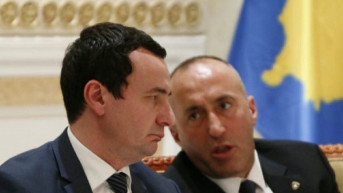
The voter base of Self-Determination would consider the establishment of the Community of Serb-majority Municipalities as Kurti's betrayal, and that would definitely bring him down from power. Kurti knows very well what he promised and what he did. The opposition threatens, but Kurti has a plan for another term at the helm of the government.
Written by: Miloš Garic
As the staunchest opponents of the formation of the Community of Serb-majority Municipalities from the very moment of the signing of the Brussels Agreement in 2013, Albin Kurti and his followers from Self-Determination have been very skillfully and persistently blocking this obligation of Pristina for 11 years, despite it having long been confirmed by the decision of the Kosovo parliament.
In strong opposition to the rights of Serbs in Kosovo, as well as the brutal endangerment of security and persecution of the Serbian community, Kurti has, in the meantime, built up significant political capital among Albanians, holding all the levers of power for several years now, thus attracting significant attention from the political public in Pristina every time the possibility arises that, under pressure from the West, the leader of Self-Determination might now accept the establishment of the Community of Serb-majority Municipalities.
At the insistence of official Belgrade and Serbs in Kosovo, and after enormous tensions in the northern part of the province due to provocative moves by Pristina, the establishment of the Community of Serb-majority Municipalities has been demanded from Kurti by Brussels and Washington in the last year, and very timidly sometimes by Berlin as well. Apparently, acknowledging the fact that the Brussels Agreement was not drafted to be genuinely fulfilled in the part that protects Serbian interests, representatives of the US, UK, and Germany are very cautious towards the Albanian authorities in Pristina, even when Kurti's government openly refuses to accept any obligation.
This has led to the scandalous situation where Kurti's potential consent to send the Draft Statute of the Community of Serb-majority Municipalities solely for assessment to the Constitutional Court in Pristina, without a clear plan for further steps, is even considered by the political West as sufficient "cover" for the announced admission of Kosovo to the Council of Europe.
However, Kurti has no intention of doing anything about the Community of Serb-majority Municipalities. And, two days ago, he reaffirmed this by stating new conditions.
"We cannot talk and discuss about the Community without accepting and respecting the Basic Agreement from Brussels from last year, with the Implementation Annex from Ohrid, without including all 39 agreements, without stating that Serbia has violated and is violating the Thaci-Dacic agreement from 2013, and while part of the Brussels Agreement from 2015 has been overturned in the Constitutional Court," Kurti rejected any possibility of discussing the Community of Serb-majority Municipalities two days ago.
Kurti wants another term
Albin Kurti seems to be fully aware of the consequences that would affect his political rating by agreeing to the Community of Serb-majority Municipalities. His political opponents also know this, and they almost daily raise the issue of the Community of Serb-majority Municipalities as the main argument in attacks on Self-Determination, claiming that the leader of this party has deviated from his former positions by agreeing to form the Community of Serb-majority Municipalities.
Former chief negotiator of Pristina in the dialogue, Edita Tahiri, spoke out yesterday again, claiming that due to Prime Minister Kurti's policy, Kosovo is the losing side, pointing out that during his term, mutual recognition with Serbia did not occur, and "the Serbian community gained greater autonomy through the Community of Serb-majority Municipalities, which he accepted."
Tahiri also says that Kurti violates the constitution when he speaks about internal issues in Brussels, such as the decision of the CBK to abolish the dinar.
"Kurti had American support when he started the dialogue to result in mutual recognition, as expressed in President Biden's letter. Not only has there been no mutual recognition, but he has also accepted the Community against which he was opposed and which brought him to power. Thanks to opposition to the Community, he received 50 percent of the vote. Then he accepted it as if nothing had happened," Tahiri pointed out.
Observers in Pristina believe that Albin Kurti has no intention of making any substantive changes to his policy and that, despite announcements from the opposition, he will insist that his government completes its full term until the beginning of next year when regular elections are due. And, he has a plan to stay in power even after the elections.
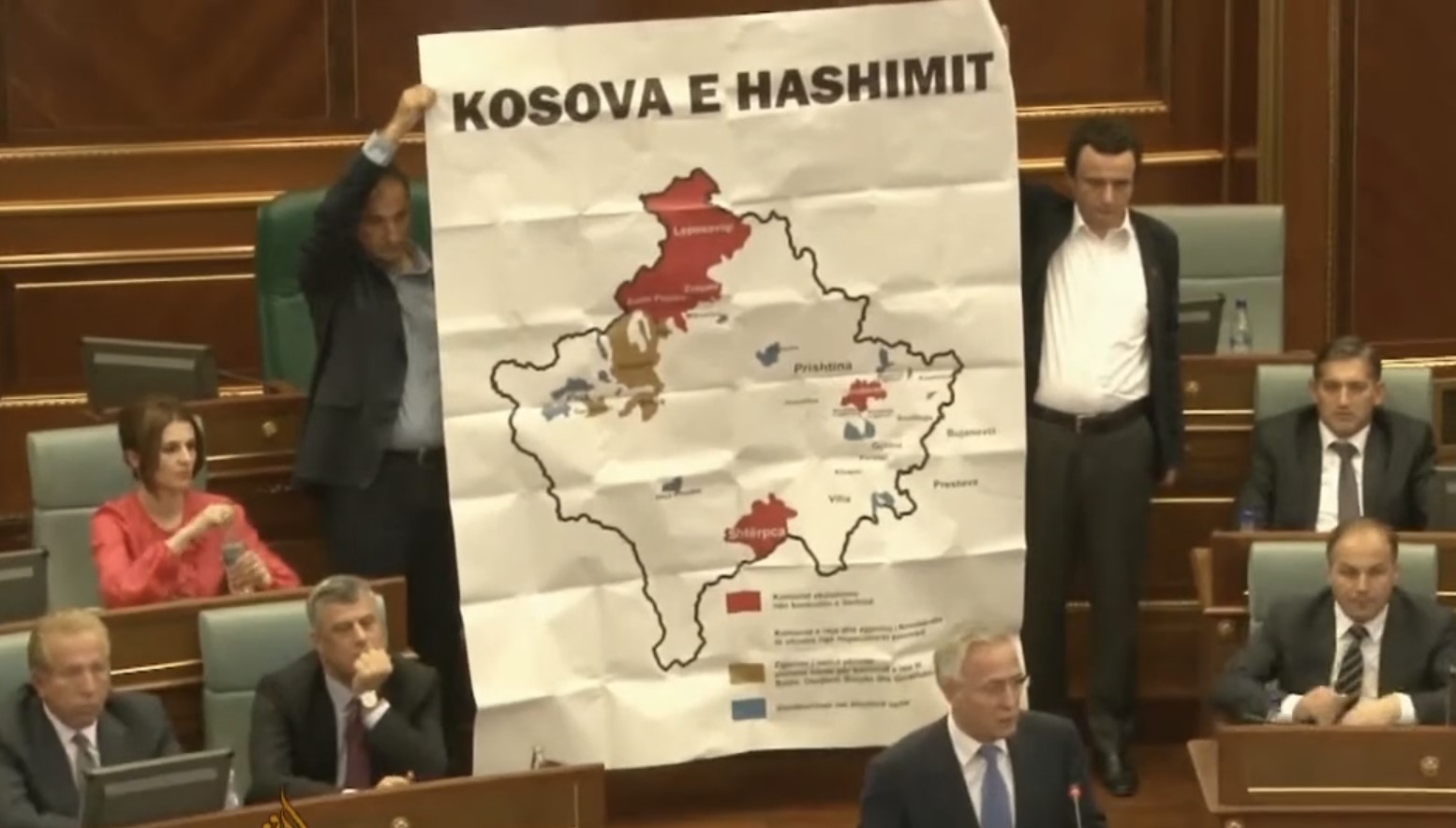
Experienced political analyst from South Mitrovica, Nedžmedin Spahiu, vividly confirmed for Kontekst that supporters and voters of Albin Kurti absolutely believe that he will not enable the formation of the Community of Serb-majority Municipalities.
"Kurti's supporters would forgive him for the Community, only if Serbia fulfills its obligations, if it opens a permanent diplomatic mission in Pristina and allows Kosovo to open its permanent diplomatic mission in Belgrade," says Spahiu, evidently alluding to Kosovo's recognition by Belgrade as the sole condition for the Community of Serb-majority Municipalities.
Regarding post-election coalitions and the continuation of Kurti's rule, Spahiu believes that a coalition between Self-Determination and the Alliance for the Future of Kosovo is on the horizon, which would also mean the return of political influence by Ramush Haradinaj.
"After the elections, Ramush Haradinaj will be Kurti's coalition partner," Spahiu concluded briefly.
Meanwhile, the president of ABK, Ramush Haradinaj, often comments on Kurti's moves, especially the possibility that Kurti may agree to the Community of Serb-majority Municipalities in exchange for membership in the Council of Europe.
Haradinaj cautiously criticizes Kurti, stating that the previous Kosovo governments had delayed with the Community of Serb-majority Municipalities to obtain bilateral recognition from Serbia or NATO membership.
"All that we had as Kosovo, we are now surrendering to the Council of Europe. I am not saying that moving to the next round of membership is a bad thing. I was happy, we fought for votes, I was active all the time. When they sent the letter to the Council of Europe, Kurti, Osmani, and Konjufca pushed Kosovo into taking action to implement the Community. The Community has not been realized for many years because it was the main card to obtain bilateral recognition from Serbia. If not that, then something else significant, which is NATO membership," explained Haradinaj.
Role of Ramush Haradinaj
Analyst from Pristina, Blerim Burjani, told Kontekst that Self-Determination voters strongly oppose the Community of Serb-majority Municipalities.
"It can be said that Self-Determination voters are satisfied because the Community of Serb-majority Municipalities has not been formed. Kurti promised the people and Self-Determination voters that there would be no unconstitutional Community that threatens order, stability, and the Constitution of Kosovo. The Self-Determination voter base would not forgive the formation of the Community of Serb-majority Municipalities; a promise is a promise, and Kurti knows that very well. The formation of the Community of Serb-majority Municipalities would mean that Self-Determination loses the trust of its voters," warned Burjani.
He added that Kurti can only form the Community of Serb-majority Municipalities if there is consensus with the opposition on this issue.
"Only then would he find some reasonable explanation for his voters. I don't think Kurti will establish the Community of Serb-majority Municipalities in this term, maybe in the next, third term. After the new elections, he may change his mind to some extent to form some kind of Community of Serb-majority Municipalities. At this moment, Self-Determination voters would not forgive the Community of Serb-majority Municipalities; it would mean betrayal. There is already no trust in the ruling party that it gained in the previous elections. Kurti no longer has the majority of voters and does not enjoy the trust he once had, and there are many reasons for that. There is no increase in salaries, no higher employment, no reforms in education, health, or the pension system," pointed out Burjani.
Burjani leaves open the possibility that Ramush Haradinaj may return strengthened to the political scene in Kosovo after the next elections, in coalition with Kurti's Self-Determination.
"Currently, Haradinaj has no significant role on the political scene of Kosovo and no political power to change anything. His political role can only increase if a coalition between ABK and Self-Determination arises and wins the elections in 2025. Haradinaj with ABK has no significance on the political scene and will only have it in case Self-Determination does not get a majority to form a government in the elections and has to form a coalition with ABK. The chances of early elections are low in this situation because Kurti is buying political time with the dinar and can come up with something again that will be a topic in Brussels. Kurti does not want his government to be ousted before the end of the term because that would acknowledge that he lacks the capacity to hold power. He wants to finish this term until the end," noted Burjani.

comments