
Andric Rakic: Postal voting is problematic, it may call into question the mayors' recall
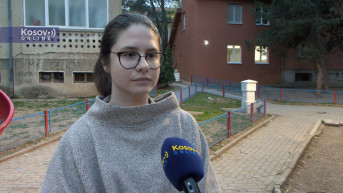
Program Manager of the NGO Social Initiative Milica Andric Rakic says that the success of the vote for the recall of mayors in municipalities in the north can be affected by the fact that the procedure stipulates that voters outside of Kosovo vote by mail, as this method of voting has proven to be very problematic in recent years and has been poorly organized.
"The votes arriving by mail are crucial given that many people have left Kosovo in recent months, and this method of voting has had the most problems. After the 2019 scandal involving alleged poisoning of votes from Serbia, in electoral cycles, the practice was such that votes were sent by mail to Macedonia and Montenegro because there was no cooperation between the Serbian Post and the post in Kosovo. Many votes arrived late, after the legal deadline, and were not accepted in the end. So, very few votes have been accepted in this way since 2019. This can significantly affect the number of voters who turn out and may call into question the result of the mayors' recall vote precisely because such a high turnout is required, higher than 50%," Andric Rakic says for Kosovo Online.
Regarding the decision to install cameras at polling stations where citizens will vote on April 21 whether to recall the mayor, Andric Rakic emphasizes that this is not a common practice and is problematic from several aspects.
"Primarily due to the privacy of voter data. It is possible that a number of voters will feel intimidated because of this, but I don't believe it will be a large percentage. It is certainly not pleasant because there is generally no level of trust between the Serbian community and Kosovo institutions to have such an important process recorded. Moreover, it is unusual to introduce cameras at this moment, and citizens have the right to question why they are being introduced now if such a practice did not exist in any previous cycle, especially in other places in Kosovo. Introducing it when voting for the mayors' recall, which is a non-standard process, and when voting in predominantly Serbian areas in the hope of de-escalating the situation, is not a move that shows good will or readiness of institutions to build trust with citizens. It simply raises questions about the motives for such an intrusive practice," Andric Rakic notes.
She assumes that Serbs will still turn out for this vote, but considering the high standards for mayors to be removed, she believes the process probably won't be successful in all municipalities.
"If the recall vote is successful in some municipalities, then I assume that in other municipalities, mayors might potentially resign, and if not, things will continue as before. This process is organized solely to lift the punitive measures under which Kosovo is, so what can be expected after the vote, whether the Serbian community boycotts it or not, is the lifting of those punitive measures, and as for de-escalation, it is questionable. If there are no resignations of mayors who potentially won't be removed in this way, and if no solution is found for cohabitation between the remaining majority Albanian assemblies and potentially new mayors if there are new elections, there will be very little de-escalation and change for the better," Andric Rakic concludes.



0 comments