
Arlov: Pristina wants to abolish the dinar in a repressive manner, more than 60,000 Serbs endangered
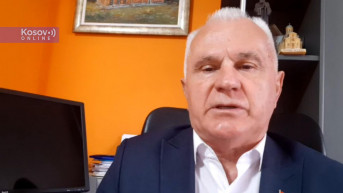
The decision of the Central Bank of Kosovo to abolish the dinar will also impact the work of the Committee for Aid to Kosovo and Metohija, which channels a significant portion of its funds through bank accounts, specifically via the Postal Savings Bank, which has branches in Kosovo. Milorad Arlov, the president of this humanitarian organization, says for Kosovo Online that he is concerned about the fate of over 60,000 Serbs who will be affected by Pristina's unilateral decision and he hopes that reason will prevail.
"This is just the beginning, and now we are thinking about the stance and position of that bank through which we built the daily center, through which we procured many things in Kosovo and Metohija, such as gift packages for Serbian children in Kosovo and Metohija, and everything else our committee has been doing for 16 years. I must tell you that in Republika Srpska, we have our mark, not the dinar. For us, the dinar is also foreign currency, and we deposit everything through our banks in the Postal Savings Bank in Serbia," Arlov said.
He emphasized that their work would likely be greatly impeded since the CBK's decision was new and they had not yet operated under this new system. However, he is more concerned about the situation of over 60,000 Serbs who receive monthly incomes.
"Pensions, salaries, education, healthcare, various scholarships, people working in local governments... How will they receive their salaries, and how will their existence in Kosovo and Metohija be jeopardized? I assess that this is a unilateral, somewhat accelerated decision by Pristina. I don't like the way they want to introduce it and eliminate the dinar in a repressive manner, infiltrating institutions without notice, requests, or giving deadlines for people to adapt to a new system. I see no reason why the dinar should not remain a means of payment as it has been in Kosovo and Metohija. Especially when there is a large number of dinar users who receive salaries and pensions and have their livelihood funded by the Republic of Serbia," the humanitarian worker emphasized.
He pointed out that his organization also faced other operational problems.
"I have been banned from entering Kosovo and Metohija for over three and a half years. This is an old problem I face, and I believe we will now have funding problems because everything we do there is through bank transfers. We have built a system, and that's how we have helped many families. We have given over 25,000 gift packages to children in Kosovo and Metohija. This is an unenviable situation for the Serbian people; it's not just what has been pressing Serbs in Kosovo in recent years. The problem is unilateral decisions without dialogue between Pristina and Belgrade," Arlov noted.
He also commented on the UN Security Council meeting dedicated to Kosovo.
"Serbia and President Vucic have made great efforts to acquaint the world with the problems of Serbs in Kosovo and Metohija, and that has been done, but personally, I expected more from the Security Council. I expected some official, binding decision, however, that did not happen. I am also sorry that the issue of the ban on entering Kosovo and Metohija was not raised, not only for me but for many other humanitarian workers and association presidents. However, I must also say that I am pleasantly surprised by Caroline Ziadeh's sincere report, which pointed out the consequences of the dinar ban, and I hereby ask her to raise the issue of freedom of movement for all of us who want to come to Kosovo and Metohija at some point," Arlov said.
He feels that Kosovo Prime Minister Albin Kurti's ideas are not motivated by democracy but rather by "pure revenge against Serbia."
"If he continues down that path, there will never be peace in Kosovo and Metohija unless that personal motive is overcome. He should not be the driving force behind something that not everyone in Kosovo accepts," Arlov warned.



0 comments