
Celic: Kurti will once again make an unconstitutional move in the selection of the Serbian deputy speaker of the Assembly
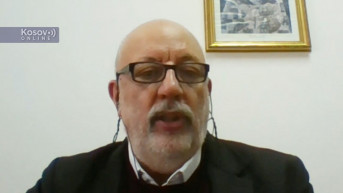
Assistant professor at the Faculty of Law of the University of Priština with temporary headquarters in Kosovska Mitrovica, Dusko Celic, believes that the leader of Self-Determination, Albin Kurti, will once again, during the constitution of the Assembly, propose for deputy speaker from the Serbian community someone who does not represent the Serbian people in the majority sense of the word and who lacks that kind of legitimacy.
Although the latest decision of the Constitutional Court stipulates that the deputy speaker from the Serbian community should be proposed by a majority of Serbian MPs, Celic says that Kurti will again make an unconstitutional move, as he has already established a practice of unconstitutional behavior.
“This is what we lawyers call the so-called factual constitution. By repeating unconstitutional behavior, he is trying to create a kind of, in quotation marks, new factuality, and I believe that, given that he has already established that kind of standard, he will not go below it this time either, even at the cost of the Constitutional Court at some later point once again overturning such a decision,” Celic told Kosovo Online.
He believes that Kurti will also not consult the Serb List when choosing a Serbian representative in the Government, despite the fact that it won nine out of ten guaranteed mandates for the Serbian community, nor will that party be allowed to propose its member for the Government.
“Kurti does not want any remnants that indicate the consociational nature of Kosovo society in the sense in which it was envisioned by the so-called Ahtisaari Plan, and some elements of that have remained in the so-called Constitution of Kosovo. Precisely in terms of proposing a member of the government, in terms of electing a deputy speaker of the Assembly, in terms of the idea that Kosovo society was conceived as a society of communities, that is, a consociational society in which communities, including the Serbian people, have protected rights and in which there are mechanisms that require mandatory representation and mandatory participation of legitimate representatives of the Serbian people in parliament and in the executive authority,” Celic says.
As he adds, at some point Kurti will say that there is a new de facto Constitution in which no protective mechanisms for Serbs are needed.
“And then, at a moment when he assesses that the international situation is favorable, he will probably launch a campaign to change the Constitution so as to formally eliminate those protective mechanisms that he has not respected for the past four years,” Celic assesses.

0 comments