
Elek: Serbian people live in a ghetto, while Kurti scores cheap political points on them
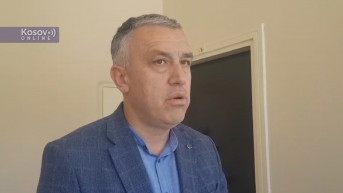
Zlatan Elek, President of the Serb List and Director of the Clinical Center of Kosovska Mitrovica, commented on recent events in Kosovo and attacks on Serbs and Serbian property, stating that the Serbian people in these areas live in a ghetto, enduring daily provocations and attacks from Pristina. He emphasizes that Kosovo Prime Minister Albin Kurti is using the north of Kosovo to score political points ahead of the parliamentary elections on February 9 and says that the Serbian people is especially concerned about the complete silence from the international community.
“The people who have stayed to live in Kosovo and Metohija, especially the Serbian people, are incredibly brave. There is certainly fear, and with good reason, because attacks on Serbs go entirely unpunished. This fear also stems from a lack of trust in Pristina’s institutions, as representatives of those very institutions, particularly members of the Kosovo Police Service and the Kosovo Security Force, are the ones perpetrating violence,” Elek said during an appearance on RTS’s morning news program.
Unfortunately, he adds, Serbs in Kosovo see no end to the violence.
Elek explains that Pristina authorities, especially in the north, are trying to capitalize politically ahead of the February elections.
At the same time, he notes that the Serbian people are deeply concerned about the international community’s complete lack of response.
“The only entity that reacts is our state Serbia, and President Aleksandar Vucic,” Elek observed.
Speaking about events in northern Kosovo on International Children’s Day, Elek said that several citizens of North Mitrovica responded to a student call for a public protest against violations of children’s rights, urging relevant international stakeholders to take action.
“Their seriousness is demonstrated by the fact that only one UNMIK representative showed up, despite invitations sent to Quint ambassadors and representatives of all relevant international organizations in Kosovo and Metohija,” Elek remarked.
He emphasizes that the Serbian people in Kosovo today live in a ghetto, deprived of even basic human rights.
Elek reminds that, on International Children’s Day, Kosovo Police and KSF personnel tore down posters displaying photos of children who were victims of violence.
Referring to the recent stoning of the home of Dragica Gasic on her patron saint’s day, he says her case is the best example of how Serbs in Kosovo live today.
“She is the only Serbian woman living in an urban area south of the Ibar River, and every day she experiences absolute torture, terror, and harassment. Albanians refuse to sell her bread, and NGOs tell her she should leave Djakovica and her apartment. All of this happens under the watch of the international community, which is supposed to guarantee peace, multiethnicity, and the rights of over 250,000 displaced Serbs,” Elek said.
He accused the international community of being complicit with Pristina in expelling Serbs, which discourages displaced Serbs from returning to their homes.
Regarding the work of the Clinical Center of Kosovska Mitrovica and healthcare in the region, Elek, as the institution’s director, says that thanks to the dedicated efforts of Serbia’s Ministry of Health and the Office for Kosovo and Metohija, a partial compromise was found to supply medicines. Despite constant pressure from Pristina authorities, the center continues to operate normally.
Commenting on a statement by Kosovo President Vjosa Osmani that Kosovo is ready to fulfill its obligations and establish the Community of Serb Municipalities in exchange for membership in international organizations, Elek describes this as a classic deception aimed at appeasing the US and other foreign actors.
“If they intended to form the CSM, they had more than enough time. It has been 11 years, and we are now entering the 12th year since the Community of Serb Municipalities was not formed. We believe it would solve certain problems for Serbs living both north and south of the Ibar. However, the authorities in Pristina, led by Albin Kurti, have explicitly stated they do not want to establish the CSM, and he certainly won’t do it now during his election campaign,” Elek concluded.
He emphasizes that the Serbian side does not have high expectations from the dialogue process or from Brussels’ assistance, given that Kurti is in the middle of his campaign and is unlikely to take any steps that might jeopardize his voter support.


0 comments