
Gerxhaliu: Far more reasons to be concerned than happy
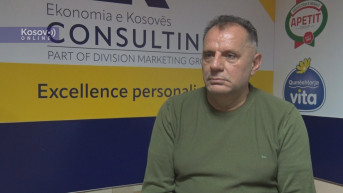
Former President of the Chamber of Commerce of Kosovo, Safet Gerxhaliu, states on the occasion of the 16th anniversary of Kosovo's declaration of independence that it is the realization of several generations' dreams, but the "gray tone" to this anniversary is Kosovo being under European Union sanctions and many citizens leaving Kosovo because they do not see a perspective.
"There are more reasons to be burdened by why we are where we are if you look at Kosovo today economically, politically, how integrated it is, socially, and what the perception of Kosovo is. The fact that we are under EU measures is a negative sign that perhaps casts a gray shade on the celebration of independence. If Kosovo's image isn't at a level to attract foreign investors, then there are far more reasons to be concerned than happy. Regardless, freedom is measured by freedom, but a completely different approach is needed for the future," Gerxhaliu says.
He emphasizes that dialogue has no alternative, as well as regional cooperation, not to mention relations with EU states.
"Especially when it comes to relations with the US, that must be sacred, but unfortunately, there are a lot of fluctuations. I hope people will become fed up with authority and start thinking about the state and the people, not just politics, position, and power," he says.
As he notes, in the last 10–15 years, the main topic has been dialogue and resolving issues between Serbs and Albanians.
"The fact that even after 23 years we have open issues is an open wound that must motivate politicians in Serbia, Kosovo, and the region to work far more on normalization and problem-solving rather than defending failed projects through the failure of dialogue. If you look at politicians and politics in the Balkans, I think we agree that the Balkans produce far more politics, more past than future. People need a future and a better perspective. After all, life doesn't have a second half. It's time for politicians to work more for the people because they have received power from the people. The people look at things in a completely different way, but in a way, whether acknowledged or not, the people have become hostages of politics in the Western Balkans," Gerxhaliu concludes.
0 comments