
Gogic: The ban on Serbian goods is an illegal measure that violates human rights
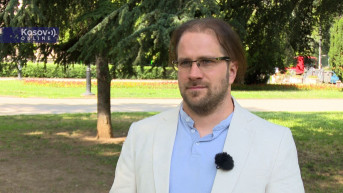
Political scientist Ognjen Gogic says that the ban on importing Serbian goods, which has been in effect for exactly one year, is a measure by the government in Pristina that is illegal and leads to human rights violations. He also finds it inexplicable why this issue has not received adequate attention from the international community during this time.
"The ban on importing Serbian goods is one in a series of unilateral, escalatory, and provocative measures that the government in Pristina has taken over the past few years. This measure is controversial for many reasons, primarily because it is illegal. It was implemented verbally and is being enforced based on that. It was not enacted as a legal act because such a document would likely be challenged in the Constitutional Court. Nevertheless, it is being applied even though it represents a violation of the rule of law in Kosovo," Gogic told Kosovo Online.
He emphasized that this measure also violates the CEFTA agreement and other trade agreements and principles of free trade.
"It infringes on a whole range of obligations that Kosovo has in relation to its partners. It is also contrary to efforts to promote regional economic cooperation, primarily through processes such as the Berlin Process or the promotion of a common market. Therefore, it is not possible to simultaneously move towards some form of unified market or deeper economic integration while having a situation where Kosovo bans the import of Serbian goods. This issue has neither appeared in reports nor was it cited as a reason for the previous imposition of sanctions on Kosovo, even though it is highly controversial," Gogic stated.
He says that the ban is also controversial because it has harmed the standard of living for the population, especially for Serbs who are accustomed to products from Serbia, and who now have to use substitutes. Sister companies from North Macedonia, he adds, have managed to somewhat compensate for the absence of goods from Serbia, but not completely.
"Lower quality goods, which the population was not accustomed to, have also arrived. This has affected the operations of business entities in Serbian areas, both commercial and hospitality, and has overall led to a further deterioration of economic conditions in Serbian communities. This measure also has a human rights component, which it violates. Despite all of this, it has not received adequate attention. It remains in force, even though it represents a flagrant violation of the rule of law. Even when Kosovo was in the process of joining the Council of Europe, the issue of the ban on Serbian goods was not raised, although it should have been a topic before the Council of Europe," Gogic concludes.



0 comments