
Joksimovic: The embassies in Pristina are mostly held by the biggest promoters of independence
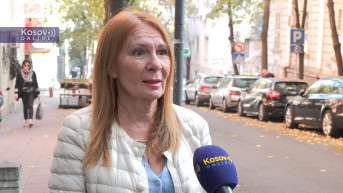
In Kosovo, the number of countries with open embassies is much smaller than the number of states that have recognized it. Former Serbian Ambassador to the United Kingdom and Director of the Center for Foreign Policy, Aleksandra Joksimovic, says that the existence of embassies primarily reflects the intensity of relations. She notes that the countries with diplomatic missions in Pristina are mainly those that are the strongest promoters of Kosovo’s independence, followed by regional recognizers.
"There are also non-recognizers, not only from the European Union; for example, Russia has its Liaison Office in Pristina. On the other hand, there are many EU countries that do not have a presence in Pristina. This could be due to economic reasons. The Baltic countries, for instance, do not open diplomatic missions everywhere in the world for financial reasons. So, there is an internal financial reason, and then the issue of the level of development of relations, particularly in the economic sphere. The economic component influences the decision on whether to open a representation or not," Joksimovic explains.
In this context, she gives the example of Ireland, which has not had an embassy in the region until now.
"Ireland has covered the entire region from several European countries, but it has now made the decision to open an embassy in Belgrade. This will be its first embassy in the region, driven by the desire and need to further develop its economy. These are some of the factors that influence such decisions, and, of course, politics is also a key element," explains the former ambassador to London.
She adds that the strength of a country also plays a role. The world's major powers have diplomatic missions everywhere, and then as you go "down the ladder," different countries decide based on various criteria whether or not to open a representation somewhere.
She points out that in diplomacy, there is often an explanation that the reorganization of the diplomatic service, which requires financial resources, could lead to the closure of certain offices, representations, or consulates. However, this is the most common justification, even when the decision is actually political.
Regarding Slovakia’s announcement that it will close its Liaison Office in Kosovo by the end of the year, officially explained as part of a reorganization of its diplomatic network, she believes that this could be a gesture by Slovakia to stop rumors and put an end to the speculation about whether it will be the next potential recognizer of Kosovo.
"Considering that for EU non-recognizing countries, there is always the question of whether one of them will 'give in' and recognize Kosovo, and Slovakia is often mentioned as one of the 'suspect' countries that could change its decision, it seems to me that this is a gesture by Slovakia to put an end to those suspicions due to the positive steps in bilateral relations between Serbia and Slovakia," Joksimovic explains.


0 comments