
Mazreku: The closure of Slovakia's Liaison Office is a consequence of political changes in that country
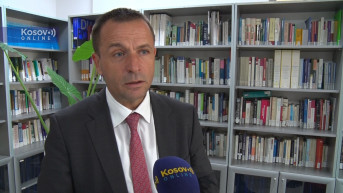
Professor of European Law Avni Mazreku states that, despite the claims coming from Slovakia, the real reason for the closure of that country's Liaison Office in Kosovo is not known. However, he notes that, generally speaking, every country determines the scope, possibility, and nature of its representation based on its strategic, economic, and political interests.
"For example, Greece does not recognize Kosovo's independence but does recognize Kosovo passports, has economic relations, and is a step ahead compared to other EU countries that do not recognize Kosovo. When it comes to Slovakia, there have been changes. We now have a pro-Russian government that does not support NATO and EU policies and is not in favor of transatlantic integration. In my opinion, the closure of their office is connected to the political changes that have taken place in Slovakia, as Prime Minister Fico has an openly pro-Russian and pro-Chinese orientation," Mazreku told Kosovo Online.
He adds that many countries do not have embassies, even though they recognize each other, and that diplomatic service depends on internal organization.
"For example, Kosovo has its embassy in Berlin, but also two consulates in Germany, which is justified because there is a large number of Kosovo citizens in Germany, close to 600,000. Therefore, consular services have been opened in Stuttgart and Frankfurt. Kosovo's interest is to cover this part of Germany with consular representation because many of our citizens live in these two cities. So, the reasons why countries open their diplomatic representations or liaison offices depend on the interests of each individual country," Mazreku concludes.


0 comments