
Milic on Von der Leyen's messages: Serbia is not expected to recognize Kosovo as a state
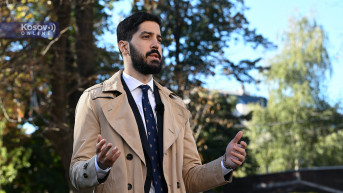
Political scientist Dimitrije Milic believes that the message from the President of the European Commission, Ursula von der Leyen, demanding de facto recognition of Kosovo from Serbia, has been taken too strictly and that it implies recognition in a sense that there is one entity in a technical sense, rather than Serbia recognizing Kosovo as an independent state or sending an ambassador to Kosovo.
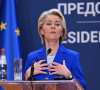
Milic assessed for Kosovo Online that the President of the European Commission had come with two clear messages, and the first message related to positive economic results, discussing the trade between Serbia and the EU in the last 15 years, investments, and ongoing projects like the interconnector to Bulgaria and the high-speed rail to Nis, partially funded by the EU.
"The second message concerned what was of great interest to the domestic public, namely the negotiations between Belgrade and Pristina and, ultimately, what the EU means by the so-called de facto recognition of Kosovo, which was somewhat unclear in the public sphere, we have now heard to some extent from the President of the European Commission. If we were to narrow it down to practical steps or the expectations the EU has for Serbia, we can mostly say that the formulation is stricter than the actual expectations. Essentially, the expectations revolve around recognizing the institutions and documents of the so-called Kosovo. So, in a sense, when we talk about de facto recognition, it sounds stricter than it actually is", Milic believes.
He explains that the demand put before Serbia does not imply that Serbia is expected to recognize Kosovo as a state.
"It does not imply that Serbia recognizes Kosovo as an independent state or sends an ambassador or anything similar to what you do when you have diplomatic relations with states you recognize. Instead, in practice, it essentially means recognizing the institutions, documents, and all other elements that result from the functioning of institutions in the territory of Kosovo. In that sense, de facto recognition means acknowledging, in practice, that this entity exists in a technical sense, but not in an open sense on the level of your state, which is what would be called de jure recognition," Milic emphasizes.
0 comments