
Sljuka: If there is a change of power in the USA, we can expect a more creative approach to the dialogue
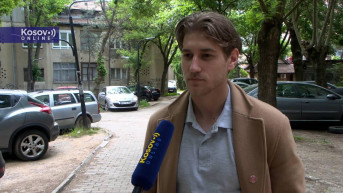
In order for a change in approach to the dialogue between Belgrade and Pristina to occur, fundamental changes would need to happen both on the global stage and domestically in Kosovo, states Aleksandar Sljuka from the NGO "New Social Initiative" for Kosovo Online.
He explains that by changes on the global scene, he primarily refers to possible changes in the U.S. administration after the November elections.
"During the previous administration led by Donald Trump, we saw that in 2018 there was an emphasis on the story of demarcation and territory exchange which ultimately was not realized, but attempts were made to resolve the situation with northern Kosovo, which was seen as the biggest obstacle to finalizing relations between Kosovo and Serbia. If the administration changes again, perhaps we can expect alternative solutions and more creative approaches, and these issues may be back on the table," Sljuka notes.
He highlights that the leaders in power in Kosovo have also changed since 2018. Back then, it was Hashim Thaci who was ready for such concessions, whereas now it is Albin Kurti, who does not want any changes in this respect.
"We see that there will probably be elections in Kosovo this year and if Kurti remains and has a majority, it will be very difficult to change the course of the dialogue. It is a major concession for him even to send the draft statute of the Community of Serb-majority Municipalities (CSM) for a constitutional review, even if the price is entering the Council of Europe, so I do not believe that his staying in power would change his opinion and that there could potentially be discussions about alternative models and more creative solutions," Sljuka says.
According to his assessment, the key to normalizing relations hinges on how the issue of the north is resolved.
"Serbia was open to potential demarcation and I do not rule out that this option might be reopened, especially if the stagnation in dialogue continues," he states.
Regarding the new strategy for dialogue announced by Borut Pahor, should he be elected as the new mediator, Sljuka says that a special representative does not have the capability to change the dynamics of the dialogue by themselves, regardless of who it might be, whether Lajčák or Pahor. Instead, it depends on developments in the international arena and the stance of interested parties such as the EU and the USA.
He observes that over the past few years, the dialogue has not seen a substantive path towards normalization but only "crisis management."
"The only issue currently under negotiation is the matter of the dinar, and about this single issue, we will have our seventh meeting. Questions—about the dinar, the mayors in northern Kosovo, the presence of police—are burdening the dialogue and preventing progress, as new issues always emerge. We are gradually sliding further away from normalization and only seeing a deepening of current crises. If a drastic solution is not desired, the damages from the previous period must be urgently addressed, otherwise, we will have a clear path towards an alternative solution because the situation could spiral out of control," believes Sljuka.


comments