
Sopjani: Serbia invests the most in the military, which forces regional countries to increase military investments
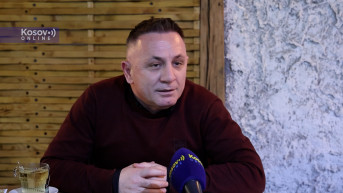
Lawyer and former chief inspector of the Kosovo Intelligence Agency (KIA), Shkelzen Sopjani, stated that Serbia invests the most in its military in the Western Balkans, which in turn forces other countries in the region to increase their military and security investments.
"Serbia is one of the countries in the region that invested the most in its military last year. This then pushes other countries, such as Croatia, Kosovo, or Albania, to increase their military and security investments as well. We know that Serbia has not yet abandoned its ambitions to expand its borders. All of its neighbors, especially those from the former Yugoslavia, are concerned about this. This will lead to increased defense costs for all other countries, including Albania," Sopjani stated for Kosovo Online.
Commenting on the latest research by the specialized military website Global Firepower, which ranked Serbia as the most powerful military force in the region while Kosovo was placed last, Sopjani said this ranking is not surprising.
"The latest military ranking is not surprising, knowing that Serbia has historically been one of the most powerful military forces in the region and has inherited many resources from the former Yugoslavia. However, this ranking should not be a cause for alarm," Sopjani said.
Regarding the position of the Kosovo Security Force (KSF) on this scale, he explained that it is due to the fact that KSF is the "youngest army in the region."
"Of course, they lack certain military capabilities. However, the KSF is focused solely on defense, and we know that defending is much easier than attacking, both in terms of necessary equipment and troop numbers. The ratio is generally ten to one. That is why I believe the KSF is on a very solid path to developing its full defensive capabilities," Sopjani explained.
He emphasized that Kosovo is successfully completing its ten-year plan, which envisions the transformation of the KSF into armed forces by 2028.
He is confident that this goal could be achieved even earlier.
"The ten-year framework plan is already well advanced, and I expect it to be fully realized even earlier than initially planned. Additionally, this plan will include significant investments in the KSF," Sopjani stressed.
He sees the Kosovo government's announcement about the possible construction of the first ammunition factory as a good move that would significantly reduce the costs of importing ammunition for the needs of the KSF, the Kosovo Police, and other security services.
"I don’t view this only from a defense perspective, which is certainly important, but also as a significant business opportunity. The KSF, Kosovo Police, and other security agencies use a lot of ammunition, which they currently purchase from other countries. So why not produce their own ammunition and save some money? However, it seems that this factory will only produce small, basic caliber ammunition," Sopjani explained.


0 comments