
Sopjani: The "Kosovo model" is difficult to apply to Ukraine
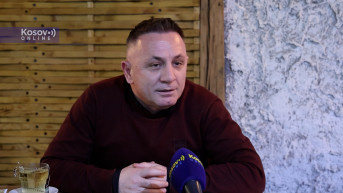
The "Kosovo model" for conflict resolution has yielded excellent results, but it is not feasible in the case of Ukraine, says lawyer and former chief inspector of the Kosovo Intelligence Agency (KIA), Shkelzen Sopjani.
"It would be very difficult to implement, especially considering that we are dealing with a global superpower like Russia. This is also reflected in the latest power index that was published, I believe, just a few days ago. Therefore, I am not sure that this approach would actually work," Sopjani told Kosovo Online.
As another reason, he points to historical differences between Kosovo and the territories under Russian control in Ukraine.
"There are many historical differences between Kosovo and the territories controlled by Russia. Kosovo had a relatively advanced status even in former Yugoslavia, with its own constitution, police, and governing bodies that had considerable independence. Furthermore, Kosovo was one of the founding members of Yugoslavia, along with seven other republics, and participated in electing the president. That is why I believe this model would not fit. There are no similarities between the two cases," Sopjani explained.
He emphasized that, looking at Kosovo in the 1990s and today, it is clear that the peace plan was successful.
"Those of us living in Kosovo see it as a successful plan, especially when comparing Kosovo in the 1990s to today. These are two entirely different realities. And that is obvious, particularly to older generations who remember the 1980s, 1990s, 2000s, 2010s, and now. Given Kosovo’s past and its institutional position within former Yugoslavia, it is undoubtedly a success. Even the International Court of Justice found no illegality in Kosovo’s Declaration of Independence. I believe that chapter is closed," Sopjani stated.
0 comments