
Ulutas: We will increase KFOR presence in some areas, including North Mitrovica and northern Kosovo
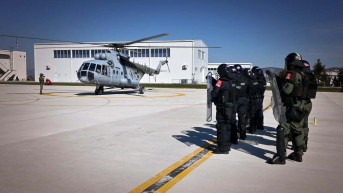
KFOR is currently carrying out a process of optimizing its deployment and presence, which was announced on June 12, 2026. The aim is to ensure that the Mission remains fit for purpose. The optimization process is being conducted in a transparent, consistent, calibrated, and gradual manner, KFOR said in a statement. Commander of the NATO-led Mission in Kosovo Major General Ozkan Ulutas said that KFOR's presence would be increased in some areas, including, but not limited to, North Mitrovica and northern Kosovo.
The statement further noted that KFOR was currently undergoing a process of optimizing its posture, as announced on June 12, 2026.
"This is to ensure that our mission remains fit for purpose. The optimization process is being conducted in a transparent, consistent, calibrated, and gradual manner. The optimization is closely coordinated with institutions in Kosovo, international organizations such as the EU, as well as the Kosovo Police and the EU Rule of Law Mission in Kosovo. KFOR regularly engages all relevant stakeholders throughout the process, including local counterparts as well as the Serbian Armed Forces. The process can be reversed if relevant developments that could affect lasting security in Kosovo and regional stability so require," the KFOR statement said.
Commander of the NATO-led Mission in Kosovo Major General Ozkan Ulutas said that KFOR's commitment to the security of all people living in Kosovo was unwavering.
"This is demonstrated by the continued and visible presence of our personnel on the ground, including regular patrols, observation posts, and engagement with local communities. As always, our daily activities will be conducted taking into account the needs and concerns of all communities," Ulutas said, adding that KFOR's presence would be increased in some areas, including, but not limited to, North Mitrovica and northern Kosovo.
The statement further said that KFOR would continue to regularly assess the situation on the ground and maintain a posture designed to contribute to lasting security for all people living in Kosovo. In this context, the gradual transition of KFOR's permanent deployment on the Ibar Bridge was part of the broader optimization process and reflected the improved security situation.
Commander of NATO's Allied Joint Force Command Naples Admiral George Wikoff said that "decisions regarding KFOR's presence on the bridge in Mitrovica are based on its assessment of the security situation," adding:
"KFOR does not have a mandate to decide whether the bridge should be opened or not. It is for the EU and the relevant institutions in Kosovo to decide once KFOR ends its permanent presence on the bridge. KFOR personnel will remain present in the surrounding areas," Admiral Wikoff said.
The NATO-led Mission in Kosovo further stated:
"Law enforcement is not part of KFOR's mandate. However, KFOR continues to work closely with security organizations in Kosovo, including the Kosovo Police, in accordance with the highest operational standards and the principle of fair and equal treatment of all communities. The Kosovo Police is the lawful local law enforcement institution whose institutional origins stem from the policing framework established under UNMIK authority, in accordance with UN Security Council Resolution 1244. Its capabilities and responsibilities have evolved within that framework, and today it serves as the first security responder for civilian law enforcement and public safety. This role predates KFOR's current optimization process, which does not constitute a transfer of KFOR's mandate or responsibilities to the Kosovo Police. KFOR retains its distinct security mandate under UN Security Council Resolution 1244 of 1999 and will continue to carry out this long-standing mandate fully and impartially," the statement concluded.
It added that KFOR continued to fulfill its mandate, based on UN Security Council Resolution 1244 of 1999, by contributing to a safe and secure environment for all people living in Kosovo and to freedom of movement, at all times and impartially, in close coordination with the Kosovo Police and the EU Rule of Law Mission in Kosovo (EULEX), in their respective roles as security actors.
0 comments