
Raketic: Serbia follows European trends, more and more addicts on stimulant substances
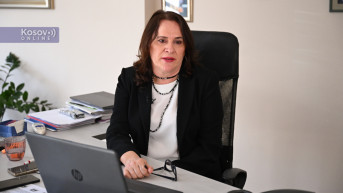
The Director of the Special Hospital for Addiction Diseases in Belgrade, Diana Raketic, told Kosovo Online that the Western Balkans region follows European trends in the rising number of addicts, particularly those dependent on stimulants. In Serbia, the number of patients is increasing by 10 to 20 percent, with more people seeking help for cocaine and amphetamine addiction, she warned.
"The European Monitoring Center, which tracks drug trends in the European market, reports that the number of drug-dependent patients is rising every year despite numerous prevention programs. Simply put, these reports indicate that the European market offers a wide spectrum of drugs. In our country, we are also seeing an increase, though not a drastic one. The number of patients is generally growing by 10 to 20 percent. Now, this increase is more related to patients struggling with behavioral addictions, such as gambling and betting, and there is also a growing demand for help in overcoming cocaine and amphetamine addiction," Raketic emphasized.
This hospital was the only one in former Yugoslavia dedicated to treating addiction, but now all countries in the region have specialized centers. Raketic stated that cooperation with these institutions is strong since they all face similar challenges.
"Whenever we organize seminars, conferences, or symposiums, we always invite experts from the region who specialize in addiction diseases. Likewise, we are frequently invited to speak and share our experiences and challenges with them. The problems we face are largely the same," Raketic said.
She explained that, unlike previous years when the hospital primarily treated heroin addicts, the situation has changed significantly.
"Patients who used to come to our institution primarily struggled with heroin addiction. However, the situation is now very different. Opioid addiction is stagnating, and we are even seeing a decline in the number of opioid addicts in our country, which aligns with trends across Europe. European trends are clearly reflected in Serbia. However, we are seeing an increase in other forms of substance abuse and addiction. We now more frequently encounter issues with stimulant abuse and dependency, particularly cocaine and amphetamines. There is also a common pattern of alcohol addiction combined with cocaine use. Sometimes, we see patients addicted to a mix of substances, including opioids, cocaine, and even gambling. Alcohol is almost always involved," Raketic pointed out.
She also noted a significant increase in the number of patients consuming cannabinoids, particularly marijuana.
"The concentration of THC in marijuana today is much higher. There are also synthetic cannabinoids, which cause very different clinical effects. We frequently see cases of temporary psychotic episodes in patients due to these substances," Raketic explained.
She emphasized a trend affecting not just the region but all of Europe – drug dealers on the streets have largely been replaced by social media and the dark web.
"As in other countries, traditional street dealers are disappearing. Most substances are now obtained through social media, the dark web, and even platforms like Facebook and Instagram. This trend in Europe is happening in our country as well," the expert noted.
The Special Hospital for Addiction Diseases treats patients aged 16 and older, but Raketic warned that most addicts are in their most productive years of life, often family-oriented individuals with stable jobs.
"The average age of our patients ranges from 25 to 45. These are the most productive years of life, and we need to recognize that. Most of our patients have completed their education, the majority have families and children, and many are employed with stable jobs. The majority of patients are in their prime working years. That is why we constantly encourage people to seek professional help without delay – because when one family member suffers from addiction, at least four to five people in their immediate environment are also affected and may develop mental health issues," Raketic emphasized.


0 comments