
In vino veritas: Whose is Velika Hoca wine
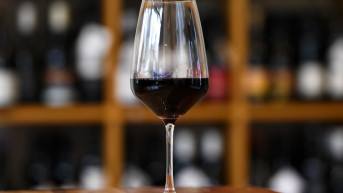
Velika Hoca is one of the most important places to visit for wine and history geeks in the Balkans.
An ancient village perched on the rolling hills of the Metohija (in Serbian), or Rrafshi i Dukagjinit (in Albanian), it is famous for its millennia-long tradition of making excellent red wine. Indeed, both the Serbian and Albanian name for the fertile and almost Mediterranean-looking region surrounding it connote an age-old distinction.
The Serbian name focuses on the fact that many of the villages and vineyards in the region were property of major monasteries founded by medieval Serbian kings. It was these Metohija hills that brought wine (and income) not only to the monks of the nearby Decani, but also to Hilandar on Mount Athos, to which Velka Hoca „belonged“ since the 12th century. This connection with the church can be seen in the many medieval Orthodox churches scattered around the village, which managed to survive various plunders to this day.
The Albanian name, on the other hand, calls into memory the Dukagjini noble family, who got their name from their patriarch 13th century Duke Gjin (John). The family, in its riveting and complicated history which took them to Istria and Egypt, undoubtedly served the wine from the lands around Velika Hoca during their feasts.
The wine makers of Velika Hoca, have thus been around for centuries, across various states and rulers who claimed their lands. Those formal claims upon the vineyards of Velika Hoca were never as real as the fact that without the skill, knowledge, and tradition of the local wine makers, there would be no strong Hoca red wine, no vineyards, and ultimately no purpose for this beautiful place.
Who Velika Hoca really belongs to is apparent to any visitor venturing to this wondrous place. If you are hosted by one of the wine making families, and sit in their picturesque shaded patios to listen to how they perfected their trade for generations and how proud they are of their medieval past, you realise how deep their roots are. These families and their wine have out-lasted not only presidents and prime ministers, viziers, dukes, and kings, but entire empires.
One sunny afternoon, three years ago, around the time of the wine harvest, I was very lucky to have been able to hear Petrovic family, one of the most prominent in Velika Hoca, tell me their story. This cold December evening, during Advent season when a lot of wine is drunk to keep us warm, Pristina authorities have sicked their customs officials and special forces to take Petrovics’ wine.
This would be fine if Pristina authorities’ dogged pursuit for the “rule of law“ extended to, say, finding out and punshing those who vandalised a church in the middle of Pristina, protecting minorities from constant attacks, or indeed Albanian women and even infants from their harassers.
Sadly, even on that September afternoon when Petrovic’s were telling me about their wine, there was a palpable sense that people tried and might try again to uproot their millennia long tradition. This was evident not only in the blown up churches and monasteries I passed on the way to Velika Hoca but in the unwillingness of Priština authorities’ to abide by their own professed goals of creating a multicultural society. If indeed, there is a constant in Pristina politics since 1999, across all the various factions and parties that claimed power, it is stubborn insistence to disrespect own promises and laws which serve to keep various communities and their property safe from arbitrary harassment. This is most famously illustrated by refusal to respect the property of Decani monastery, despite years of protestations from various actors, but is also apparent in their attempts to brutalise wine makers from Hoca.
This vile attack on the wine-makers is sadly unsurprising, as it is ultimately futile.
Petrovic winery’s motto is the oft used “In vino veritas”: in wine, there is truth.
The shallow, yet correct, understanding of this motto in the current circumstances is that those drunk on delusions of power are showing their true face: that they are petty tyrants who would happily uproot centuries-long heritage and those who preserve it for small gains.
Another interpretation, however, is that the “truest”, realest, thing about Velika Hoca and those living in it is the wine. The wine Petrovics’ are producing is “truer“ than many states, which came into being and perished at the stroke of a pen, and like any quality wine, with generations, it is only set to become better and stronger. One can hope that, soon, this wine will once again serve to bring everybody who lives in this beautiful region around the same table, cheering for the common, happy future.
Written by: Srdjan Garcevic, founder of TheNutshellTimes.com



0 comments