
What did Ambassador Christopher Hill say: Is the US changing its approach to bombing Serbia?
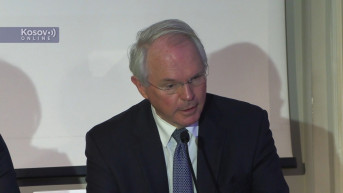
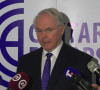
When he landed at the Belgrade airport about a year ago, the first words of American Ambassador Christopher Hill were that he had to learn a lot and listen carefully in order to understand what was happening in Serbia today. On the anniversary of the beginning of the NATO aggression a few days ago, Hill connected the bombing of FR Yugoslavia with the failure of diplomacy and expressed his sincere condolences to the families of the victims. And while in Pristina this is interpreted as Hill's "betrayal", Kosovo Online's interlocutors believe that it is too early for Belgrade to read the ambassador's words as an announcement of a change in the US approach to bombing and policy towards Serbia.
What did Ambassador Hill actually say?
On Friday, March 24, the anniversary of the bombing, the American ambassador said that he "dedicated his life to diplomacy - finding diplomatic solutions to seemingly intractable problems" and that "during his career, he learned that diplomacy sometimes fails, and when it does, the results can be tragic".
"I express my personal condolences to the families of those who lost their lives during the wars of the 90s, including as a result of the NATO air campaign. I know that the Serbs will never forget that terrible time, nor should they. The people of Serbia cannot suppress their pain, but I believe it has enough strength to suppress their indignation. The US commitment to our partnership with Serbia is unwavering, as is our commitment to democracy. Together we can build a better future, which the Serbs deserve and want for future generations," Hill said.
These messages were greeted with surprise both in Belgrade and Pristina, of course from two different angles.
A positive surprise followed in Belgrade because such statements were not expected from someone who came to Serbia as a representative of the "bulldozer diplomacy" of the US, who as Washington's Special Envoy had one of the key roles in the negotiations over Kosovo in 1998 and in the months immediately before the bombing in 1999.
On the other hand, in Pristina, they are protesting violently. Donjeta Miftari, the adviser to Kosovo President Vjosa Osmani, even accused Hill of "trying to rewrite history in order to bring Serbia back on the right path." Miftari said that the NATO intervention had not been the result of a "failure of diplomacy", but said that the bombing had been "a reaction to the actions of the then Serbian authorities in Kosovo".
The former ambassador of the FRY and Serbia in Washington, Ivan Vujacic, tells Kosovo Online that he cannot guess what Hill personally feels about the bombing, whether this statement of his may be an expression of some kind of remorse for everything that happened, but he believes that the American diplomat's statement does not indicate a radical a turn and change in US policy, not only towards one of the most painful issues in the relations between the two countries - the bombing but towards Serbia in general.
"I see Hill's statement as a human gesture, he is sorry that it happened, with the message that we should look to the future. This is more or less what American and Western diplomats have been saying in recent years, even if they have some personal regrets, it will certainly not be demonstrated in the form of an official statement. The reason for Hill's announcement was the anniversary of the bombing, and I think that he tried to pacify, as much as he could, the resentment against America by expressing a general regret that it happened," Vujacic says.
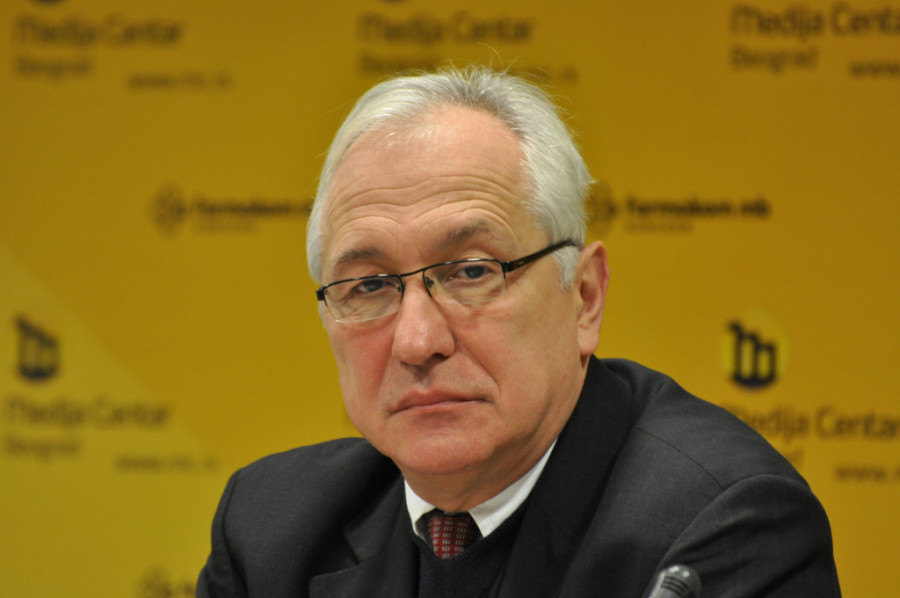
Vujacic sees Hill's statements as a message that we should look to the future.
"Hill is not an uninformed man; he knows very well how the people of Serbia feel. I think he wanted to turn the matter towards the future, just as he wanted to express some of his empathy with a human approach, with a statement of regret regarding what the Serbs went through," Vujacic says.
Our interlocutor reminds us that Hill is not the only US diplomat who expressed his condolences to the families of the victims of the NATO bombing, and even after that, says Vujacic, there was no radical change in American policy towards Serbia.
Thus, for example, in 2018, the US Ambassador, Kyle Scott expressed his condolences to the families of those who died in the wars of the 90s, including those who died in airstrikes by NATO forces in 1999. Admittedly, he did this not on the anniversary of the bombing, but on the occasion of commemorating 100 years since the end of the First World War. He then said that "the US views that period as a momentary deviation from the long-standing path of alliance and friendship between our countries".
Regarding the reactions from Pristina, where Ambassador Hill's statement on the anniversary of the bombing was received negatively, Ivan Vujacic says he is not surprised.
"It is still a painful topic for both the Serbs and Albanians, and there will always be positive and negative reactions from both sides, no matter what diplomats say," Vujacic says.
The former Yugoslav head of diplomacy, Zivadin Jovanovic, who was in this position during Hill's active role in the negotiations regarding Kosovo, tells Kosovo Online that then, as now, the US had the main say regarding Kosovo and that the EU only gives the form of the dialogue.
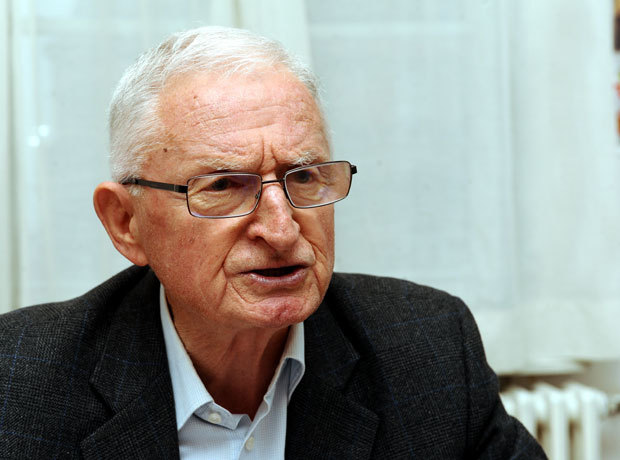
"What Hill said on the anniversary of the bombing certainly has significance, but it is insufficiently determined to be interpreted as a change in American policy. This may be a change in some of Washington's tactics towards Belgrade, but it would be extremely risky for Serbia to draw any more lasting conclusions from that. Hill's statement, for example, is far from an apology for the bombing. Such a thing, in my opinion, would be a surprise. This is how it can be said that Hillll used diplomatic wording that seeks to reflect some truth, and facts, however, it is far from a basis to conclude that there are any changes or turns in American policy. Such a conclusion needs more time and patience, and it can only be evaluated based on the further moves of the US towards the issue of Kosovo and Republika Srpska and other life issues of Serbia and the Serbs in the Balkans," Jovanovic says.
He says that he had the opportunity to meet Hill personally during the negotiations on Kosovo and Metohija in the 1990s because they attended many meetings together.
"Hill is a top diplomatic professional, who conscientiously executes and implements the US strategy when it comes to the relationship towards Serbia, but also the Balkans. He was the ambassador to Albania, and North Macedonia. He was a close associate of Richard Holbrooke, the personal envoy of the then US President Bill Clinton. Later, Hill was given the role of being the de facto leader of the negotiating “three” at Rambouillet, which also included Russian ambassadors Boris Mayorski and Wolfgang Petritsch on behalf of the EU. Hill's position at that time was determined by the strategy of the US and NATO, namely the establishment of their dominance in the Balkans and expansion towards Russia. Hill has repeatedly said publicly that the goal of the US was the deployment of NATO troops in the Balkans and that this was one of the goals of aggression in 1999," Jovanovic says.
He particularly points to the part of Hill's statement in which the American ambassador mentions the failure of diplomacy.
"Hill is right when he says that it was a failure of diplomacy. But he is vague and does not say whose diplomacy. He does not say openly that it is a failure of Western and American diplomacy. We should, I repeat, let time show if there are any positive developments in American policy towards Serbia. This is a good thing that Hill said, but many before him said the same," Jovanovic says.
Pristina-based analyst Gazmir Raci tells Kosovo Online that Hill's statement is surprising, but he does not see a change in the US attitude towards the bombing.
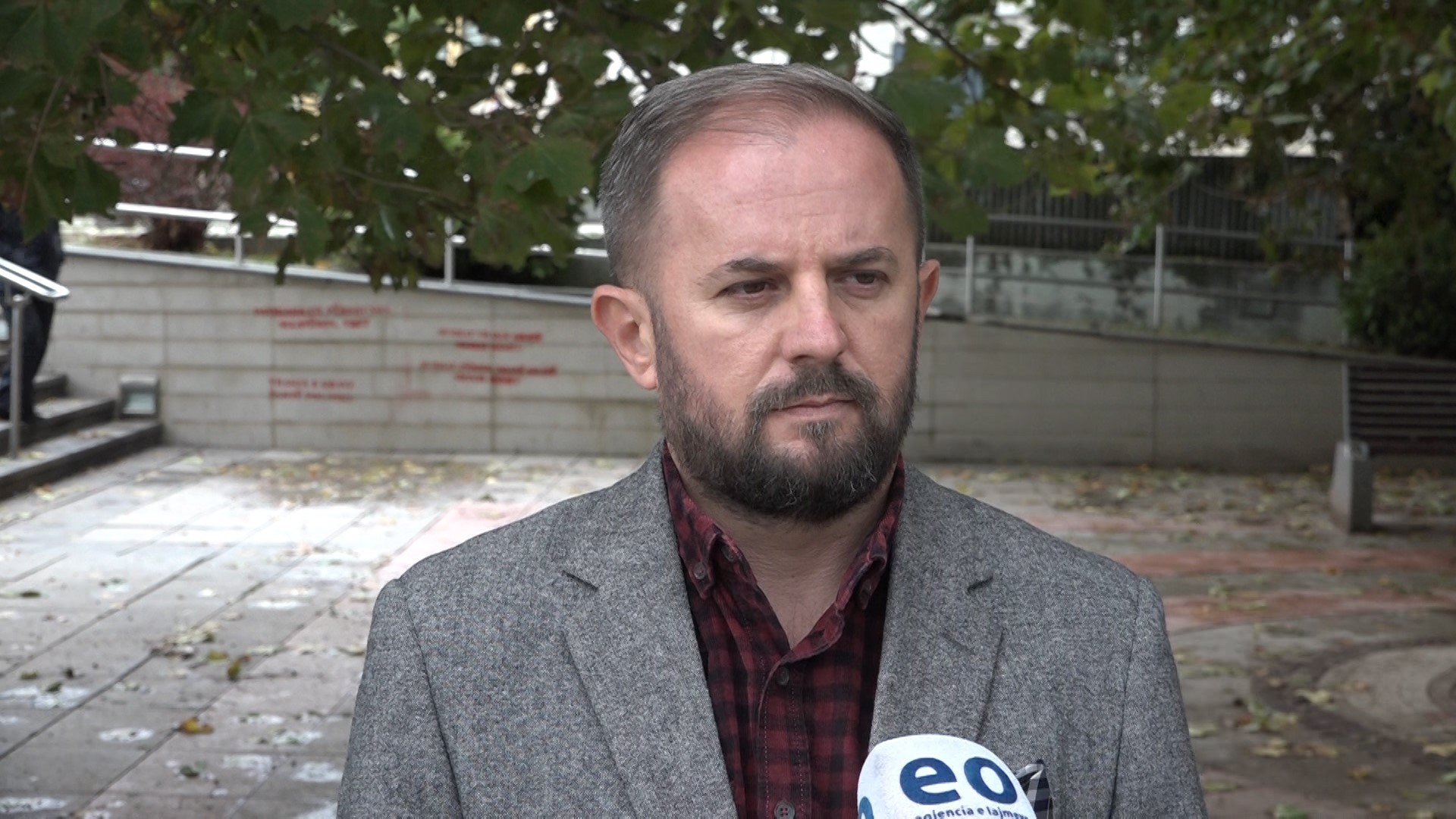
"Given that Hill is the ambassador to Serbia; I assume that with this statement he wanted to reduce tensions a little. Hill's statement is surprising; the question arises as to why it was given at this particular moment. But, I think that the message was intended to further open up chances for peace and stability, especially after the recent agreements in Ohrid on the normalization of relations between Serbia and Kosovo," Raci says.


0 comments