
Kurti returned from Athens "empty-handed"; extreme politics without support

Kosovar Prime Minister, Albin Kurti, from last night's meeting of regional leaders and European officials in Athens, returned without anything to brag to his followers and sympathizers in Kosovo, according to the interlocutors of Kosovo Online.
The joint position of the President of Ukraine, Volodymyr Zelenskyy, and the President of Serbia, Aleksandar Vucic, on mutual support for the territorial integrity and inviolability of state borders according to UN principles, clearly shows that Kyiv is not considering the recognition of Kosovo, which Pristina has been hoping for for some time.
Also, the absence of Kosovo symbols at the meeting, as well as during the meeting between Kurti and Greek Prime Minister Kyriakos Mitsotakis, sends the same signals when it comes to Athens' attitude towards Kosovo.
Analyst of the Center for Social Stability Srdjan Graovac tells Kosovo Online that it "caught his eye" that Greece consistently followed the rules when it comes to addressing representatives of the authorities in Pristina, which, he says, was often not the practice in Brussels either.
"The host's behavior towards Kurti was with due respect, but as towards someone who is at the head of temporary institutions in Pristina, and not at the head of an independent state, that is a fact. When we take that into account, as well as the attitude of Mitsotakis that was conveyed to us by President Vucic, then the confirmation that Greece will not change its position on Kosovo is completely clear. On the other hand, what we were most afraid of was Zelenskyy's position. Zelenskyy made it clear in his statement after the meeting with Vucic that he was not thinking in the direction of recognition of Kosovo and that he would not go that way. When all this is taken into account, it is clear that Kurti is someone who can return from Greece disappointed, because I think he at least expected to get support, if not from Athens, then at least from Ukraine, or at least he hoped for that," Graovac tells us.
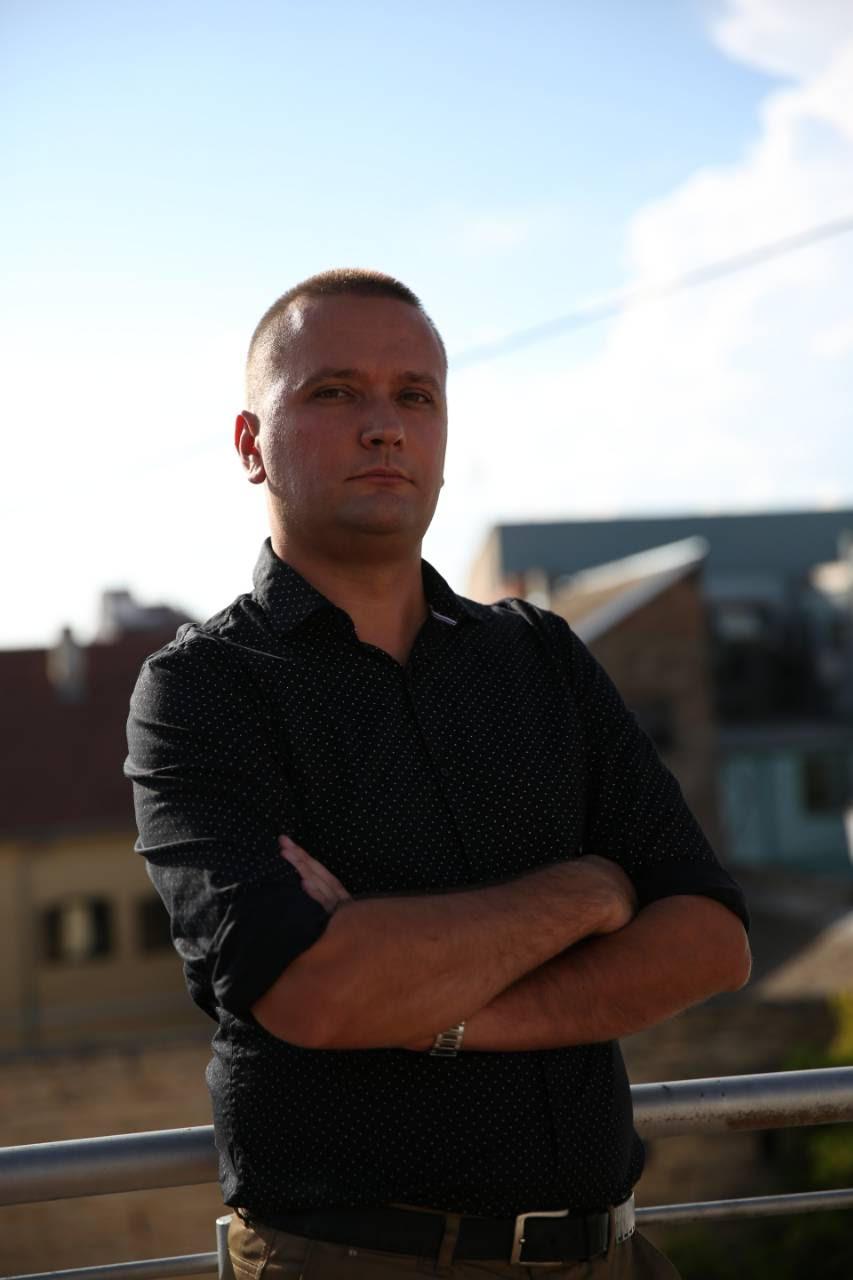
He notes that the confirmation of Greece's position regarding the non-recognition of Kosovo is very important because that country is considered the weakest link among the five EU members that have not recognized Kosovo. Because of this, he says, Serbia has reasons to be satisfied, as well as because the Ukrainian President did not confirm the views of parliamentarians in Ukraine who advocated the idea of recognizing "Kosovo's independence".
"It was also avoided that Serbia is classified as someone who supports sanctions against Russia. When all this is taken into account, the epilogue of the meeting is more than good from Belgrade's perspective," Graovac believes.
Retired diplomat Milovan Bozinovic also assesses for Kosovo Online that Kosovo Prime Minister Albin Kurti was left empty-handed in Athens, because, as he points out, no one specifically dealt with "his separatism" and approved of it. The issue of recognition of Kosovo, he says, was completely "extreme" at this meeting.
Bozinovic estimates that the conversation between Vucic and Zelenskyy is a big deal for Serbia, given that the Serbian side extracted many more positive elements than expected.
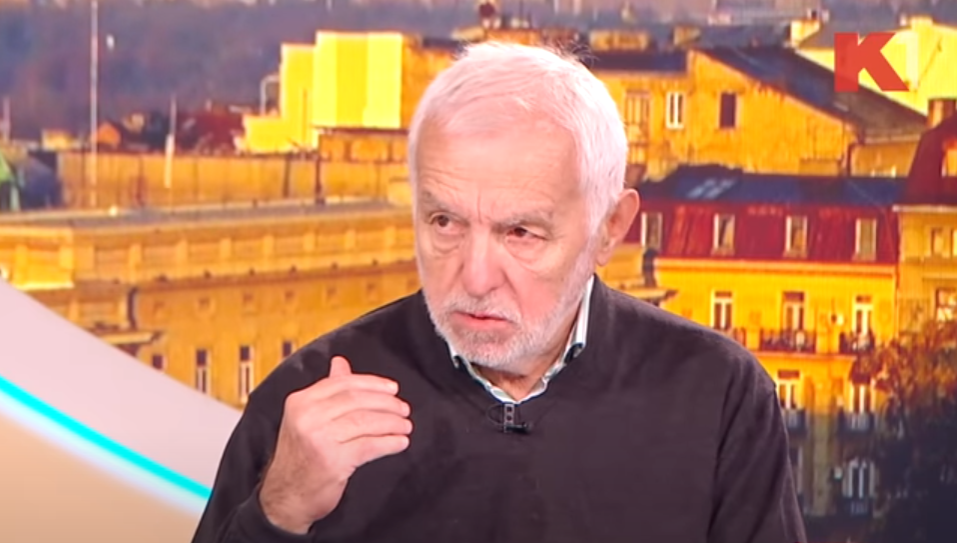
"The war in Ukraine is the central world political event at the moment, therefore a conversation with someone like President Zelenskyy is a big deal and if he says that they demand territorial integrity, then it has far-reaching consequences. Therefore, our side got out of that meeting significantly more positive elements than perhaps anyone expected," Bozinovic says.
He emphasizes that Kurti cannot refer to anything that goes to his advantage, especially because "now their separatism has spread and taken extreme forms."
"The fact that he was in North Macedonia and what he did and said there was a political scandal in Europe that no one welcomed and everyone understood its essence, and I don't see that anyone approves of it at this moment. Maybe tacitly, but that's another topic, what is manifest in this matter is that the meeting in Athens confirmed that the borders are inviolable and that they cannot be changed just like that," he said.
He also believes that it is in Serbia's favor that the Greeks did not highlight the symbols of Kosovo during the meetings of the delegations. According to his words, with that action the Greeks showed that they respect the international legal situation - there is no "Kosovo state" equal to any other state that was invited to Athens.
As another plus for Serbia, Bozinovic sees the fact that the meeting discussed the introduction of sanctions against Russia, but that this was not included in the joint declaration.
"It is proof that it is important for the European Union to have a dialogue with Serbia and for it to understand what some political, and I would say some psychological, limits of Serbian politics are. There is something that is not working in Serbian politics, and that is the introduction of sanctions against Russia and they gave up on that, which is all in all a gain for us, and another thing is how all this will develop in the near or distant future, but at this meeting, many sensibilities of Serbia were taken into account," Bozinovic concluded.
He added that nothing unfavorable for Serbia had happened at the meeting in Athens and that its position had not been denied in any respect.
"Serbia won rather than lost with the meeting in Athens," Bozinovic says.
The reason for the meeting in Athens was the 20th anniversary of the EU-Western Balkans Summit in Thessaloniki, where the Declaration was adopted, which for the first time unequivocally confirms the European perspective for all Western Balkan countries. At last night's informal dinner, in addition to the Presidents of Serbia and Ukraine and the Prime Minister of Kosovo, there were also the President of Moldova, the President of Montenegro, the President of the Council of Ministers of Bosnia and Herzegovina, the Prime Ministers of North Macedonia, Romania, Bulgaria, and Croatia, as well as the Presidents of the European Council and the European Commission.
There was no Albanian representative at the meeting, although Mitsotakis invited the country's president, Bajram Begaj, to participate. Begaj "justified" his absence by the previously planned obligations, but those familiar with the situation interpret that the absence of the representatives of Tirana from the meeting in Athens is actually the culmination of the crisis in relations between the two countries, which has been ongoing since May of this year and the arrest of the representative of the Greek minority, the Mayor of Himara, on the eve of the local elections in Albania and because of accusations of buying votes.
0 comments