
Less: Division of Kosovo remains an option; Ravasi: The Pentagon was considering it
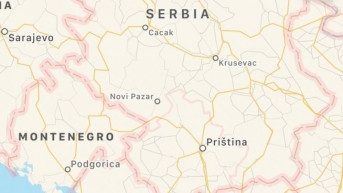
The division of Kosovo as a long-term solution to the relations between Belgrade and Pristina remained current despite the resistance, especially those from Pristina and Berlin on the subject. Professors Timothy Less and Olga Ravasi for Kosovo Online presented their reasons why they thought it was still an option that was "in play".
Professor Timothy Less, an associate at the Center for Geopolitics at the University of Cambridge, tells Kosovo Online that in the long term, the division remains an option when it comes to Kosovo.
"In the short term, I don't think that division is realistic. The Biden administration does not support it, and diplomats on the ground do not propose it. Moreover, it seems that Serbia at this time is ready to continue with the solution to the Kosovo problem that offers autonomy for the Serbs within the existing borders of Kosovo. As long as these factors are correct, Kosovo will not be divided. However, in the long term, the division remains an option, based on two preconditions. One is the failure of the current EU-led initiative, which is certainly possible - perhaps even likely. Precedent from other disputes around the world suggests that failures in peace talks are often accompanied by rising tensions between the participants. In the case of Kosovo, it is not difficult to imagine a scenario in which negotiations fail, Pristina pushes its claims north, and the Serbs respond by barricading the border and declaring permanent separation. The second prerequisite is the election of a Republican president to the White House – or Donald Trump or a figure who thinks like Donald Trump – who is not averse to the idea of division as a solution to the Kosovo dispute if that is in line with the reality on the ground," Less says.
Timothy Less says that in the case of autonomy for the Serbs, he does not believe that "special units of the Kosovo police would be prohibited from coming to the north of Kosovo and that this is also one of the reasons for the division".
"I think this is unlikely. I can't think of any case where the central government is formally prohibited from deploying its army and police to all parts of a country's territory, which is a key element of national sovereignty. Even in Bosnia, which is highly decentralized, the central government can send SIPA members to Republika Srpska, however much the Serbs may object. To avoid this, Kosovo would have to be divided, but, as I said, that was not an immediate prospect, at least in the short term," Less says.
Professor Olga Ravasi, president of the Serbian-American Voting Alliance (SAVA) reveals for Kosovo Online that "individuals from the Pentagon, as early as 1999, believed that the issue of Kosovo must be resolved by division."
"There were those in the Pentagon who were convinced that the division of Kosovo was the solution that would bring peace to the Balkans, and among them, there were many high-ranking members of the American military, as well as distinguished diplomats," Ravasi says.



0 comments