
Police "interventions" and frequent arrests of Serbs in the north – pogrom continuation by other means
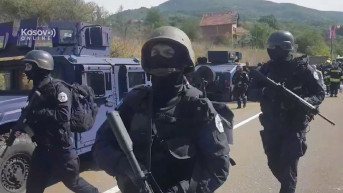
The frequent armed actions of the Kosovo Police and ROSU Special Units in the north, attacks, and the increasing number of unfounded arrests have caused noticeable unrest among the Serbian population in the last few months. No one knows on what basis one can end up in a Kosovo prison. Many people are already there in detentions that last too long, so people interpret it all as a continuation of the pogrom by other means because it is difficult to plan for the future in Kosovo under the current pressure.
The interlocutors of Kosovo Online assess that the frequent arrests are undoubtedly intended to incite unrest among the Serbs living in Kosovo.
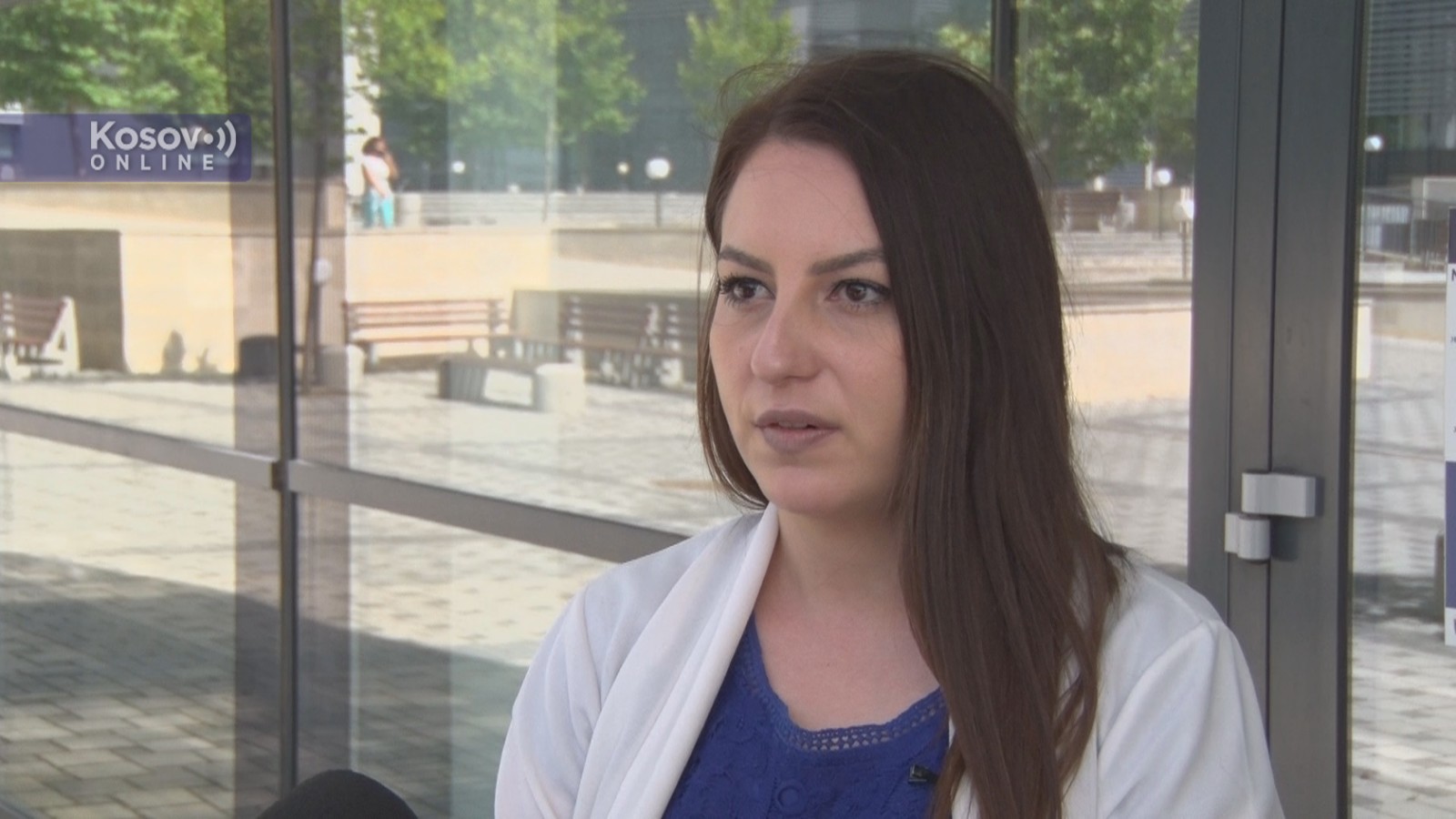
Lawyer Jovana Filipovic, who represents Dusko Arsic, who was arrested in Jarinje in December 2021 for an alleged war crime from 1999, tells Kosovo Online that the arrests of Serbs increase the already existing pressure on citizens.
"It is true that the pogrom continues with this kind of treatment. The case of Dusko Arsic shows us that even a person who was not mobilized during the conflict in 1999 can be accused of war crimes. Also, someone does not have to be accused specifically of a war crime; it can be about anything else, even a technical error, as in the recent case in the North. Due to the creation of the legal possibility of trials in absentia, even greater uncertainty will be created, which will affect people's decisions to think about leaving," Filipovic says.
The arrest of Miljan Jovanovic, a former member of the Kosovo Police, on March 28 in Jarinje, demonstrates that it is unimportant whether there is a valid reason for the Kosovo Police to deprive a Serb of his freedom. After spending the night in the police station, he was released in the morning with the explanation that he was detained due to a "technical error."
The verdict in the case of Ivan Todosijevic, the former Minister of Administration and Local Self-Government, for his statement about Racak shows that freedom of speech among Serbs is also declared an undesirable right. Because of his view of the Racak case, Todosijevic was sentenced to one year in prison "for inciting hatred, national, racial, religious, or ethnic division or intolerance."
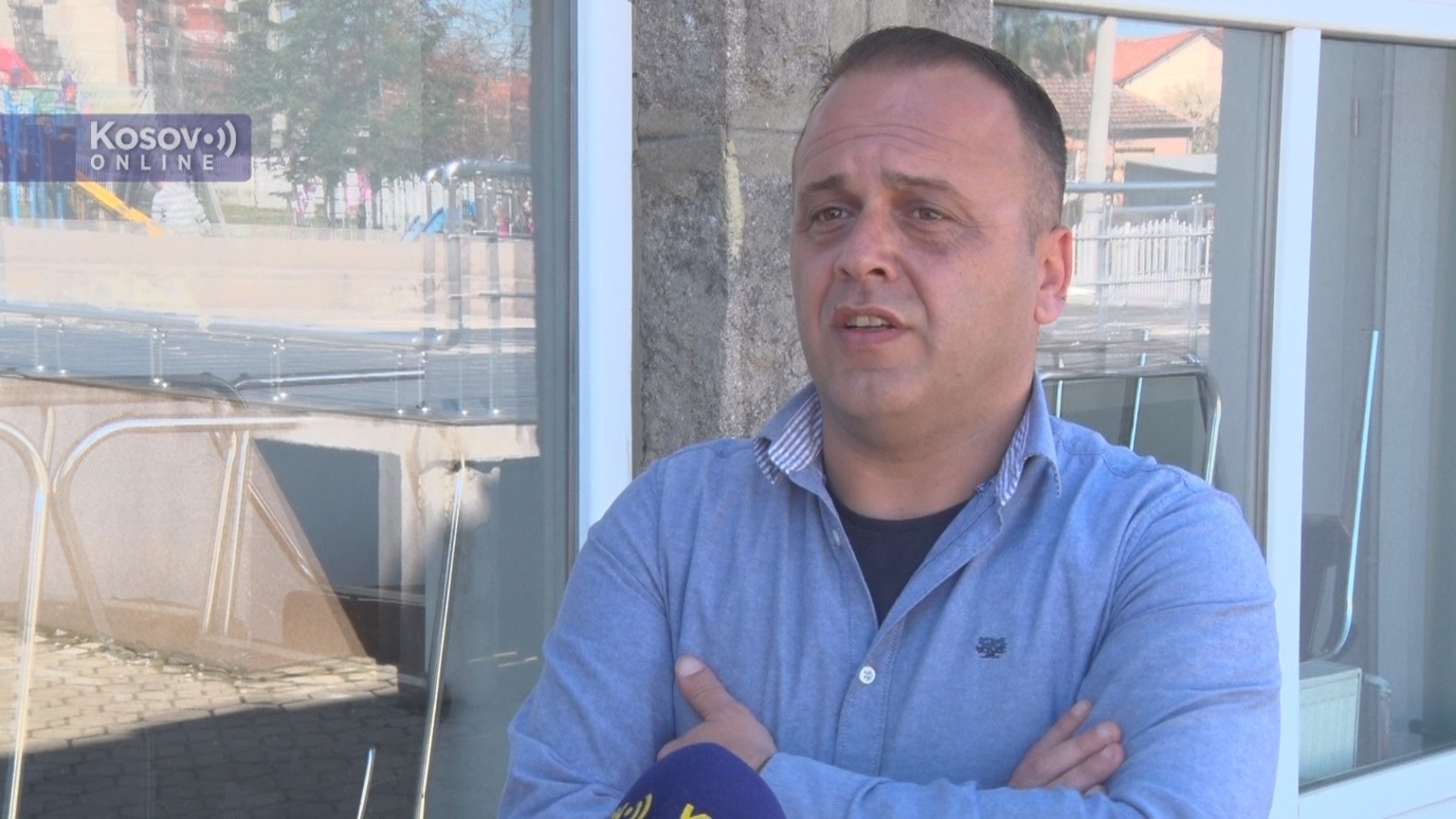
Analyst Aleksandar Gudzic tells Kosovo Online that in recent years there has been a noticeable tendency of the authorities in Pristina to create unrest among Serbs by arresting and harassing citizens.
"There are frequent arrests before and during Vidovdan, when Serb national feelings are more pronounced, with the goal of preventing Serbs from all over the world from coming to Kosovo. Such raids also aim to create unrest among the Serbs in Kosovo, but they also send a message to the Serbs from the region and the diaspora to think about whether they will come to Kosovo. We have witnessed that the police have been harassing Serbs for years," Gudzic says.
As for the arrest for a verbal offense, he says it is done "so that the Serbs do not question Kosovo's statehood."
"A law was passed on the protection of the KLA's war values, according to which anyone who questions the KLA's fight for Kosovo statehood is punished with imprisonment. All this is aimed at denying freedom of speech," our interlocutor concludes.


0 comments