
Political crisis in Pristina: Will Kurti have to hold special elections?
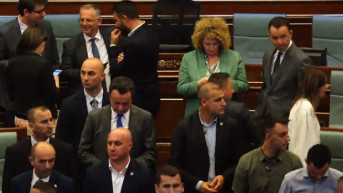
The political crisis in Pristina, which gained momentum after the recordings in which the head of the parliamentary group of Self-Determination Mimoza Kusari-Lila admits that she had phone conversations with the vice-president of the Serb List, Milan Radoicic, has not calmed down.
After the fight between opposition MPs and ministers in the Assembly of Kosovo, demands for the current government to leave and for extraordinary elections to be called spilled out of the parliament and into the streets, so yesterday KLA veterans organized a protest in front of the government building led by Albin Kurti.
The opposition says that this is only the first in a series of protests and that the demonstrations will be organized until "Kurti leaves".
The Kosovo Prime Minister, on the other hand, is trying to "absorb" external pressures, more precisely, the punitive measures of the US and the EU for refusing to de-escalate the situation in the north by offering to withdraw a part of the Kosovo Special Forces from the vicinity of municipal buildings in Zvecan, Leposavic, and Zubin Potok. However, this "lifeline for the government" will obviously not be enough for Kurti, because Western officials, even German ones who have so far been milder in criticizing the actions of the Kosovo Prime Minister, say that it is not enough and that the Special Forces have no business in the north.
As things stand now, Kurti has no answer for the internal political crisis he is facing.
The president of the “Matica Albanaca” in Serbia, Demo Berisha, tells Kosovo Online that he does not see how Albin Kurti will be able to overcome, as he says, "the trap he himself fell into". Berisha states that for years Kurti himself created the image that Radoicic was unacceptable, threatened him with indictments and warrants, and accused him of anything and everything.
"Now it has been revealed that he maintained relations with the man whom he wanted to portray as a criminal through people from his party structure. This is an affair that, in my opinion, will surely lead to the fall of Kurti's government. I don't see how he can get out of this situation," Berisha says.
In the recordings of the conversation between Kusari-Lila and the official of the Serb List, Slavko Simic, which have reached the public and in which she admits that she also had conversations with Radoicic, Berisha points out, there is no doubt that she was delegated by the party head of Self-Determination to keep in contact with the Serb List and its leaders.
"Every Kosovo government has failed on the so-called Serbian issue, and so will Kurti's. And the situation cannot be normalized without relations with the Serbian factor in Kosovo and respect for the views and demands of the Serbian community. Kurti was so 'tough' in that there are no negotiations with the Serb List and Radoicic, which is impossible if you want to establish a normal life, you have to communicate with the legitimate representatives of the Serbs. Now it will cost him the government. If Radoicic is so disputable personally, as Kurti tried to represent him, then where such close contacts and cooperation with him comes from," Berisha says.
Political analyst and professor Nexhmedin Spahiu tells Kosovo Online that he thinks Kurti's government will not fall because of the "conversations" affair, which is centered on a high-ranking official of Self-Determination and the vice-president of the Serb List, but that Kurti's "incompetent and corrupt ministers" could cost him power.
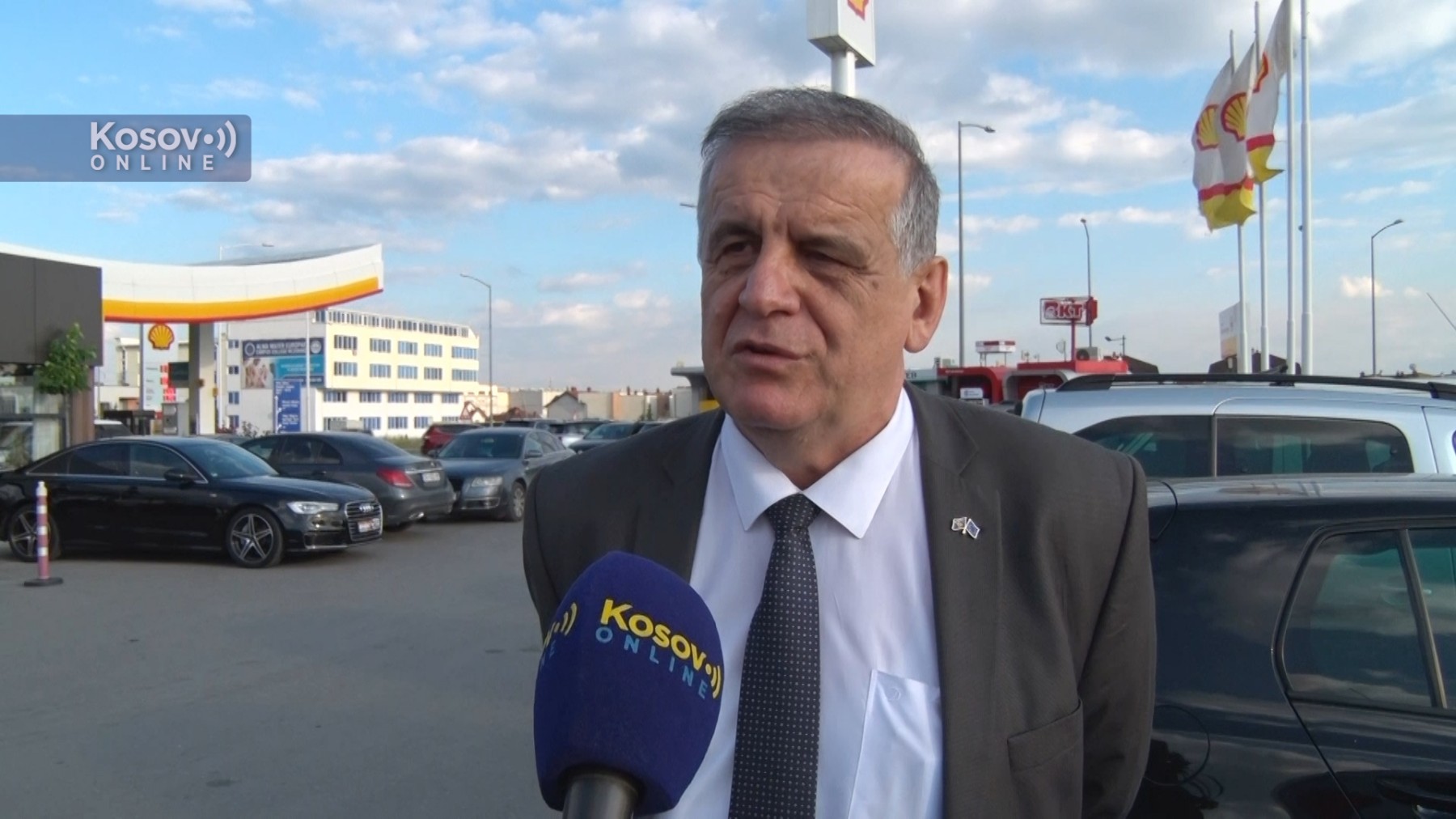
"What happened in the Kosovo Parliament, the fight, raises the rating of Albin Kurti even more and reduces the chance of the opposition to come to power. There is nothing particularly compromising in the conversations that have been leaked to the public. At the moment when the talks were held, Radoicic was the vice president of the Serb List, and the talks were held between the heads of the two parliamentary groups in the parliament.
He points out that many bigger scandals concerned the current Kosovo government.
"It's obvious that the opposition is trying to take advantage of this, but I don't think it will have much scope. Those who are ruining Albin Kurti are his incompetent and corrupt ministers. And those who 'raise' and keep Kurti in power are the opposition and the media," Spahiu says.
The fact that the recording of the conversation reached the public at a time when Kurti is facing serious pressure from outside to accept the demands of the US and the EU for de-escalation in the north, and Kosovo is facing isolation and sanctions from the West, according to Spahiu, are aimed at destroying the authority of Albin Kurti.
"This is not about Mimoza Kusara, who was with all the previous governments, and something like this is not particularly compromising for her. The intention was to compromise Albin Kurti, but I don't think it will have much scope," our interlocutor believes.


0 comments