
Gjokutaj: German government’s quota decision will not close the door, but it will create problems
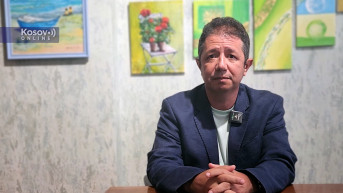
Albanian economics and employment expert Eduard Gjokutaj told Kosovo Online that Germany’s decision to halve its annual quota for workers from the Western Balkans from 2027 would not close the door to employment in the country, but would create problems for workers and countries in the region. According to him, the impact will vary from country to country depending on the number of people leaving and the occupations in which they work, with healthcare, construction and tourism among the most represented sectors.
Gjokutaj told Kosovo Online that the quota reduction applied to the entire Western Balkans, particularly to workers who do not have specific professional qualifications but possess skills required in the service sector and basic occupations.
“This decision does not close the door to employment in Germany, but the number of available places has been reduced. Germany is making plans because there are currently more than 170 occupations in the country experiencing labor shortages. It wants to achieve a better distribution of workers and planning that does not apply solely to the Balkan countries,” Gjokutaj said.
In his assessment, the quota reduction could affect the conclusion of employment contracts, the placement of workers in the cities where they will be employed and the search for alternative employment opportunities. He also expects the decision could encourage countries in the region to reassess their domestic policies and strategies concerning the organized migration of their workforce.
Speaking about which countries could be most affected, Gjokutaj pointed to Serbia and North Macedonia, as well as Albania, from which, according to him, a large number of workers have moved to Germany for extended periods.
“Most workers from Albania are employed in healthcare, the construction industry and tourism, including culinary and related occupations. Serbia has more workers in the construction sector, in which it specializes, as well as in technical and healthcare services,” Gjokutaj said.
He stressed that there were both similarities and differences among Western Balkan countries in terms of the structure of the workforce migrating to Germany. Consequently, he said, the effects of the quota reduction would not be the same for all countries, nor would they affect all occupations equally.
Gjokutaj also pointed to opposition to the decision from German construction companies, saying that they feared losing workers needed for their operations. He stressed that this concerned not only workers performing basic jobs, but also skilled tradespeople such as bricklayers, electricians, plumbers and welders, for whom demand continued to grow.
“When it comes to Albania, consideration should be given to how the country can adapt to the new circumstances, particularly in the healthcare sector, from which a significant number of qualified workers have moved to Germany. Employment in that sector involves specific procedures and requirements concerning the recognition of professional qualifications, which is why Albania should reassess its strategy and approach to coordination,” Gjokutaj said.
Noting that cooks and waiters were also among the occupations in demand, Gjokutaj said that their expectations of working in Germany were often higher than what they encountered upon arrival.
“They leave in search of better salaries and a better future, but they encounter problems. Due to insufficient knowledge of the labor market and their rights, they may find themselves in a weaker position in relation to employers, making it more difficult to achieve the goals that prompted them to leave in the first place,” Gjokutaj said.
According to him, workers’ success in Germany also depends on their ability to improve their professional knowledge and develop their skills in environments with a greater number of industries and economic activities. Such experience can help them achieve greater professional security and more stable incomes, while allowing them to send part of their earnings back to their countries of origin through remittances.
“The obstacles workers face include difficulties integrating into the labor market because of the complex legal and regulatory environment, separation from their families and countries of origin, as well as loneliness in the communities where they live and work. There are also the high costs of housing and living in Germany, which affect how much money workers have left at the end of the month, despite earning higher salaries than in their countries of origin,” Gjokutaj said.
On the other hand, Gjokutaj stressed that legal employment in Germany also brought certain long-term benefits, as years of employment were officially recorded and social security contributions could be recognized in Albania in accordance with the agreement between the two countries.
Germany has announced that, as of January 1, 2027, it will halve the annual quota for workers from the Western Balkans, from the current 50,000 to 25,000. The measure applies to Serbia, Kosovo, Bosnia and Herzegovina, Montenegro, North Macedonia and Albania.




0 comments