
Grxhaliu: Kosovo has lost the energy battle, dependence on imports will burden future generations as well

Former President of the Kosovo Chamber of Commerce Safet Grxhaliu said that Kosovo had missed the opportunity to develop new generation capacity as early as the beginning of the 2000s, leaving it dependent on electricity imports today, with future generations also set to bear the consequences of that failure.
Commenting on the Kosovo Government’s decision to ban electricity trading with Serbian companies, Grxhaliu told Ekonomia Online that dependence on imports limited Kosovo’s ability to choose its sources of supply, while future generations would also pay the price for the lack of investment.
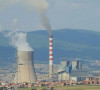
“It is true that Kosovo lost the energy battle at the very beginning of the post-war period, in 2002 or 2003, when investments in new generation capacity failed, whether the ‘Kosova e Re’ project or other alternative energy sources. The fact that we are a country with the largest coal reserves and that we also opted for alternative energy, yet all those investments today generate only a very small amount of electricity, has made Kosovo dependent on imports,” Grxhaliu said.
He stressed that dependence on imports restricted the choice of suppliers, particularly at a time when other European countries were also facing challenges in securing electricity supplies.
“When you depend on imports, you have few options when it comes to choosing where to obtain your supplies. This is particularly true now, when not only the Western Balkans and Kosovo, but Europe as well, are facing challenges in electricity supply, among other things because of the war between Russia and Ukraine and problems involving oil. This is a major loss that future generations will have to pay for,” he said.
According to Grxhaliu, rather than seeking those responsible for failed energy projects, greater transparency in electricity trading and imports should be ensured.
“We should not waste time looking for someone to blame for the failure of all those projects, but Kosovo’s economy and its citizens are now paying the price of that uncertainty. Instead of being an electricity-exporting country, we are a country that is highly dependent on electricity imports. That is why we need greater transparency in imports,” Grxhaliu said.
He warned that an imbalance between supply and demand could result in power outages or force Kosovo to purchase electricity wherever it was available.
“We need to understand that there is a law of supply and demand. When an imbalance occurs, you will be faced with the choice of either having blackouts or buying electricity wherever it is available. Serbia has had a strategic position in this regard, not only through Bosnia and Herzegovina and Republika Srpska. I believe citizens would be more satisfied if there were an alternative source of supply that would benefit the economy and enable citizens to obtain cheaper electricity,” he stressed.
Grxhaliu added that changing the supply route did not necessarily mean changing the source of the electricity. He called on politicians to devote greater attention to Kosovo’s economic independence alongside its political independence.
“All of this happened because only the electricity supply route was changed, while it is well known that the main sources of supply are in those two countries, Serbia and Bosnia and Herzegovina. This moment should encourage citizens, businesses and politicians to find ways for us to become economically independent rather than thinking solely about political independence. If you are not economically independent and cannot independently secure your electricity supply, the goals of sustainable economic development and social stability will remain out of reach,” Grxhaliu said.
Kosovo Online addressed the issue of Kosovo’s energy stability in its analysis, “Kosovo’s energy future between coal, imports and new partnerships.”
0 comments