
Petkovic: Kurti does not want the CSM, peace, or dialogue
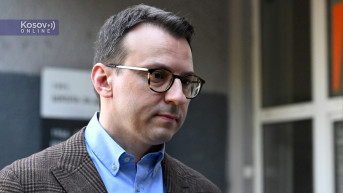
The Director of the Office for Kosovo and Metohija, Petar Petkovic, stated that the Prime Minister of Kosovo, Albin Kurti, was not interested in preserving peace, emphasizing that the Belgrade delegation talks in Brussels, with EU mediation, precisely because it does not support the ambitions of the Pristina separatists but upholds international law and Serbian state and national interests.
"It is obvious that Kurti is not interested in dialogue, preserving peace, or reaching a compromise, which he confirmed once again last week in Brussels when he refused to talk with President Vucic. He believes he has the capacity to force us to act against Serbian state and national interests, meaning he feels he has no obligation to agree on anything with Belgrade, but that is only his fantasy," Petkovic said in an interview with Novosti.
Dialogue is the only way to normalize the relationship between Belgrade and Pristina, fulfill the agreements reached, and solve numerous problems on the ground, Petkovic believes.
"The regime in Pristina rejects dialogue because it evidently counts on having other options available, which mainly involve unilateral and violent decisions, as well as the persecution of Serbs, especially in the north of the province. President Vucic, nor any of us, is not even slightly enthusiastic about talking with Kurti, but we are in dialogue because it is our job. Although our side accepted direct talks with Pristina without any problems, Kurti refused. Whether he was afraid of Vucic or did not want to talk – only Kurti knows the answer to that," Petkovic said, speaking about another round of dialogue.
How do you comment on Pristina setting three conditions for continuing negotiations that are unconstitutional and demanding signatures?
His demands are, it must be said clearly, an attempt to extract de jure recognition of the unilaterally declared independence of the so-called "Kosovo" from Belgrade. We are talking in Brussels with EU mediation precisely because we do not support the ambitions of the Pristina separatists but uphold international law and Serbian state and national interests. When you have a dialogue with someone, you talk, you don't set ultimatums and turn an important and sensitive process into a pre-election show. It's clear to everyone that Kurti has come up with so-called proposals to avoid dialogue.
Do you think the EU will change its position and act more decisively toward Pristina after the high-level round?
The EU knows very well who Kurti is. They have no illusions about him, but they evidently have no interest in restraining him in any way, although it is obvious to everyone how much of a threat he poses to the region's stability. Will they apply any more drastic pressure on him soon? I don't believe so. However, after the last high-level round of dialogue, the EU and High Representative Mr. Borrell clearly stated that the responsibility lies with Kurti, as he refused to participate in the dialogue. This is a positive step by Brussels.
Are we now in a situation where we can say that the dialogue is effectively halted by Pristina's will, and can you do anything with Bislimi to revive the process?
The dialogue is not dead as long as there is someone willing to talk, and Belgrade's readiness is unquestionable. Kurti's destructive policy and disdainful attitude towards dialogue are, however, insurmountable obstacles to an effective process. Pristina simply does not currently want any constructive relationship with Belgrade, and to make matters worse, this kind of arrogance and ruthlessness also characterizes their relationship with the Serbian people in Kosovo and Metohija.
Do you believe the CSM will ever be formed?
I don't believe Kurti intends to allow the formation of the Community of Serb Municipalities because the concept of a society in which an evidently endangered group needs firm institutional guarantees of their rights is directly contrary to his chauvinistic ideas. On the other hand, we cannot currently know whether the Albanian population in Kosovo and Metohija might eventually produce more moderate political forces with whom it would be possible to talk in a constructive and productive way, nor can we predict the development of geopolitical circumstances in the world, even by the end of this year. Our role is to wait and be patient, because I believe the time for real negotiations will come.
Our people in Kosovo and Metohija are constantly under attack by Pristina. Are you afraid that a pogrom could happen again?
We are extremely concerned about the extremely difficult situation of Serbs in Kosovo and Metohija. Serbs are daily exposed to Kurti's terror, from the ban on the transport of Serbian goods, medicines, medical supplies, illegal expropriation, the imposition of fake mayors in the north, to arbitrary and illegal arrests of Serbs. A pogrom, like the one in 2004, is not possible because Serbia, under the leadership of President Vucic, is firmly determined not to allow it. And Kurti has realized that he is better off and more successful with more perfidious methods of creeping ethnic cleansing, based on a policy of constant intimidation and terror, which should result in the gradual and artificially generated emigration of Serbian families from Kosovo and Metohija. However, the world is becoming increasingly unstable, as President Vucic said very eloquently and argumentatively a few days ago, and in these circumstances, we must be especially vigilant.
What are the chances of making progress regarding the dinar, given that Pristina wants to expel our currency?
The political structure led by Kurti is bothered by everything that represents Serbia in our southern province and by the fact that the Serbian character of Kosovo and Metohija is indelible. He would, if he could, prefer to erase any mention of Serbia and Serbs with a rubber eraser. You saw, after all, what happened on Vidovdan in Kosovo and Metohija, how extremists attacked Serbian tricolors. The dinar, which has been used for payment in Kosovo and Metohija since the time of the Nemanjic dynasty, is one of the symbols of Serbia, and that is what upsets Kurti. Behind the ban on the dinar, there is no financial logic; it is simply part of the process of erasing any presence of Serbia in Kosovo and Metohija, and Kurti is working very dedicatedly and systematically on this. If we add to this the fact that Serbs in Kosovo and Metohija, due to the ban on the dinar payment system, cannot withdraw salaries, pensions, and other social benefits in their places in the province, which are otherwise regularly paid every month by the state of Serbia to the accounts of all beneficiaries, it is clear that this illegal decision was made to further pressure the Serbian people. One thing is certain, Belgrade will never leave its Serbian people in the lurch, and that is why we have provided alternative ways of withdrawing financial resources, while on the other hand, in dialogue, we will continue to seek the most favorable solutions.
You have been banned from entering Kosovo and Metohija again; is it really possible that the EU cannot force Pristina to allow freedom of movement?
This is not the first time, and the greatest absurdity is that Pristina has this kind of relationship with someone they are supposed to be talking to. What treatment can anyone else expect, then? The ban is not just for me, but for anyone they think might give Serbs in Kosovo and Metohija even a little strength to persevere in their fight for survival and their rights. Even Patriarch Porfirije and the bishops of the Serbian Orthodox Church were banned from accessing the province and the Patriarchate of Pec, humanitarian workers, and public figures are denied entry. This is abuse by which the political leadership in Pristina shows its true face, but many do not care, especially not their international sponsors.

0 comments