
Gudzic: Serbs in Kosovo and Metohija have lived for twenty years knowing that another 17 March could happen
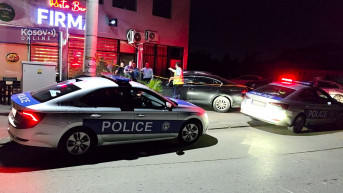
The shooting that occurred in the immediate vicinity of a Serbian primary school in Laplje Selo, while children were present in the schoolyard, has once again raised concerns about the security of Serbs in Kosovo. According to historian Aleksandar Gudzic, the incident deeply disturbed both the children and the parents who were nearby, RTS reports.
The shooting took place on Friday when, according to eyewitnesses, an individual emerged from the "Firma" café, located opposite the Miladin Mitic Primary School, and fired several shots into the air.
Gudzic said the incident resembled a scene from a war film.
"The incident deeply disturbed the parents and children who witnessed it or were nearby, in the vicinity of the café and the school playground. According to people I know who were present, the children were visibly shaken. It looked like a scene from a war movie. It was undoubtedly a traumatic experience for both the children and their parents," Gudzic told RTS.
He recalled that, according to reports by international organizations, more than half a million long-barrelled firearms remain in Kosovo from the conflicts of the 1990s.
"For the past twenty years, Serbs in Kosovo and Metohija have lived with the awareness that another 17 March 2004 could happen—that they could suffer the fate of the Anatolian Greeks or the Armenians. This is something Serbs live with year after year, process after process, day after day," Gudzic said.
In addition to these security concerns, he pointed to serious economic challenges, describing Kosovo as a territory with a weakened economy and an underdeveloped economic environment.
Gudzic added that the issue causing the greatest concern among Serbs is what he described as growing institutional pressure, which, in his view, has intensified in recent years.
"In the north, the police have effectively assumed executive authority. It is the police who decide whether a mural may be displayed, whether an institution may continue to operate, what is and is not permitted, whether someone is wearing clothing with prominent national symbols, or whether songs may be sung at Gazimestan. We are witnessing a policing system that has come down heavily upon the Serb community," historian Aleksandar Gudzic said.


0 comments