
Maroevic: Everyone’s talking about the match, no one about football
The sports event itself isn’t risky, but only football can stir such emotions. The match between Albania and Serbia carries a history that adds tension – the infamous drone incident at the JNA stadium when Ismail Morina flew a drone with a Greater Albania flag, and the highly charged match that followed ten years ago in Elbasan. The relationship between Belgrade and Pristina, as well as personal relationships between political leaders, all contribute to an atmosphere that wouldn't exist if only Albanian fans attended the game. But there will be many people from abroad, from Kosovo, and there’s tremendous pressure on Albanians to win – said journalist Rade Maroevic on the show Kontekst ahead of the football match in Tirana.
His impression is that everyone is talking about the match, but no one is talking about football.
“That’s normal in a situation where two conflicted nations face each other. Both national teams are trying hard to separate football from politics, especially since Serbia and Albania have had relatively decent relations over the past ten years,” said Maroevic.
Ten years ago, Albania hosted Serbia in a qualifier match in Elbasan, which Maroevic attended in person, also following what was happening around the pitch.
“There were no incidents, but everything leading up to the match brought tremendous pressure to the players, the crowd, and the police. It was a unique atmosphere – like chamber theater. Football was clearly a victim of everything surrounding it. The Albanians brought in 5,000 police officers to secure a stadium that holds 12,000 people, helicopters, every possible electronic device, anti-terrorist squads – at least 10% of those present were agents, and about a third were government officials. Only small groups of fans from Kosovo and Albania were present. The atmosphere was so tense, people didn’t know what to do – it was a place where you didn’t dare to make a sound,” explained Maroevic.
He recalled that Albania had prepared for the match for four months, which ended with just one rock being thrown at the Serbian team bus.
“Now the security measures will be even stricter. All possible devices will be in place to prevent even the slightest incident. The city center will be blocked off. I don’t expect a dramatic incident, even though interest is massive. Around 200,000 people applied for 20,000 tickets – purely a matter of luck. A huge number of people will come from abroad, and although not all will be able to enter the stadium, about 50,000 people will be in the city. There’s always a chance someone will cause chaos, but systemically everything will be done to prevent that,” he added.
He expects the crowd will cheer more for Albania than against Serbia and points out that the government in Tirana has clearly instructed fans to avoid incidents. The match will be played at the new “Arena Kombëtare,” built on the site of the former Mussolini Stadium, later renamed after WWII hero Qemal Stafa.
Maroevic began his journalism career and spent a large part of it on Kosovo. He said many reporters, photojournalists, and cameramen emerged there, but even today, the outcome of the Kosovo issue remains unpredictable.
“It’s one of Europe’s unresolved problems. Maybe this generation of politicians won’t be able to solve it – the burden is too great, the history too recent, and the surrounding problems too large. When the war started, it was clear it would end disastrously. Adem Demaçi once told me: in the Kosovo crisis, everyone behaves like elephants in a glass shop – Serbs, Albanians, and the international community. What we see in Kosovo today is the result of that,” he believes.
He attributes the situation to the fact that both Belgrade and Pristina want to "win" the negotiations, even though that’s impossible.
“We’ve lost a quarter of a century to build any relationship between Serbs and Albanians in Kosovo. Belgrade and Tirana have built very decent ties. Belgrade and Pristina haven’t built any – and that’s the core of the problem,” said Maroevic.
He noted that the number of Serbs in Kosovo has continued to decline since he first set foot there, and that this process is ongoing. The goal, he added, should be to create conditions for those who want to stay.
“Many people left, but surprisingly many stayed after 1999. Shortly after KFOR arrived, I spoke with General Jackson, then KFOR Commander and later head of the UK Armed Forces. The Americans were convinced all Serbs would leave Kosovo, and when that didn’t happen, the original plan had to be adjusted to protect those who remained. It’s a very complicated story for such a small and geopolitically insignificant territory. The world lost interest in Kosovo the moment a plane hit two buildings in New York on September 11,” said Maroevic.
Even though Albanians from all over the world will cheer with one voice during the match, their leaders in Tirana and Pristina don’t always agree. Maroevic also commented on the personal animosity between Edi Rama and Albin Kurti.
“Both aspire to be leaders of all Albanians – one more openly, the other more subtly. Their conflict escalated when Kurti tried to establish a political foothold in Albania, which Rama blocked early on. The core issue is who will be the leader of the Albanians, even though many Albanians claim they don’t need one,” Maroevic said.
He believes that Trump’s America is a more desired partner for Albania than the European Union and that Americans will be the main investors in the years ahead.
“Trump is a product of global social processes. People are moving toward the right and toward conservatism. The liberal system is seriously shaken. A pro-European candidate barely won in Romania; in Poland, the pro-European lost. The right is probably entering a new era. The U.S. is part of a global shift, where people are fed up with liberal ideas. Meanwhile, we are watching from the sidelines, trying to maintain good relations with those who hold strong cards,” concluded Rade Maroevic.
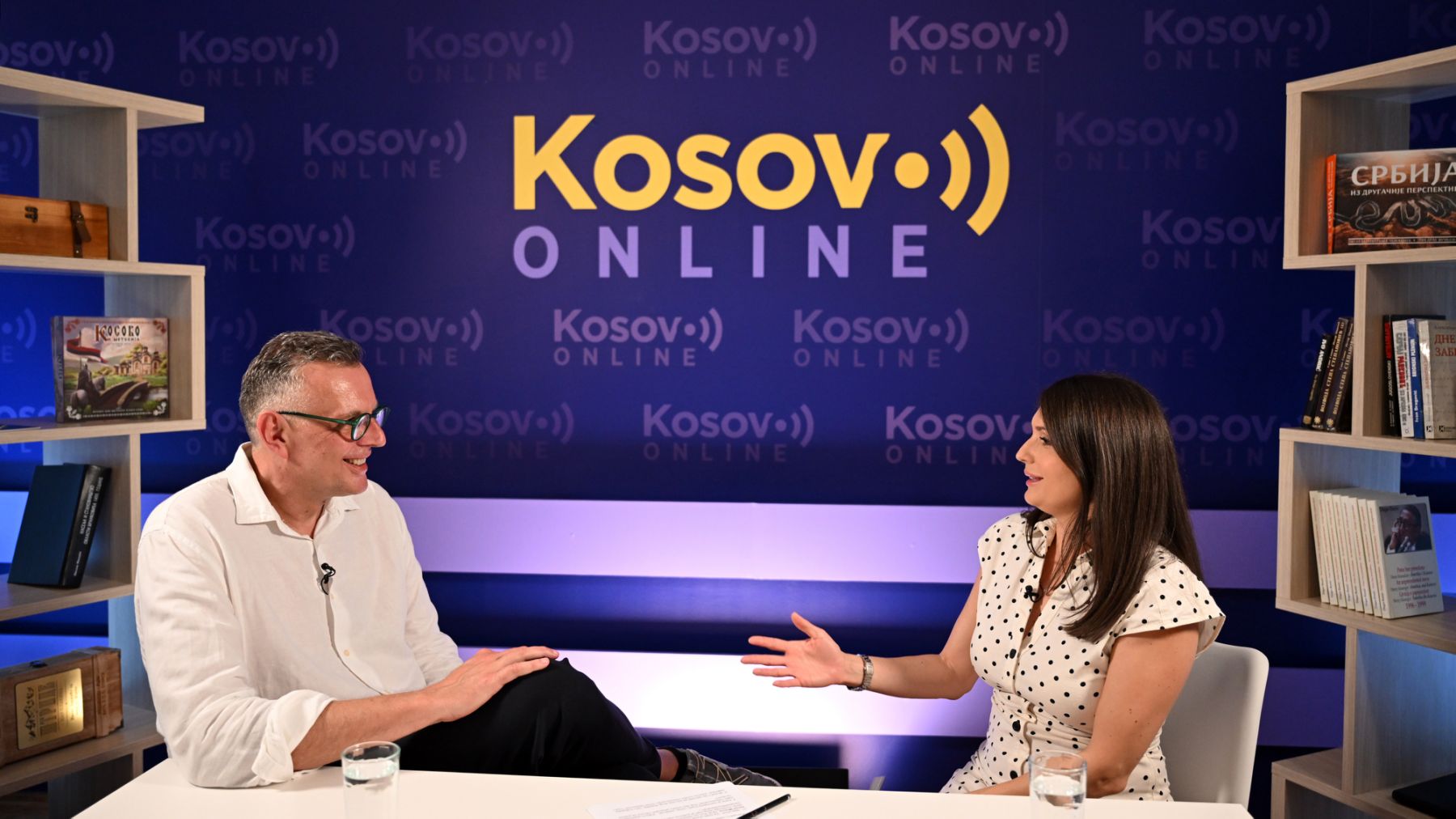
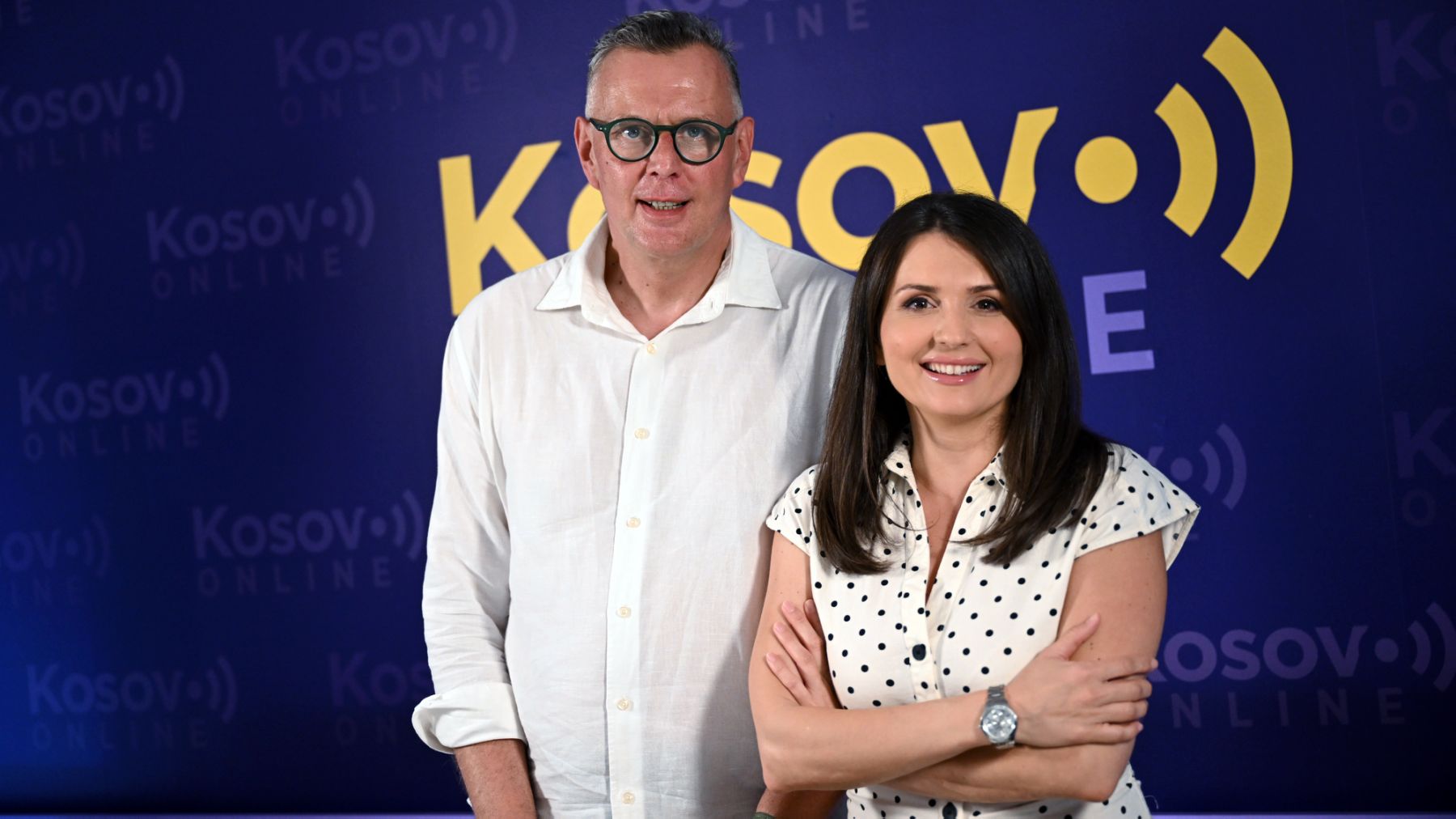
As for his predictions—both on the pitch and off—watch Rade Maroevic’s full interview with Dragan Biberovic in the video segment.



0 comments