
Milasinovic: Pristina has no interest in culture, UNESCO is just a stepping stone to the United Nations
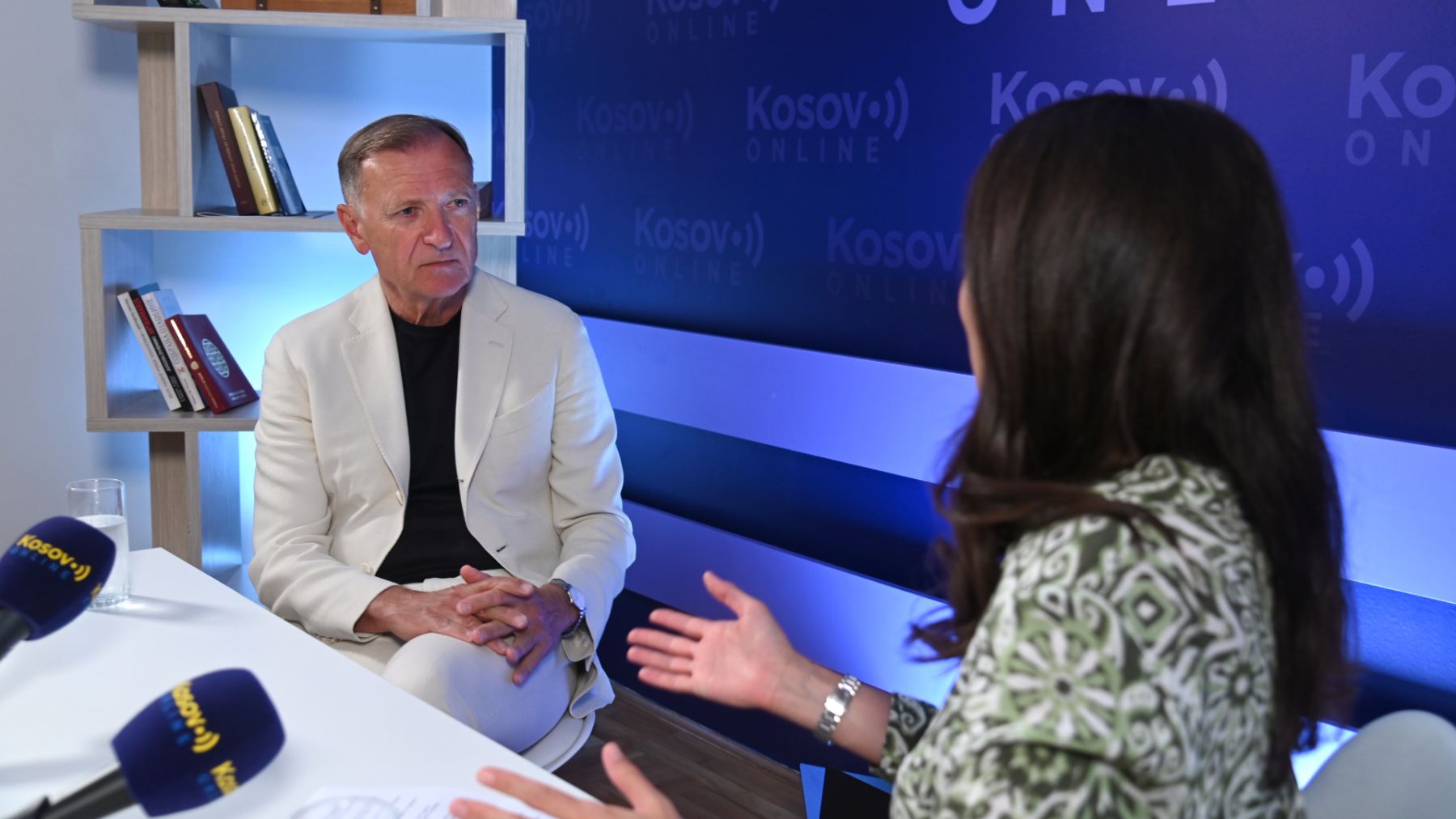
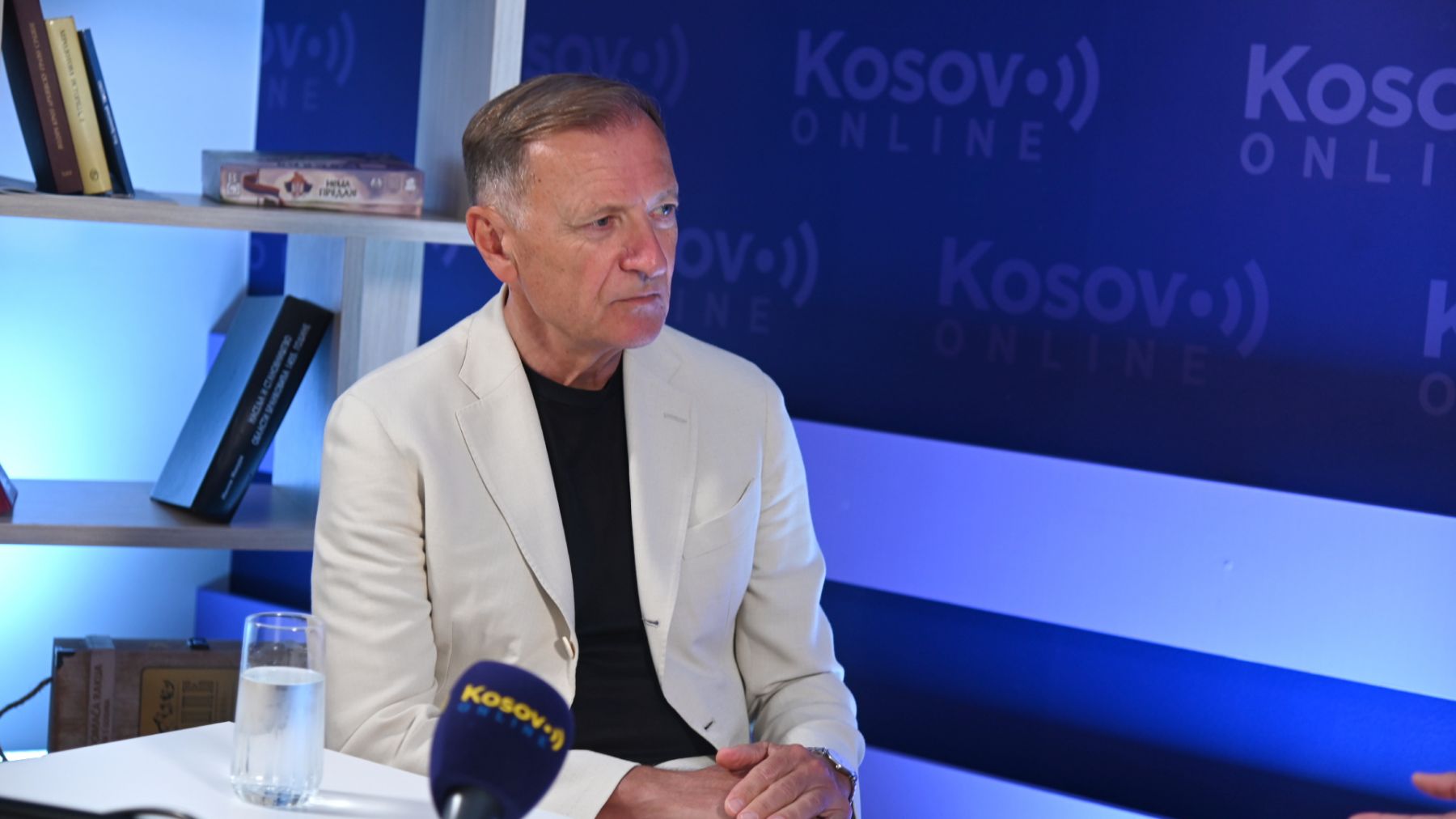
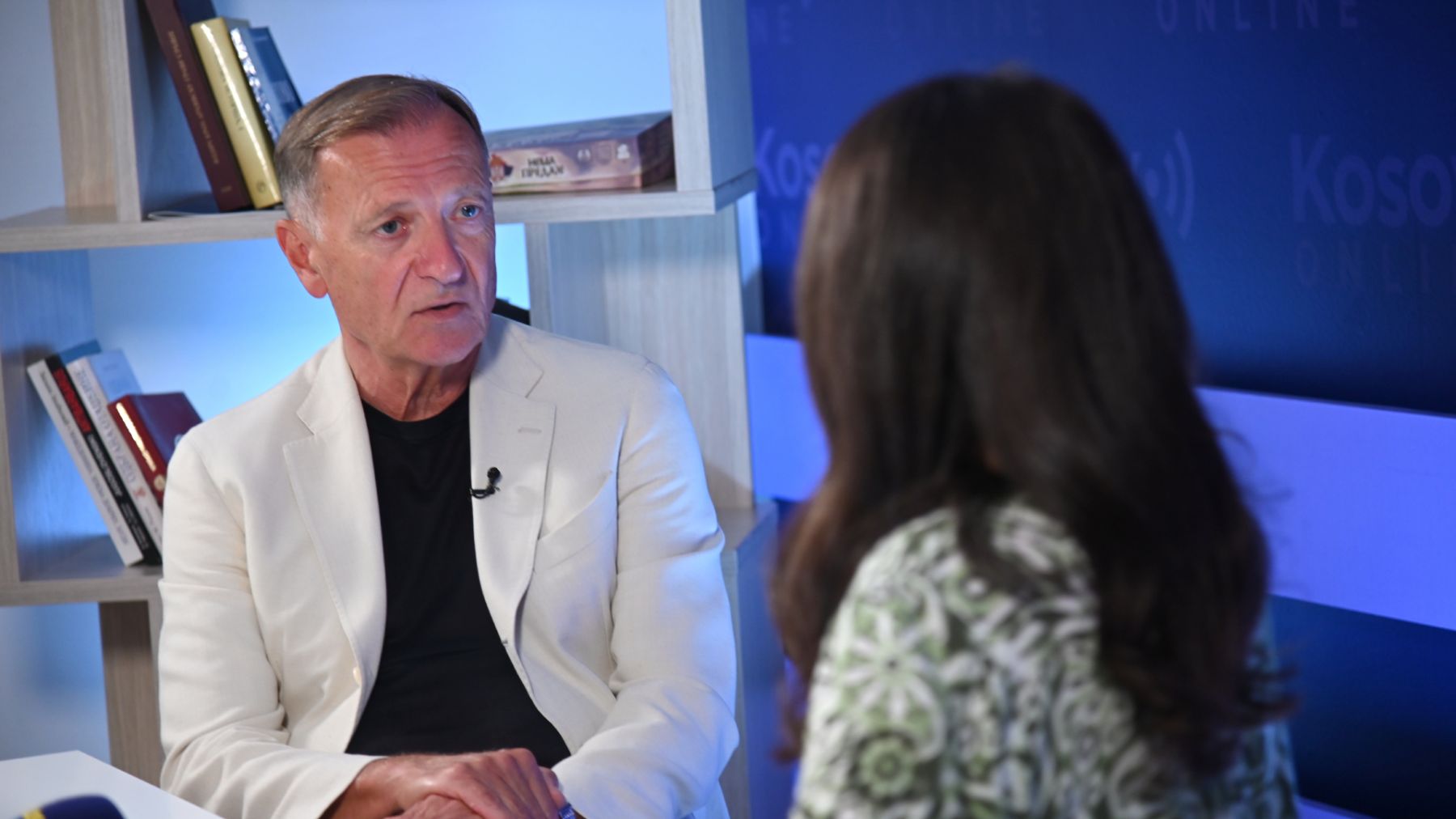
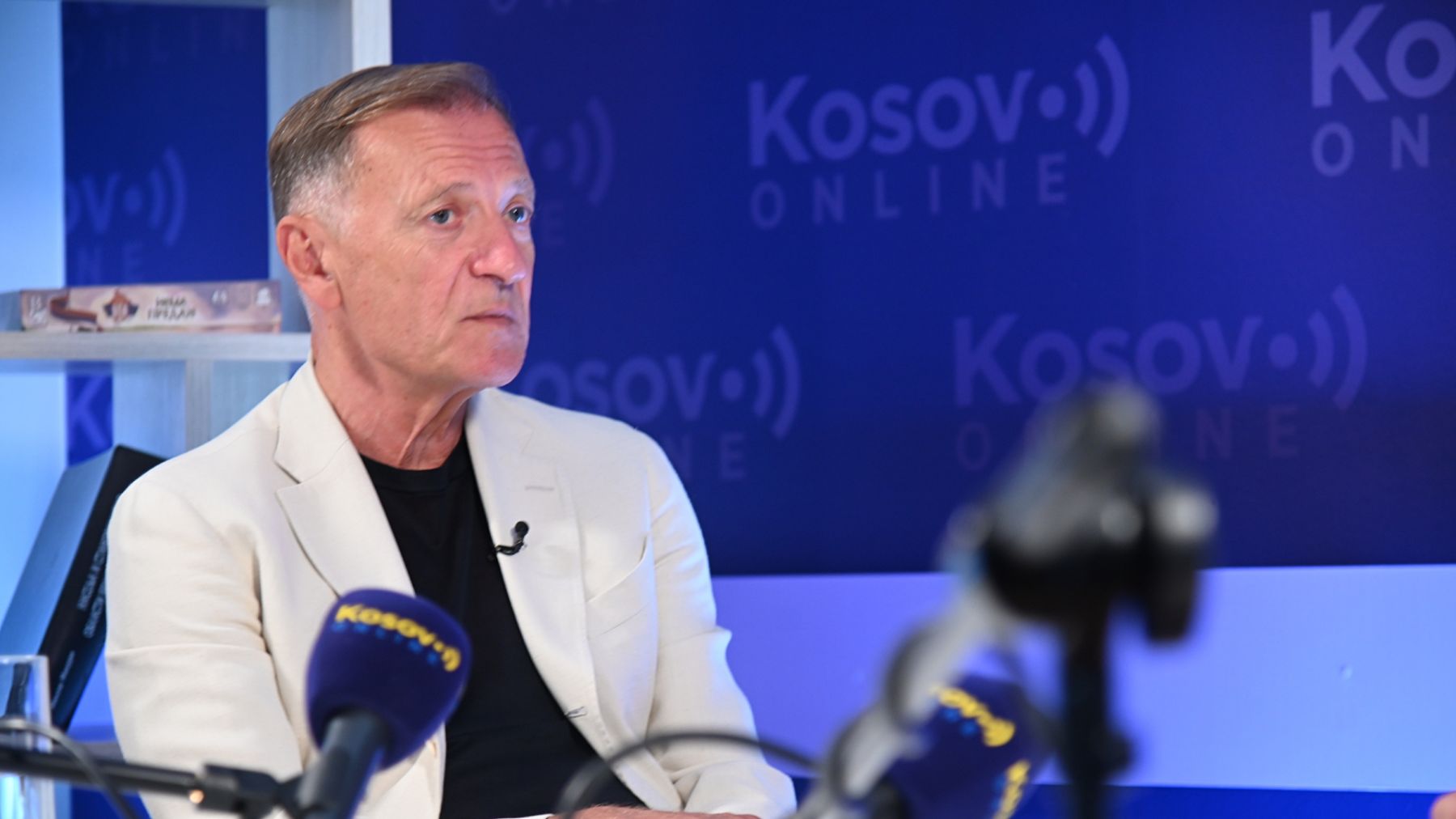
“I would not say that at this moment Kosovo has greater chances of becoming a member of UNESCO than it did in 2015. In fact, I could speculate that its chances are even smaller. However, that should not make us complacent; we cannot afford to be inactive. We must remain constantly vigilant, because they will seize even the smallest opportunity when it arises. When it comes to the so-called state of Kosovo, they act exclusively in the political realm, not in the cultural one. Everything they say about culture is a smokescreen, while what they are actually doing is politics—and they are doing only what their sponsors instruct them. The top priority of the commission I chair is the preservation of cultural heritage in Kosovo and Metohija, since it is endangered,” said Dr. Goran Milasinovic, President of Serbia’s National Commission for Cooperation with UNESCO, in an interview for Context.
A distinguished physician and award-winning writer, Milasinovic explained how literature eventually led him into cultural diplomacy.
“The ultimate goal of Kosovo’s policy is to carry out complete ethnic cleansing. In that case, it will be much easier for them to prove that they are the only ones who should take care of cultural sites in Kosovo. Once they become a full-fledged member of UNESCO, we will lose jurisdiction over the monasteries—we will no longer be able to write reports, no longer be able to say that something has been destroyed. Only they will be able to do so. And whether they choose to pursue a policy of destruction, or a policy of rebranding Serbian heritage as Albanian cultural heritage—we have already seen it in practice. It is difficult for me to imagine a situation where our people are no longer there and they have full autonomy,” Milasinovic warned.
He has headed the National Commission for a full decade, serving as a bridge between UNESCO member states and the organization’s headquarters in Paris. One of the greatest challenges came during his very first year in office: in 2015, Kosovo applied for UNESCO membership, missing the threshold by only three votes.
“According to UNESCO’s statute, membership does not require statehood—it can also be granted to territories, such as Palestine, which some recognize and others do not. We faced a serious challenge, primarily because a significant number of influential countries supported the so-called state of Kosovo. At that time, if I recall correctly, the UK played the lead role in Kosovo’s candidacy. The British ambassador to UNESCO was promoting Kosovo, and Mr. Thaçi appeared there without any right to enter UNESCO. We saw how strongly this was being pushed, and that is why we feared how it would all turn out,” he said.
Milasinovic recalled how powerful states supporting Kosovo’s independence tried to pressure then–Director-General Irina Bokova to place Kosovo’s candidacy on the agenda on the very first day of the session, a possibility allowed by the UNESCO statute, though highly unusual.
“She had the authority to do so, but she refused. We argued that such a move would disrupt established procedure—not illegitimate, but highly irregular. She sensed the excessive politicization, so the proposal was voted on the very last day. That gave us two weeks to try to sway a large number of countries to our side. There were states that recognized Kosovo, yet still voted against its membership. As part of our cultural diplomacy, we even produced a 10-minute documentary on the pogrom through our commission member from RTS. When the Poles saw churches being set on fire, they said: ‘Those who burn churches cannot be in UNESCO,’” he recalled.
He emphasized that at that time the entire state apparatus was mobilized to prevent Kosovo’s membership.
“Our argument was that a so-called state which destroys cultural heritage, tries to rename it, neglects it, and allows it to be ruined, does not deserve membership. That argument, I believe, carried real weight. Their main argument was that they were the youngest nation in Europe and needed UNESCO to stimulate education through its programs. But that was merely a trial balloon. In reality, their aim was to use UNESCO as a gateway toward their ultimate goal—the United Nations,” said Milasinovic.


He noted that at present there are no indications Kosovo will apply again, reminding that in 2015 Serbia knew already by May that Kosovo’s candidacy would come in November. Still, he stressed, the situation on the ground remains the same: cultural heritage in Kosovo is endangered and not accessible to all.
“UNESCO’s mission is that cultural sites be accessible to every human being on this planet. Can we freely visit monasteries in Kosovo? I would say no. It is impossible, even though as a member state Serbia is still responsible for annual reports on the condition of these sites, since they are on the endangered list. But a state cannot carry out this work without local assistance and cooperation with local self-government. That is the core problem. Sometimes there is progress, sometimes setbacks, always a zig-zag pattern tied to politics. When political relations worsen, the condition of heritage sites worsens; when relations improve, there is a degree of relaxation,” the commission president observed.
In Context, Milasinovic also spoke about heritage sites currently under nomination for the UNESCO list, such as the Smederevo Fortress, the last Serbian capital, and highlighted other examples from Serbia’s cultural and natural heritage.
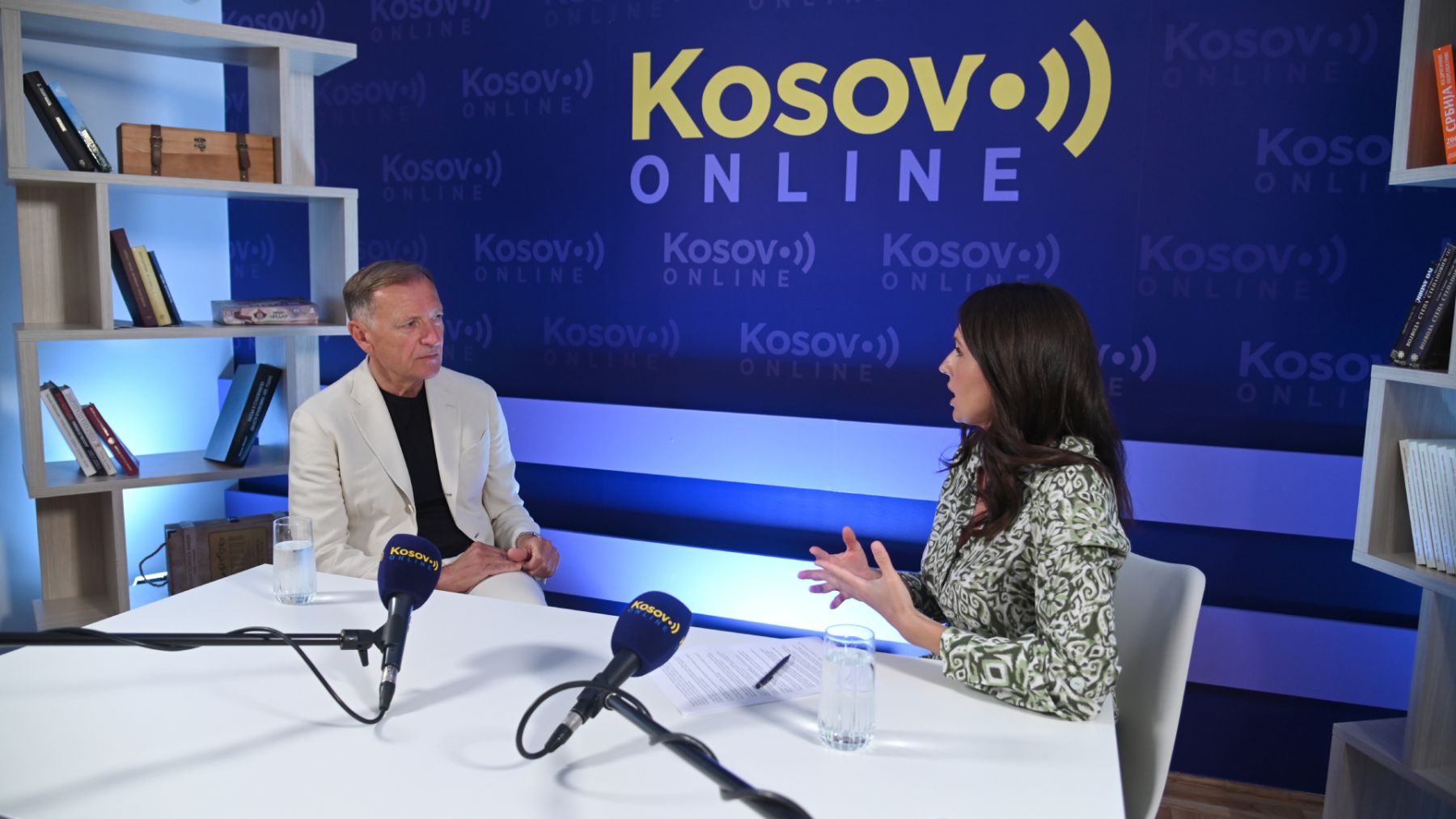
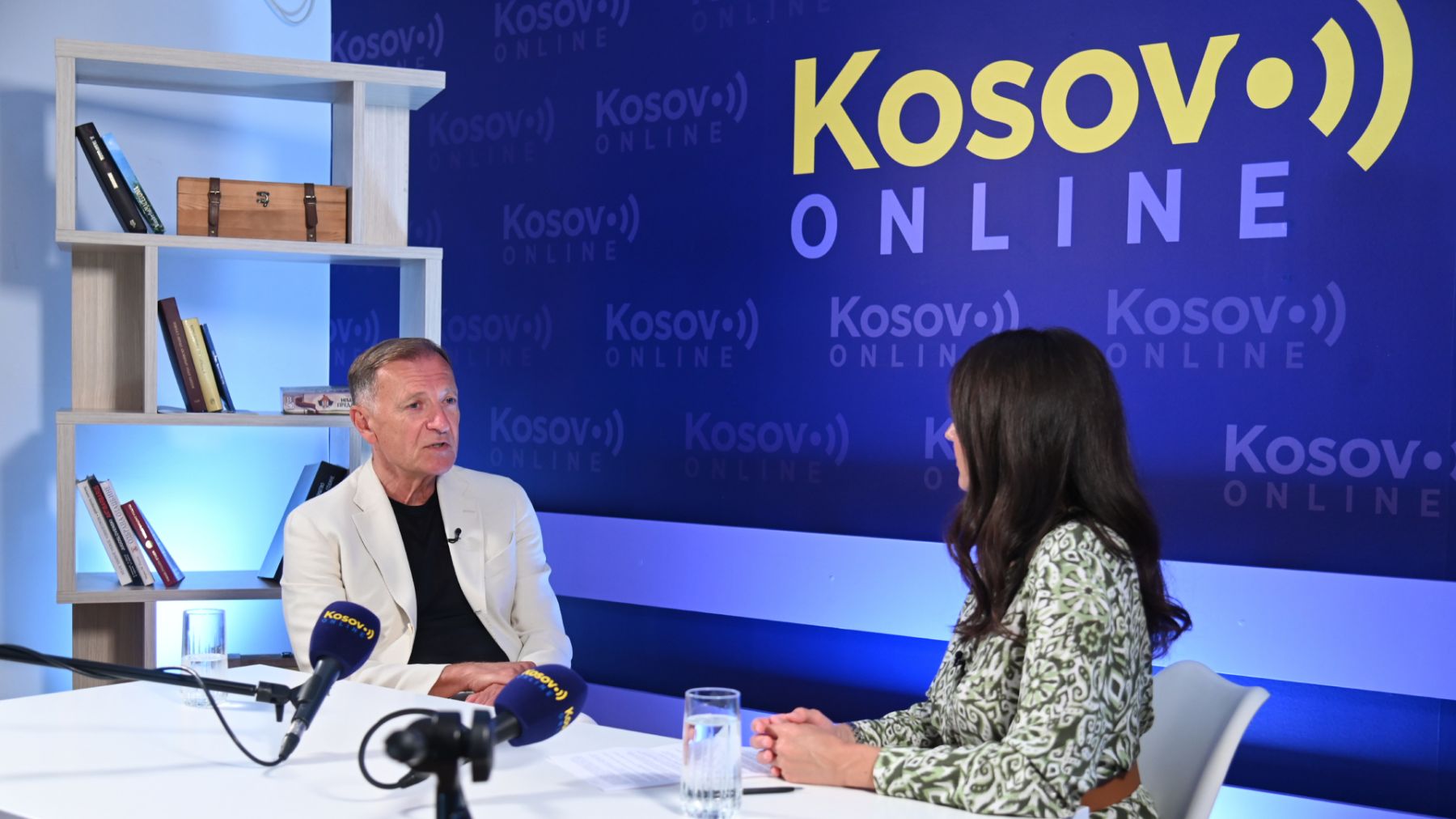
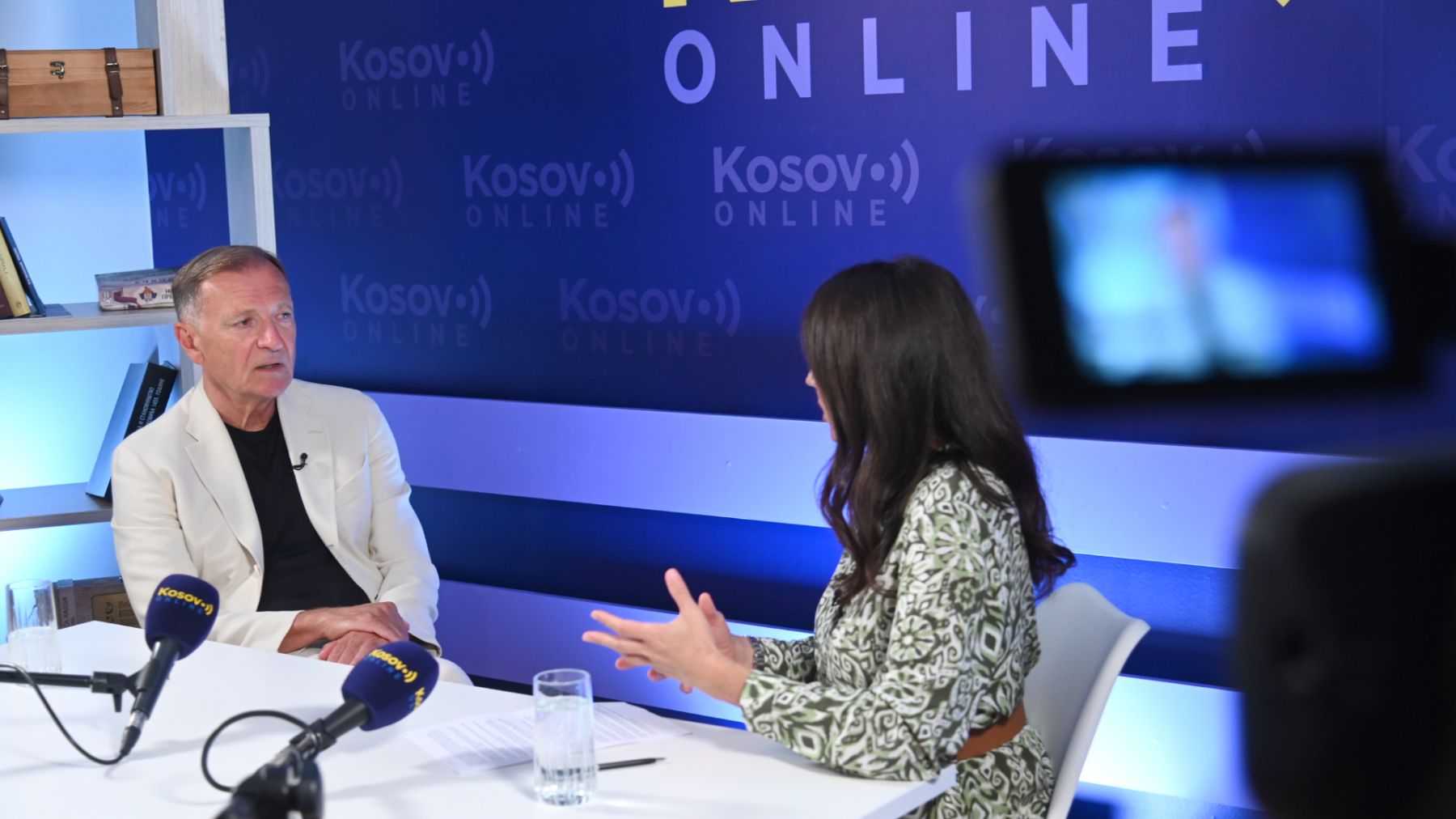
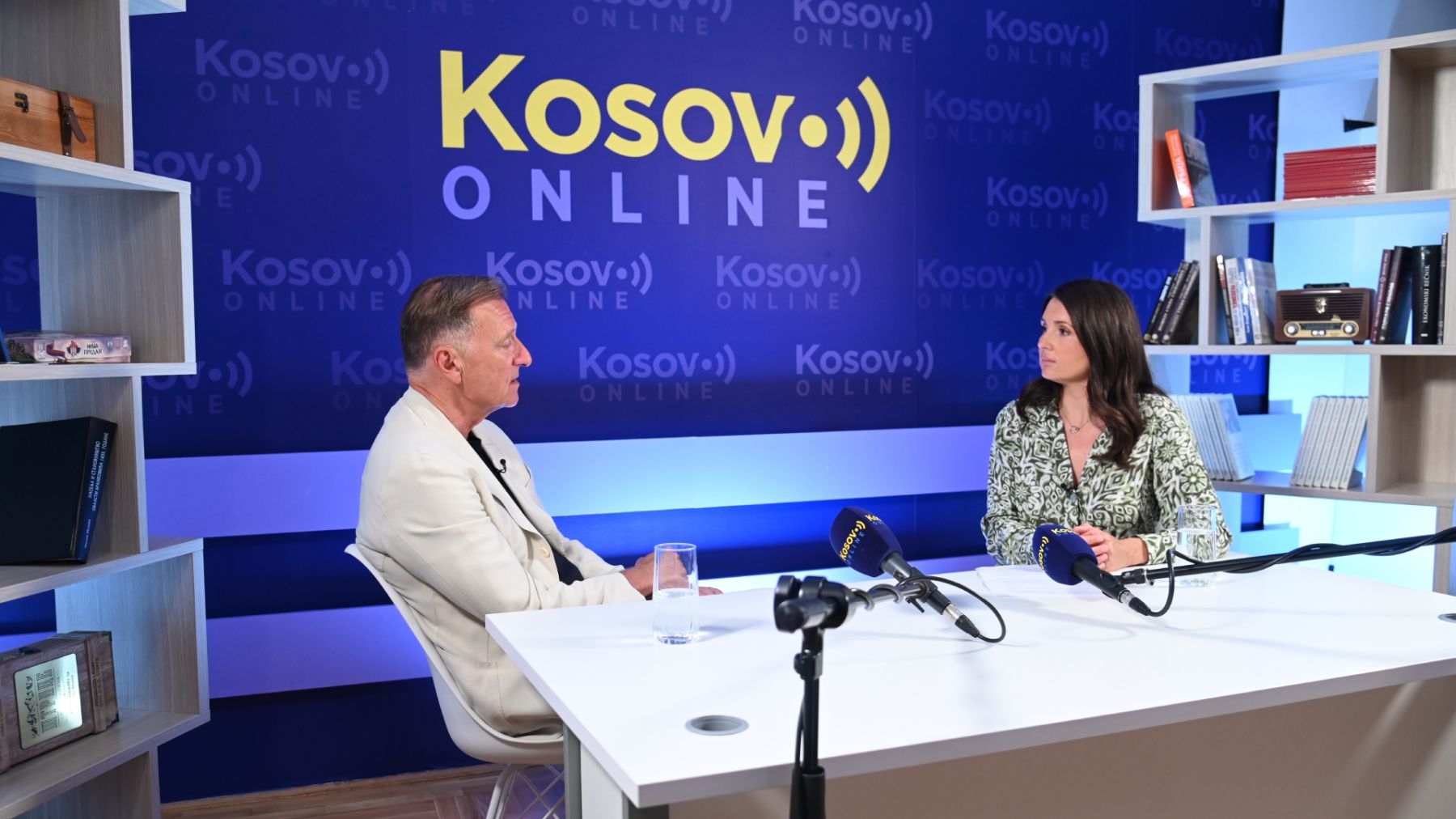
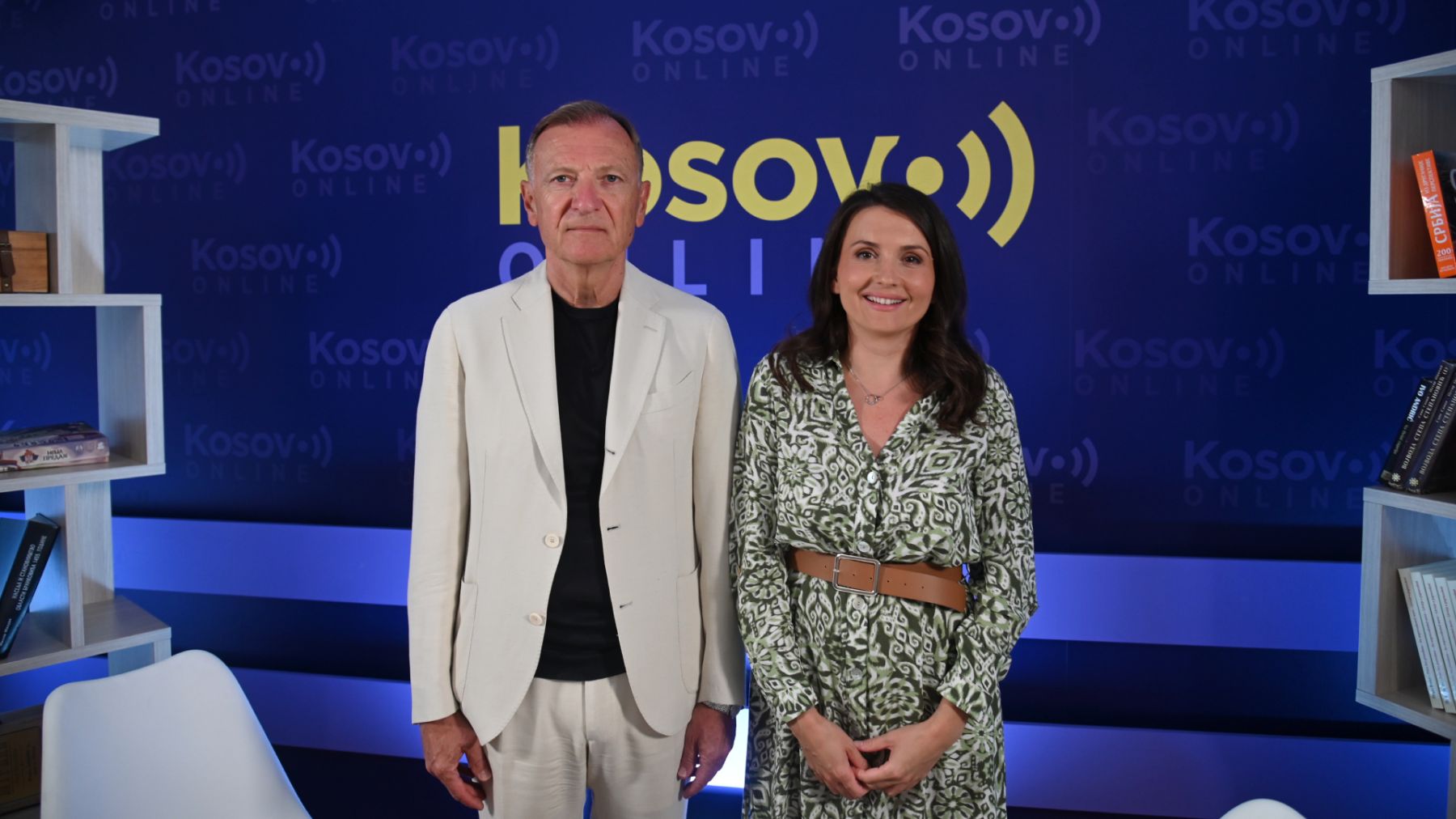
The full interview of Dr. Goran Milasinovic with Dragana Biberovic can be seen in the video attached to the original broadcast.

0 comments