
Summary of the Week 62
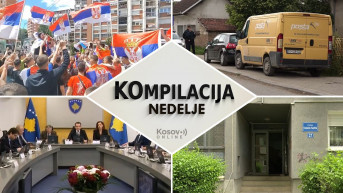
Obligations carried over from previous weeks remained unresolved even during this one. Despite being labeled priorities, it seems they will continue to demand attention. Meanwhile, other issues—ranked low on the list of importance—are being given precedence.
Once all major problems are resolved, it's logical to move on to everyday, lighter challenges. Or perhaps these lighter ones are merely a distraction from greater difficulties. This week, employees of the Sports and Tourism Organization in Leposavic found themselves in the midst of such a challenge.
“When we asked them about the documents, they told us: ‘We don’t have any paperwork.’ They simply can get away with it,” said Vladimir Lesevic, one of the employees in the now-occupied facility, describing an encounter with the Kosovo police.
First the takeover, then the justification—that was this week’s sequence of priorities. Still, the issue runs deeper than just sports and longer than a single week, as testified by those who have been complaining for two years now, ever since new mayors took office in northern municipalities.
“It just keeps getting worse. Nothing has changed or improved,” said one of the locals we spoke to.
“We didn’t know you were dissatisfied,” local authorities responded, adding that their priority is to fix what’s not working.
The mayor of Leposavic, Erden Atiq, explained:
“Those who are dissatisfied can, for example... we have a box where they can leave a note or criticism. Anyone can put something in there anonymously. And we will read it,” said Atiq.
But boxes don’t work so well in Kosovo. The ballot boxes were just emptied, and by all accounts, new ones are being prepared. Although it may seem like nobody is prioritizing that, all resources are reportedly being directed toward reaching a compromise on forming a parliamentary majority.
“This time, it turned out that buying MPs isn’t the solution,” summarized Milos Pavkovic from the Center for European Policy for Kosovo Online.
Finding a solution is difficult, especially when attention is divided among multiple challenges—including institutions that are being forcibly shut down. This week, residents of Priluzje had uninvited visitors.
“It’s not pleasant, that’s for sure,” said one woman from Priluzje. “They beat and arrest innocent people,” she added, voicing her fears.
New post offices, services, mail carriers—and new addresses. Adjusting to new street names, it seems, won’t be the only problem.
“If you look at everything the Kosovo authorities have done so far, I think renaming the streets is the next inevitable step,” said historian Petar Ristanovic.
Step by step, even if not always easy, the process in Kosovo continues toward its goal. And once that goal is achieved, the priority is to celebrate—this week, alongside graduates and brass bands.



0 comments