
Ambassador of Serbia to Switzerland: The image of bad Serbs and good Albanians is wrong and dangerous
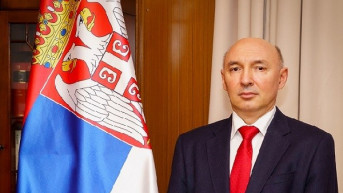
The Ambassador of Serbia in Bern, Goran Bradic, said that the Swiss media, when reporting on the situation in Kosovo, use a wrong and dangerous stereotype about bad Serbs and innocent Albanians, stressing that the picture cannot be just "black and white", the newspaper "20 minuta" reports.
Bradic told for the newspaper "20 Minuta", when asked if he agreed with certain assessments that the media often report on Kosovo in a one-sided and pro-Kosovo-Albanian way, he said that, as a diplomat and former journalist, he would assess that the Swiss media, unfortunately, use the wrong and dangerous stereotype – bad Serbs and innocent Albanians.
"Serbia and its leadership are wrongly accused of nationalism and destabilization attempts, as an alleged extended arm of Moscow. Speculations are spread, photos, videos or statements of people are used, which cannot be independently verified. There is no black and white picture, there are many nuances", the ambassador of Serbia pointed out.
Bradic said that, due to a series of measures taken by the Pristina authorities, contrary to the interests of the Serbs, as well as previously agreed agreements, there had been tensions in Kosovo in recent days. He explained that it was a dispute regarding license plates, the recognition of Serbian identity cards, numerous unjustified arrests of prominent Serbs, and the spread of fear and institutional bullying.
When asked if de-escalation in Kosovo was in sight, Bradic said that in the night between Wednesday and Thursday it was agreed to remove the barricades, which, he says, is certainly positive news.
"Those barricades are the result of the deep and long-standing dissatisfaction of the Serbs, because the status of the Autonomous Province of Kosovo and Metohija has not been resolved, and the signed agreements have not been respected," the ambassador pointed out.
When asked why Serbia did not recognize Kosovo, he answered that Serbia could not and did not want to recognize unilaterally and contrary to international law, the secession of Kosovo.
"According to the Constitution of Serbia, the UN Charter and UN Security Council Resolution 1244, Kosovo and Metohija is one of the two autonomous provinces within Serbia. Which country in the world would give up its territory," asked Bradic and reminded that more than 110 out of a total of 193 member states UN - did not recognize Kosovo.
To the statement that, above all, the Serbian minority lives in the north of Kosovo, and to the question of how they are doing, Bradic replied that the Serbs lived in a compact territory, under constant pressure from the authorities in Pristina. He also pointed out that the Serbs who lived in the central and southern part of Kosovo were in an even more difficult situation.
"These people live in so-called enclaves, although the term ghetto would be more appropriate," remarked Bradic.
He also pointed out that more than 220,000 Serbs and non-Albanians had been expelled from Kosovo since 1999.
Also, he added, more than 80,000 houses, apartments, and land belonging to Serbs were illegally alienated or stolen, more than 150 Serbian churches and monasteries were destroyed, and dozens of Orthodox cemeteries were desecrated, so even dead Serbs cannot have peace.
"Hundreds of villages and towns have been cleaned by Albanian extremists," the ambassador said.
When asked what kind of future he wanted for Kosovo, Bradic said that he wished all the citizens of the Balkans peaceful coexistence, reconciliation, peace and stability and a better future, as well as more jobs.
"I wish the citizens of Kosovo the life that the majority of citizens in Switzerland and in other countries in Europe have," Ambassador Bradic concluded.


comments