
Andric-Rakic: EU favors the option for elections that requires less time, it's certainly not a petition
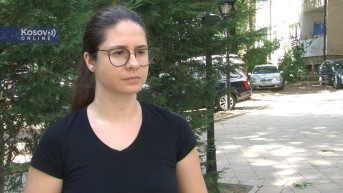
Milica Andric-Rakic from the non-governmental organization "New Social Initiative" emphasizes, after the Serb List expressed its readiness to participate in the elections, that the European Union has been clear from the beginning that it is up to Kosovo to decide how to proceed with the elections. Political analyst Ognjen Gogic points out that the positions of Belgrade and Pristina have changed after the events in Banjska.
Andric-Rakic stresses that it is crucial to understand that the idea of elections comes from the international community and its pressure on Belgrade and Pristina to hold elections as soon as possible for de-escalation.
"Also, the EU has been clear from the beginning that it is up to Kosovo to decide how to go about the elections but that they prefer an option that requires less time. That option certainly is not a petition that takes over three months," she says.
Andric-Rakic points out that there is another problem with the petition, and that is that the procedure could easily be declared illegal.
"Furthermore, the Minister of Local Government, Krasniqi, whose ministry prepared the administrative instructions for the petition for recall, stated that nothing was the same after Banjska, including the conditions for the petition," Andric-Rakic notes.
As a second option for elections, she mentions the resignations of mayors and councilors, although this option was unacceptable to the Kosovo Government even before September 24.
"For that reason, I personally don't see that the current mayors will complete their terms, despite the calls from the Serb List. and potentially other parties, for them to do so. In the unlikely event that elections happen, participation will be unconditional, but the assumption is that taking over mandates may be conditioned if there has been no progress on the formation of the CSM by then," she believes.
Political analyst Ognjen Gogic believes that President of Serbia Aleksandar Vucic's call for Serbs to initiate elections as soon as possible shows how much the positions of Belgrade and Pristina have changed after Banjska.
"While the international community and Pristina were dealing with the legal-technical aspects of dissolving local government bodies, the Serbian side was rejecting participation in new elections, regardless of how they were conducted – through resignations or a referendum. The Serbian side had other conditions for returning to the institutions, which primarily concerned the formation of the Community of Serb Municipalities," he recalls, adding that after Banjska, the Serbian side agreed to participate unconditionally in local elections and return to municipal institutions.
Regarding the path to elections, Gogic says that based on the statement from the Serb List, it could be said that they expect mayors and councilors to resign, but the question is whether Pristina will accept this.
"Pristina has rejected this before, and judging by the previous actions of the Kosovo authorities, it's difficult to expect them to make concessions and compromises with the Serbian side. What could be expected from them is that they might insist on petitions and a referendum because it would mean a complete collapse of Serbian politics in northern Kosovo," he says.
Gogic adds that it's also a question of how much the international community can pressure Pristina not to further complicate matters but rather facilitate a way out of the crisis, and the lifting of punitive measures that the EU imposed on Pristina could serve as motivation.
"However, an uncompromising stance from Pristina should be expected. Moreover, elections won't solve the issue of reintegration into the police and judiciary," he notes.



0 comments