
Antic: It is difficult to live in conditions where the dinar is abolished, especially for pensioners
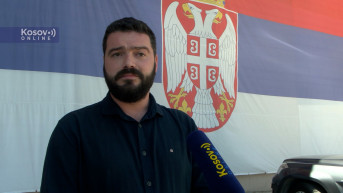
The authorities in Pristina, after banning Serbian products, are now also abolishing the dinar, and it is very difficult to survive and live in such conditions, Vladimir Antic, acting director of the City Museum in North Mitrovica, says for Kosovo Online.
He says that in the past three months since the Central Bank of Kosovo's regulation on abolishing the dinar came into effect, it has been toughest for the elderly and pensioners. He questions whether they have the financial means to go to Raska and back to withdraw the money they have earned honestly.
"There are crowds at the Postal Savings Bank, the only bank left after the closure of Komercijalna Banka. It is not hard for me to go to Raska because I'm young, but what about the elderly? People here have been suffering for over 20 years, we're almost living in a ghetto. There is a shortage of the groceries we are used to, there are alternatives, but that needs to be addressed. Our employees manage somehow; some go to Serbia to buy groceries and bring them back, while those who can't afford that buy what is available here," Antic notes.
Ljubisa Zubac from the Cultural Center "Dragica Zarkovic" says that this institution is struggling due to the decision to abolish the dinar, but they are trying to stay updated with the latest cultural events.
Regarding daily life, he mentions that the problem isn't just the unavailability of certain goods but also the amount of money circulating in the city.
"There's less and less money. People can't afford to buy and pay for big things. There are no Serbian goods here. People who go to withdraw money on the other side of the administrative crossing also buy something on the way and bring it back, but these are small quantities. Pensioners are the most vulnerable, and they'll buy some groceries to bring back, but it is hard for them," Zubac says.


0 comments