
Antonijevic: CoE parliamentarians sent a message that Kosovo has not fulfilled its obligation to form the CSM
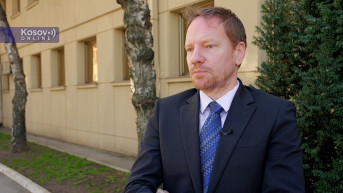
Parliamentarians within the Council of Europe are well aware of the current situation, particularly that Kosovo has not fulfilled the parts of the agreements it was obligated to implement, primarily regarding the formation of the Community of Serb Municipalities. By voting in the Political Committee of the Parliamentary Assembly of the Council of Europe (PACE), they aimed to send a political message that Kosovo must change its policy towards minorities and fulfill its commitments under the Brussels Agreement, legal expert Milan Antonijevic told Kosovo Online.
He was commenting on the outcome of yesterday’s vote in Paris, which resulted in the removal of Kosovo's request for special guest status in PACE from the agenda of the Political Committee.
Antonijevic notes that the results of this vote indicate that some countries that previously did not align with Serbia’s stance are now gradually shifting their position.
"I am primarily referring to Germany, the United Kingdom, and other countries that have recognized Kosovo but whose parliamentarians have changed their views. When we add to this the countries within the Council of Europe that have not recognized Kosovo, it presents a different picture compared to the expectations in Pristina. This also serves as a strong form of pressure on Pristina to fulfill its obligations, ensuring that the issue of human and minority rights protection is not politicized but genuinely prioritized by the Pristina government, which is not currently the case. There is a significant number of incidents being reported, and Council of Europe parliamentarians are aware of this. The Council of Europe itself has conducted analyses on the state of human rights, incidents, Pristina’s unilateral actions, and everything that we in Belgrade and the entire region clearly see and criticize," Antonijevic stated.
When asked whether yesterday’s majority stance could indicate how a vote might go in the Committee of Ministers of the Council of Europe if Kosovo's application for full membership were to be on its agenda, Antonijevic said it was difficult to make such predictions.
"Our diplomacy is working to present a clear picture of the relations between Belgrade and Pristina and the possible steps forward. Membership in the Council of Europe would be a significant step, especially given that Kosovo’s status remains unresolved. Only after a comprehensive agreement is reached can further discussions take place. At this moment, we are far from anything resembling a comprehensive agreement, full protection of minority rights for the Serbian community, and all the priorities that Serbia is firmly committed to and will not abandon," Antonijevic emphasized.
He also points out that countries that have not recognized Kosovo remain strong allies of Serbia within the Council of Europe, both due to their own interests and their support for Serbia.
"We can see that there are many developments beyond Pristina’s control, which indicate that there is no unified stance within the Council of Europe. The organization remains focused on its primary purpose, human rights protection, and its decisions reflect that," he concluded.

0 comments