
Antonijevic: It is Pristina's duty to enable Serbs to vote in Kosovo in December
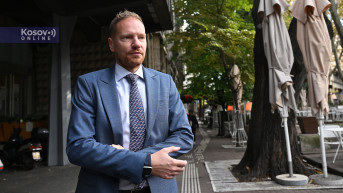
Lawyer Milan Antonijevic states that there is currently not much optimism that voting in the extraordinary parliamentary elections in Serbia, scheduled for December 17, will be allowed in Kosovo, and he says he hopes that, in the coming weeks, international pressure on the Pristina authorities, as well as potential negotiations on this issue, will yield results.
Antonijevic, speaking for Kosovo Online, notes that the international community has been quite vocal in the past when it demanded that elections for Serbian institutions be held in northern Kosovo and enclaves.
"I think that this is something that the OSCE will also support. We will see how much it will bear fruit. The Pristina authorities sometimes do not comply with these requests, and sometimes they assess that it is in their interest to do so. Given that the burden of the failure of negotiations lies with the Pristina authorities, there might be a small dose of optimism that elections will be allowed this time. However, coordinated pressure and many positive things that we have not seen from the Pristina authorities in recent months and years are needed for this," our interlocutor says.
The Office for Kosovo and Metohija has requested the OSCE's engagement in organizing and holding elections in Kosovo, delivering election materials to polling stations, and collecting ballots and transporting them after voting, following the procedures applied in previous election processes in Kosovo up to 2020. The OSCE responded that they are ready for this process but require the support of Kosovo institutions, as initially agreed between Belgrade and Pristina in 2012 with the support of the EU and the Quint.
"The OSCE was well-positioned on the side of Serbia as well and wanted to provide everything in their power for the elections to take place. But whether this will happen or if we will have some hybrid model is difficult to assess. This is truly about political issues, and Kosovo Prime Minister Albin Kurti often uses this. In the previous election cycle, he clearly decided to complicate the voting process for Serbs in Kosovo to show negative energy that is not needed at this moment. It is the duty of the Pristina authorities to enable everyone to vote and return to what we had in previous election cycles," Antonijevic says.
He also points out that the ban on holding elections can potentially be a source of new tensions.
"Every time you prevent the exercise of basic rights, in this case, the right to vote and be elected, you diminish the rights of Serbs in Kosovo. Wherever you live, you have the right to vote without difficulty, by crossing administrative lines or going to one of the neighboring municipalities in Serbia to vote. These are all issues that the Pristina authorities must resolve in a certain way. Regardless of the decision on Kosovo's status, everyone living in the north and enclaves will have the right to vote. Therefore, it would be good to find a model that will work as soon as possible. Either what existed in previous election cycles or create something even more acceptable to the Serbian community, making voting easier for them. I think that should be considered," Antonijevic emphasizes.
He adds that anyone currently considering denying Serbs in Kosovo the right to vote is not acting in the interest of the Serbian community or anyone who wants a normal coexistence in the region.


0 comments