
Arsic: Evidence points to unprofessional conduct by the Kosovo Police, our only guilt was being Serbs
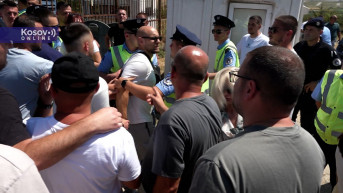
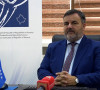
Predrag Arsic, a lawyer from Ranilug and one of the Serbs detained at Gazimestan on Vidovdan, said that the Kosovo Ombudsperson, who has launched an investigation into the alleged abuse of those arrested, now has the opportunity to issue a decision based on evidence indicating that there were serious violations of fundamental human rights. He stressed that those arrested had committed no offense other than being Serbs.
"I saw that the Ombudsperson has launched an investigation. He now has a free hand to examine all the evidence within the scope of his authority and issue a decision based on it. Given that the evidence we possess indicates that there were serious violations of fundamental human rights guaranteed even by the so-called Constitution of Kosovo, I believe this institution will not have a difficult task in establishing the dishonorable and unprofessional conduct of the police officers," Arsic told RTS.
He said those arrested bore absolutely no responsibility.
"There are no grounds for criminal charges, not even for what they are trying to accuse us of, nor for the misdemeanor for which we were convicted, namely disturbing public order and peace. Our only guilt was that we are Serbs," Arsic stressed.
He added that there is a political decision in Pristina that rights and the rule of law effectively do not exist and that, even where they do, they are not respected.
According to him, the actions were a repressive measure intended to intimidate the many people who came to Gazimestan from Montenegro, the Republic of Srpska, and central Serbia into, as he put it, "giving up on Kosovo and Metohija."
"I hope that will not happen and that even more of us will come next time. What they have done only demonstrates the weakness of the system," Arsic said.
Milica Radovanovic of the New Social Initiative said it remains to be seen what the Ombudsperson's investigation will conclude, adding that there are more than enough citizen complaints.
She explained that a group of non-governmental organizations had complained to the Ombudsperson about the unlawful conduct of the Kosovo Police in a number of cases because, for some time now, they have observed a pattern in which the police assume powers that do not legally belong to them.
She pointed out that the role of the Kosovo Police is clearly defined as maintaining public order and peace, but that the organizations have documented numerous cases in which the police have acted simultaneously as an administrative, executive, and even judicial authority.
"The police make decisions that should be made by administrative authorities, enforce measures without an enforcement order, and restrict citizens' rights without issuing a written decision or allowing them access to legal remedies. We are not talking about isolated incidents, but about a systematic pattern of conduct by the Kosovo Police that primarily affects the Serbian community," Radovanovic stressed.
Political scientist Ognjen Gogic said that the Ombudsperson is one of the few institutions in Pristina that performs its work professionally, maintains good relations with the Serbian community, and enjoys the trust of Serbs. However, he noted that its powers are limited, as it can conduct an investigation, establish the facts, and then issue a report and recommendations to the institutions, which are generally not binding.
"The Kosovo Police treat the religious event, the memorial gathering at Gazimestan, as a high-security-risk event. Strict measures are imposed, fences are erected, people are searched, they are allowed into a small enclosed area like a ghetto, while the police monitor what you are singing and then prosecute you. This was followed by expedited court proceedings against the 36 arrested individuals and severe penalties. It is a whole series of human rights violations," Gogic noted.
He therefore said that while the Ombudsperson can recommend someone's dismissal, it will not resolve the systemic problem, because a range of Serbs' human rights are being violated under the pretext of preventing the incitement of interethnic hatred.
Commenting on the lack of a stronger reaction from the international community, Gogic said it had distanced itself from these events through vague statements and calls for respect for freedom of expression and proportionate police conduct, but had failed to condemn the actions or declare them unacceptable.
"They always distance themselves from such cases and leave responsibility to the competent local institutions, overlooking the fact that it is precisely those institutions that are violating human rights," Gogic stressed.
Speaking about relations between Serbs and Albanians, he said that research he had conducted shows an increasingly wide gap, greater distance, and growing distrust between the two communities, though not as a result of their direct contact.
"The vast majority of Albanians are not bothered by the Vidovdan commemoration, nor are they even aware that it is taking place. The divide is created by the actions of the institutions when something like this happens. They portray Vidovdan as something that threatens Albanians, and that creates a deep divide between people. Politics drives people apart. Relations between ordinary citizens are generally tolerable, but the institutions persistently create division in Kosovo and Metohija," Gogic said.

0 comments