
Discussion in North Mitrovica on the position of the Serbian community and post-election challenges: Pessimism over resolving existential issues
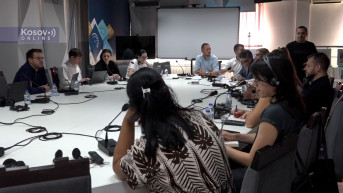
A discussion entitled "The Position of the Serbian Community Pending the Formation of Institutions: Challenges, Institutional Relations and Future Prospects", organized by the NGO Aktiv, was held today at the Civic Energy Center (CEC) in North Mitrovica.
During the discussion, representatives of civil society, the media, citizens, and political parties addressed the challenges facing the Serbian community following Kosovo's snap parliamentary elections, as well as the prospects for improving institutional dialogue after the formation of the new institutions.
Participants also referred to recent cases involving alleged violations of the rights of the Serbian community in Kosovo, including the arrests and alleged mistreatment of citizens by the Kosovo Police at Gazimestan on June 28, the demolition of weekend houses in the Cecevski bay area, as well as ongoing issues related to vehicle license plates and personal documents.
Zoran Savic of the NGO Aktiv said that the discussion focused on the position of the Serbian community throughout the pre-election, election, and post-election periods.
"We covered the most pressing issues. We discussed the future of the university, the future of the healthcare system and how developments in that sector might unfold. We also talked about local self-government in Serbian-majority municipalities in particular. We highlighted numerous examples where local authorities had been bypassed and where central institutions had taken decisions without involving the municipal assemblies. We also referred to the events surrounding Vidovdan, when 36 people were arrested, and discussed everything that happened on that occasion. We had witnesses who were present there. We also addressed the issues concerning the Rezala Camp and the weekend houses in Cevevo that have already been demolished or are scheduled for demolition. We sought to hear from our interlocutors how they see future developments and what they expect for the Serbian community once the new institutions are formed," Savic said.
According to him, the discussion revealed a prevailing sense of pessimism among citizens regarding the resolution of existential issues.
"The Serbian community has its own institutional mechanism through local self-governments, where the mayors are members of the Serbian community and the majority of municipal councillors are also Serbs. However, we have unfortunately witnessed cases where local self-government has been bypassed through certain decisions. Above all, despite the complaints submitted by both the mayors and the councillors, we still have no information as to whether any of these issues will be rectified. As a result, in around 80 percent of cases, people remain pessimistic, and they justified that view based on their previous experiences," Savic concluded.
The organizers stated that the conclusions and recommendations from the discussion will be consolidated into an analytical report to be submitted to the international community.



0 comments