
Besiri: The "Miredita, dobar dan" festival contributes to overcoming the war past
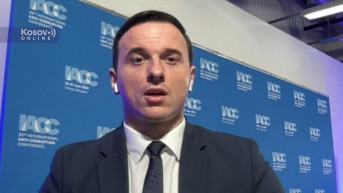
Naim Leo Besiri, the Executive Director of the Institute for European Affairs, says that the “Miredita, dobar dan” festival is one of the most significant festivals in the region dealing with reconciliation and that the date of its occurrence is absolutely irrelevant, which caused the controversies this year because part of the program was scheduled on Vidovdan. According to him, regardless of when this festival is organized, it sparks controversies and reactions, primarily from right-wing individuals who oppose the modernization of Serbia and peace in the region.
"I really don't know why the organizer decided to hold it at this particular time in June, possibly for procedural reasons. The fact that it is June 28th is absolutely irrelevant. On that day, Milosevic was also extradited, and people associated it with some symbolism. After all, there were much bigger street conflicts when it was organized in May, so the date itself does not dictate the behavior of the right-wing, but rather their personal hatred towards the festival," Besiri says.
He adds that the Youth Initiative for Human Rights, as the festival's organizer, does a phenomenal job of bringing together young people from Belgrade and Pristina, artists, journalists, and others from various fields to overcome the war past of the 1990s and create connections that will foster long-lasting peace between peoples in the future, especially between Serbs and Albanians, but also among others living in this region.
"It is one of the most beautiful festivals in the region, bringing together young people, artists from different fields, and all those good people who truly want to see their children live in a calmer environment that will promote prosperity and peace in the future, rather than thriving on hatred and mutual conflicts. If we consider the amount of money and manpower used in the civil sector to bring people closer together, compared to the money spent by the state, political parties, and politicians to undermine peace and incite conflicts in the region, the Youth Initiative for Human Rights and their 'Miredita' festival couldn’t have done more than they already have. I remind you that around 2005, it was almost heretical for a young Serb to appear in Pristina or for a young Albanian from Pristina to appear in Belgrade. Today, this is possible without major problems, except for the rhetoric we see today, which is truly concerning," Besiri notes.
He assesses that this festival, along with the programs of other organizations, has contributed to connecting young people who have, in the last ten years, become officials in high positions, ministers, and prime ministers who advocate for regional reconciliation, which is a tremendous success.
"What 'Miredita' has accomplished in the last ten years is of inestimable importance for peace in the region and is just the beginning, perhaps only scratching the surface, which is a prerequisite for long-term peace. Change takes time and is difficult, but it is possible," Besiri asserts.
Regarding the protests that accompany this festival every year, he notes that the right-wing in Serbia sees them as an opportunity to stoke nationalist sentiments among Serbian citizens to gain some political points among voters.
"The essence is that the right-wing has seriously lost in the last few elections, with the Serbian Progressive Party taking many votes from them, and they are trying to radicalize to appeal to the most radical part of the electorate in Serbia. They are not doing well, and the damage they cause to our society is precisely this hatred they often spread. 'Miredita' is an opportunity for both the political scene in Serbia and the civil sector to align: whether you are for reconciliation and establishing connections with our former fellow citizens or you still want to see wars and killings, with people continuing to emigrate in large numbers from Serbia and Kosovo. This is an opportunity for everyone to clearly declare themselves and say 'no' and to clearly name what happened in the 1990s and distance ourselves from it. This is the only way societies can move forward," Besiri believes.



0 comments