
Collaku: The foundation of the Franco-German proposal is the CSM and the status of the Serbian Orthodox Church, but not mutual recognition
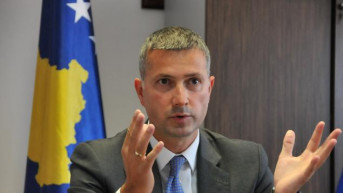
Analyst Bekim Collaku says that the Franco-German plan essentially does not contain mutual recognition and therefore does not meet the goals and expectations of Kosovo for a final and legally binding agreement with Serbia, Klan Kosova reports.
"Kosovo is facing a fait accompli because the prime minister accepted the Franco-German plan and is obliged to participate in the development of the implementation plan because the opportunities for negotiation have now ended. I think that a fundamental mistake was made by our government from the very beginning, which accepted this plan not leaving open the possibility for negotiation and improvement," Collaku said.
He said that the basis of the European plan was the formation of the Community of Serb-majority Municipalities and the formalization of the status of the Serbian Orthodox Church in Kosovo.
"At the heart of the European plan is the establishment of the Community of Serb-majority Municipalities in Kosovo and the formalization of the status of the Serbian Orthodox Church in Kosovo. In the meantime, mutual recognition is unfortunately not part of the plan," Collaku said.
He adds that the European plan can be considered a good basis for starting negotiations with Serbia, but that, according to him, it should not be accepted without the possibility of improvement.
"The prime minister leads the government and his decisions must reflect the political will of his cabinet and the parliamentary majority. Moreover, he would have to be guided by the state and civil interest in his decisions. As it is accepted, this plan has many difficult implications for Kosovo, there are many question marks regarding international guarantees and eventual benefits. While the weakest point of this plan is that neither a final agreement nor mutual recognition is assured," Collaku said.
He states that the situation is depressing because there is no mention of the final agreement with Serbia as the last stage of the talks.
"This situation is depressing and best illustrates the state of the dialogue process. It is now clear that in the absence of the political will of Kurti and Vucic for a final agreement, the mediator in the talks, that is, the EU, is committed to another order agreement that will produce a new status quo. Therefore, there is no final agreement," Collaku said



0 comments