
Conference on the suffering of Roma in Kosovo: An ongoing exodus

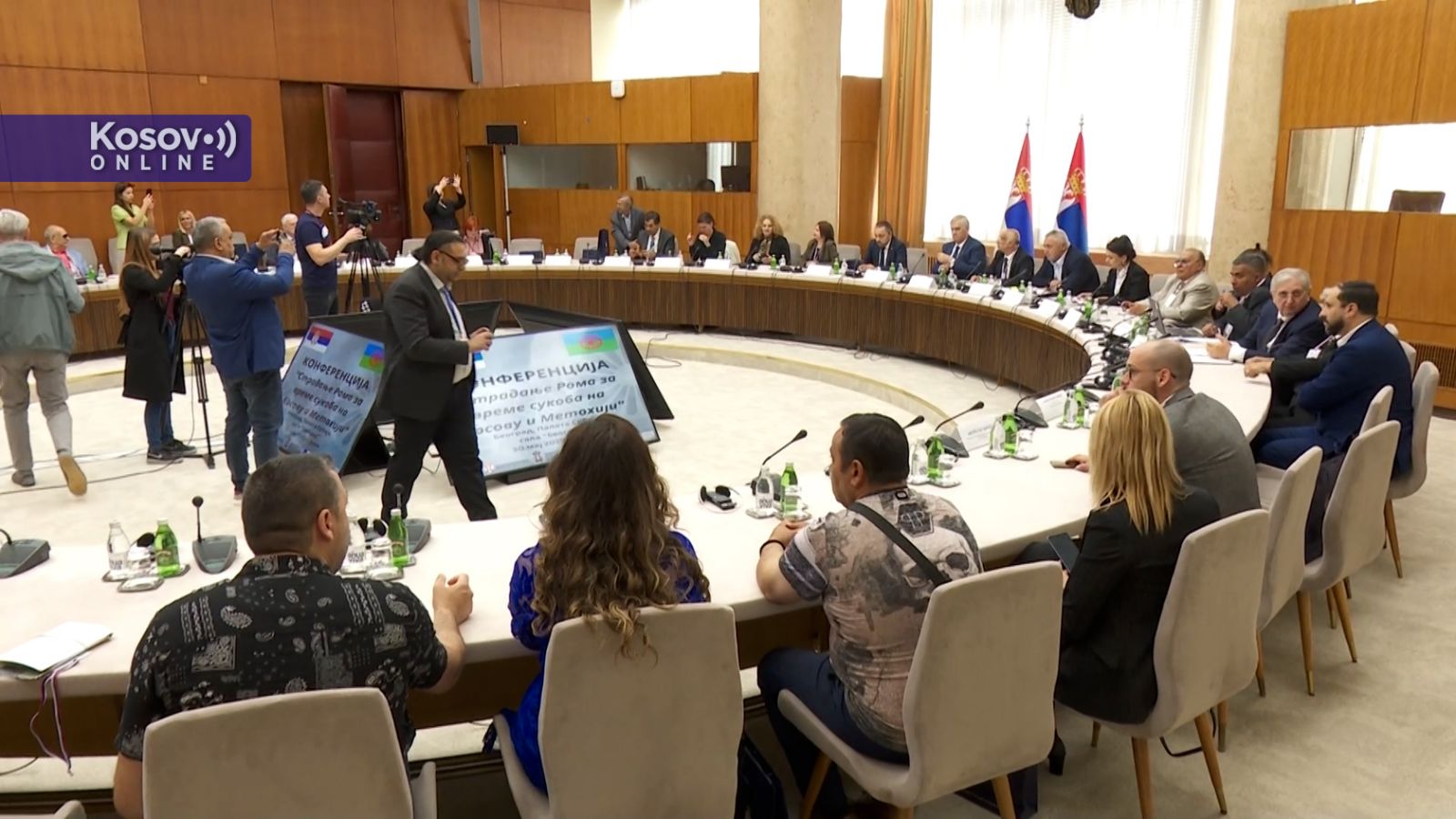
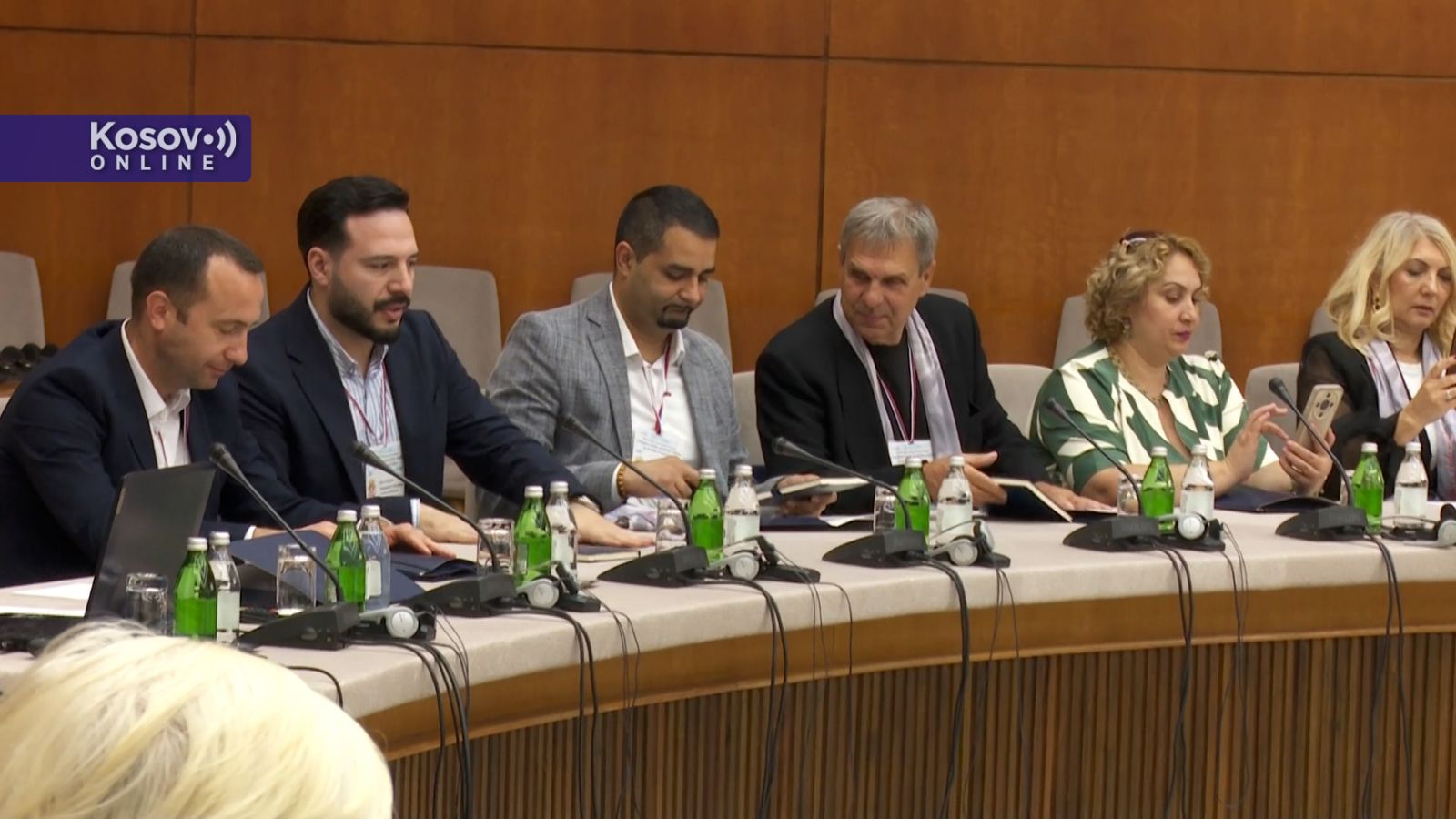
Even 26 years after the end of the war in Kosovo, there are still no accurate records of how many Roma were killed in 1999 and the years that followed, and these crimes have no judicial outcomes. Between 120,000 and 150,000 Roma left Kosovo during that time, and very few have returned. Currently, they face a silent exodus and an inability to exercise basic human rights, it was stated at a conference on the suffering of Roma during the 1999 conflict in Kosovo, held today in Belgrade.
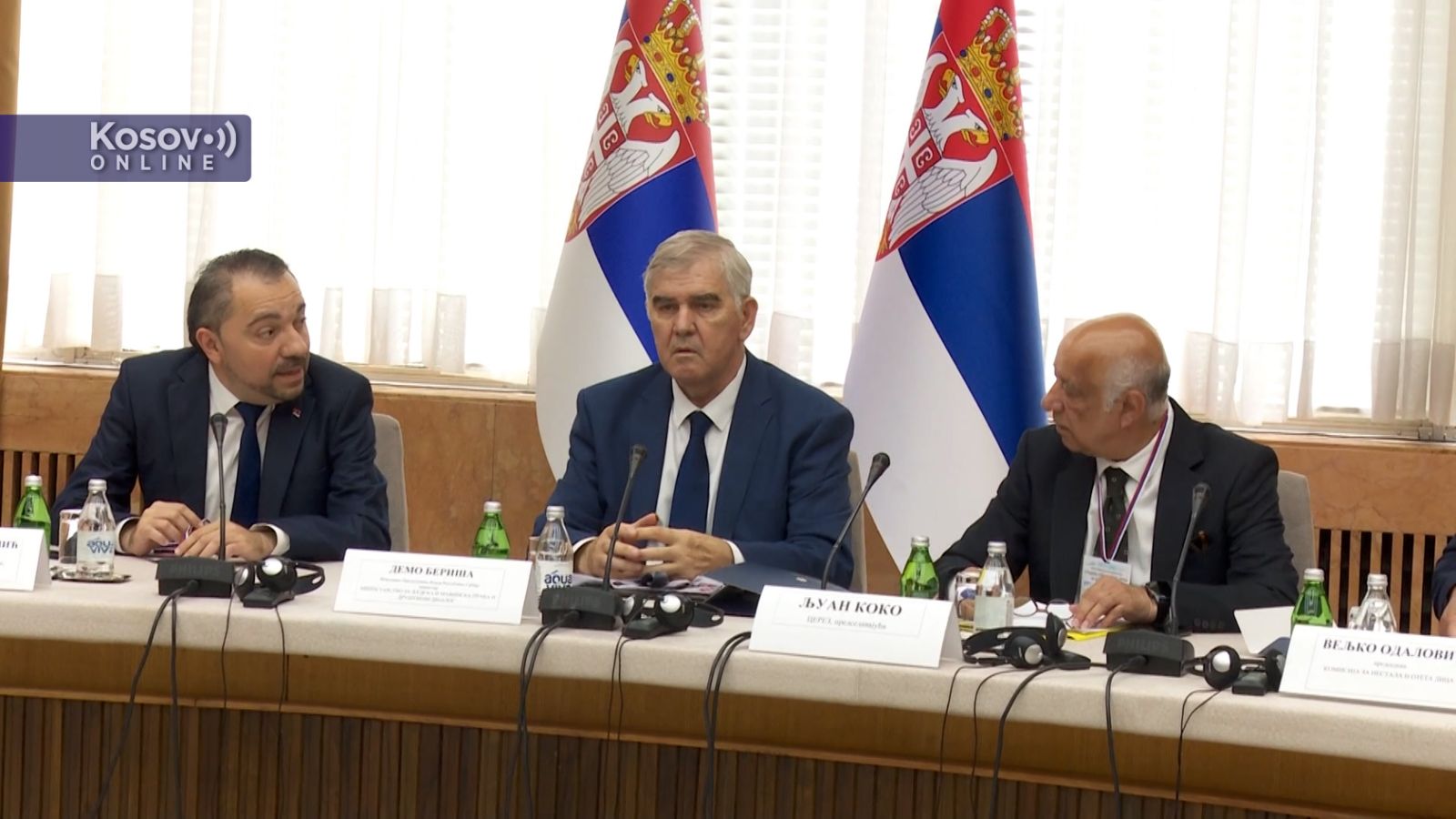
The President of the Commission for Missing Persons of the Serbian Government, Veljko Odalovic, emphasized that the Roma experienced an exodus in 1999 and in the years that followed.
"This exodus continues to this day. The suffering in the territory of Kosovo and Metohija unfortunately shows that the Roma community was neither protected nor preserved. On the contrary, they were openly left as targets of the so-called KLA, which also viewed them as a problem. Roma suffered just as the Serbs and other non-Albanian communities did. Even some Albanians suffered because they were identified as not aligning with the KLA’s goals," said Odalovic, adding that a significant number of Roma are still listed as missing.
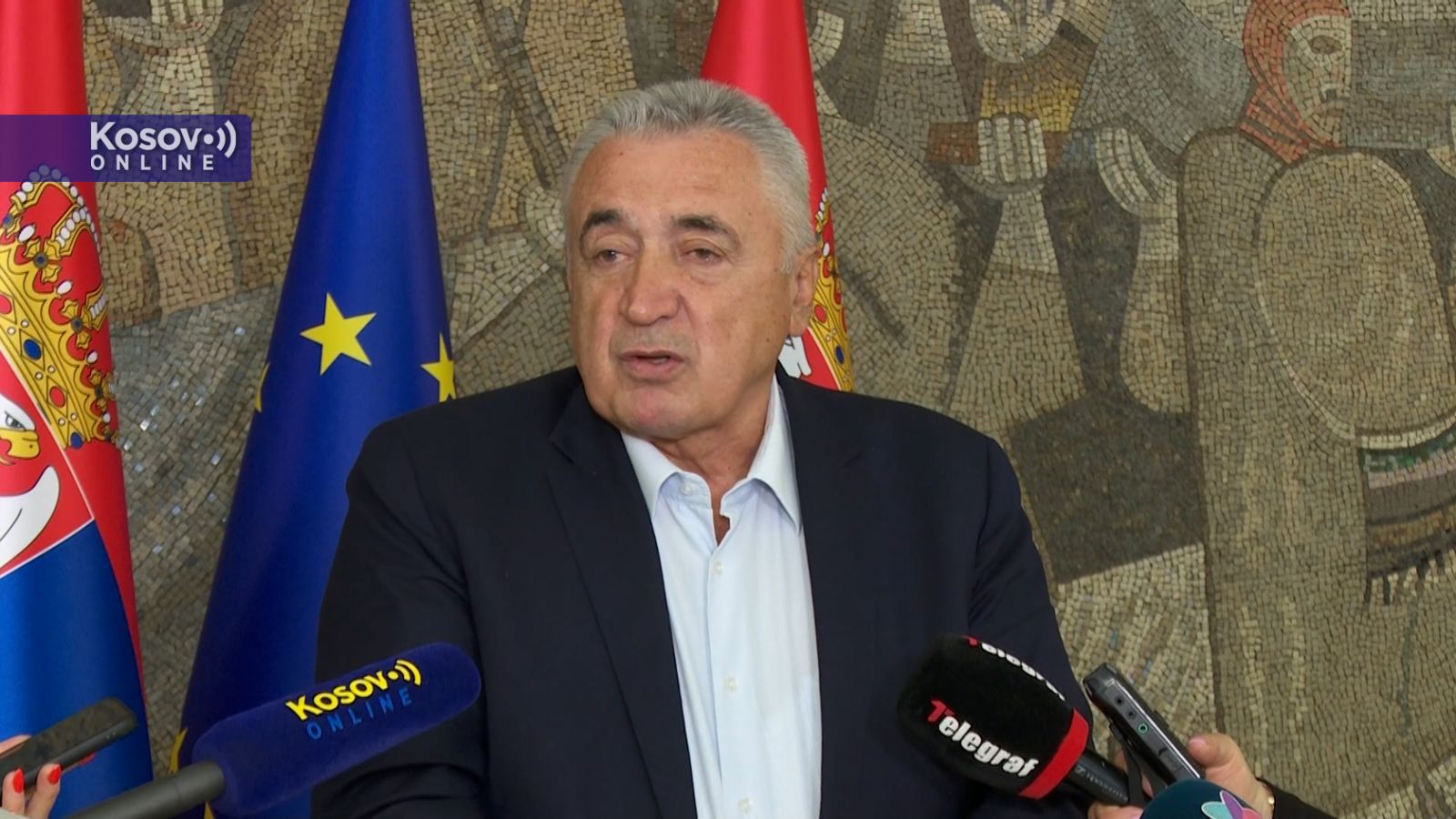
Minister for Human and Minority Rights and Social Dialogue, Demo Berisha, stated that alongside the Serb community, the Roma are currently the most endangered population in Kosovo.
"I’m very well informed about all the hardships the Roma population faced then and what they’re facing today. We cannot forget those members of the Roma population who still live in Kosovo, because they, along with the Serbs—who are the most endangered—also endure extremely difficult circumstances. They need help and support from the Government of Serbia, and they will receive it," said Berisha.
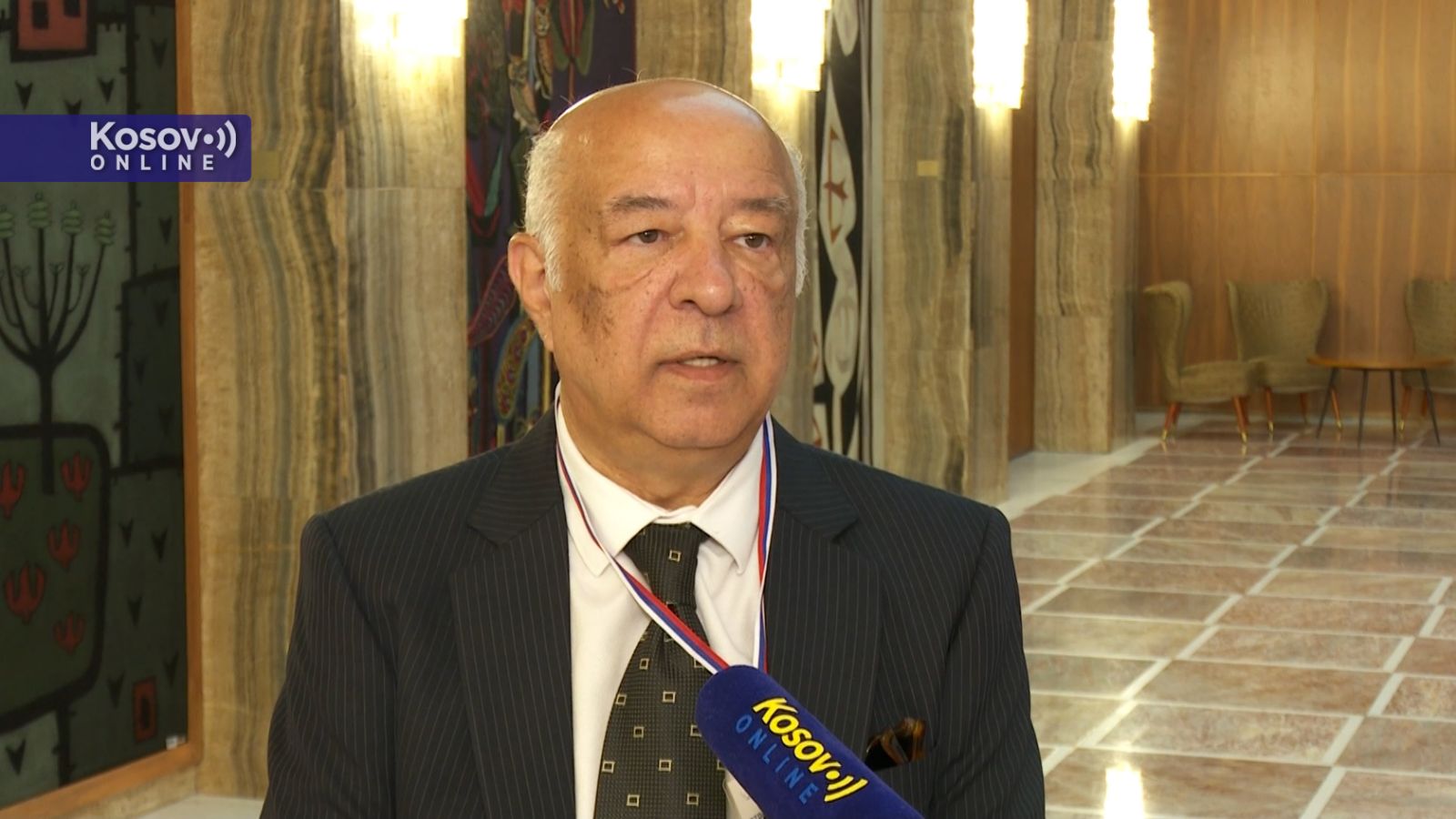
President of the Center for the Education of Roma and Ethnic Communities, Luan Koko, told Kosovo Online that the essence of the conference was to highlight the fate of the murdered, kidnapped, and missing Roma.
"Unfortunately, even after 26 years, we don’t know how many Roma were killed. More than 120,000 Roma left Kosovo, and over 80 percent of them are now in the West," Koko said.
He added that fear and depression still prevail among the community.
"What’s most important to us now is to break this ‘loud silence,’ to rise in the name of innocent victims who suffered just because they were Roma," he emphasized.
He added that the situation from 1999 is repeating today.
"We see what the Serbian community still living in Kosovo is going through. The Roma community shares that same tragic fate," he specified.
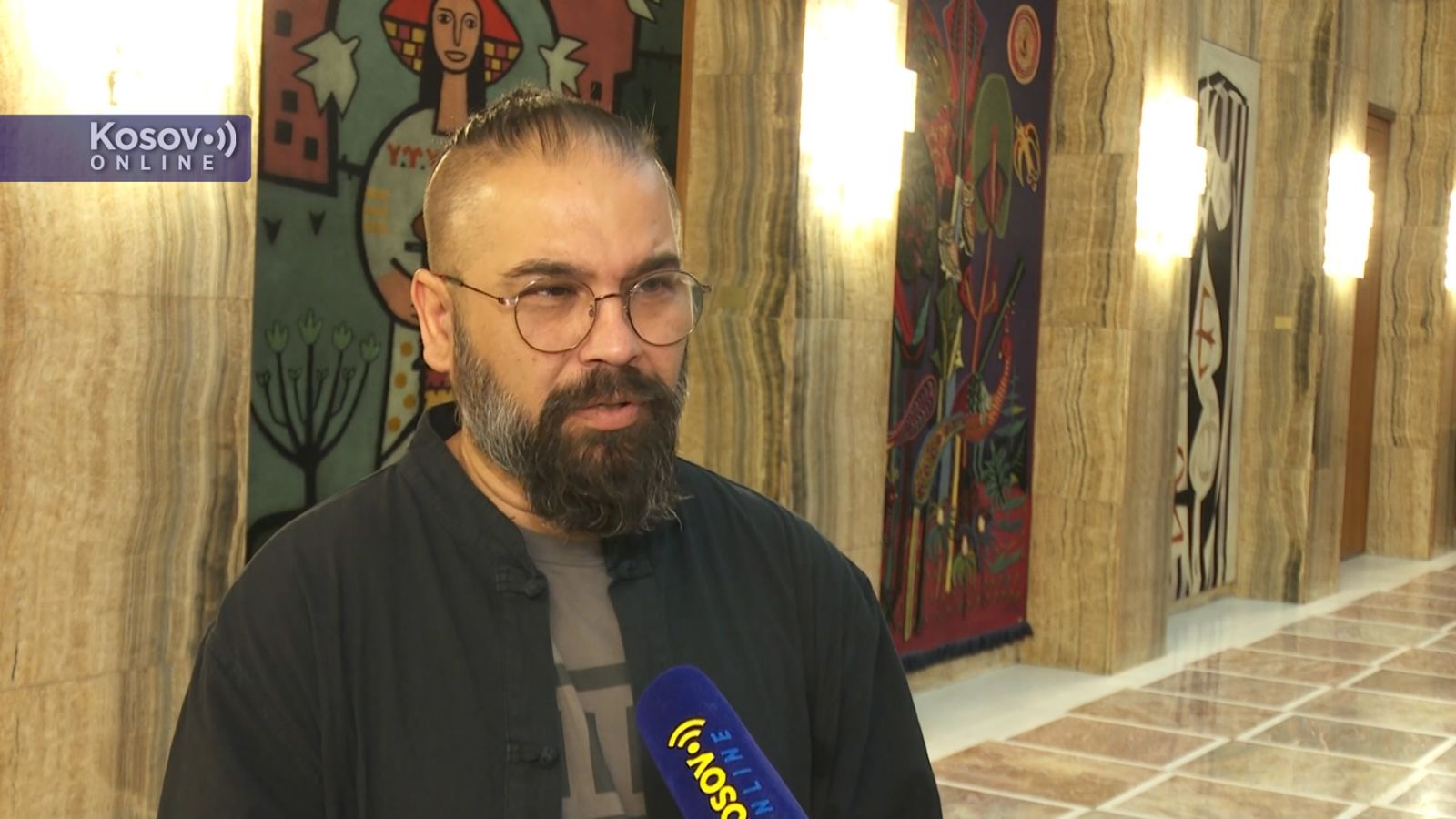
Politika journalist Zeljko Sain pointed out that the Roma in Kosovo in 1999 experienced a cultural genocide that the West continues to ignore.
"This is a marginal issue for them and hasn’t been addressed in a proper way. As part of that silence, we are witnessing a cultural genocide occurring in all directions, especially on the political level," said Sain.
He added that ethnic cleansing is happening simultaneously.
"In that context, we have a large number of Roma emigrating, along with large numbers of Slavs and Serbs, whose cultural and spiritual foundations were established right there," he emphasized, adding that the Roma today are experiencing the same fate they did during World War II.
President of the Roma Association Center Germany, Kenan Emini, emphasized that the Roma experienced the largest exodus since World War II in 1999.
"It was a catastrophe because 150,000 Roma were expelled from Kosovo and are now scattered. We lost our homeland, and that’s also tied to our culture and identity," Emini stressed.
He reminded that Roma have never been recognized as refugees in Western countries and warned that Europe still remains silent about the Roma pogrom.
"There’s no significant interest in the West. NATO countries were involved in everything, and it doesn’t serve their interests to talk about it. But that’s why we’re here, the Roma community, and it’s very important to speak about this not only in Serbia but also in the diaspora," Emini said.
Entrepreneur from Urosevac, now living in Germany, Vlado Vuckovic, emphasized that the Roma in his city survived a true exodus in 1999, during which they were killed in the most brutal ways, and their property was looted and burned.
He explained that he’s been in Germany since the 1990s and that he owned a number of cafés and shops in Urosevac. Everything was looted and burned in 1999.
"Kosovo Roma are hardworking and wealthy people, not beggars. That was exploited. My neighbor contacted me when people were looting my yard. I sent 25 tons of various technical equipment from Germany. It was all stolen. Every house was robbed, destroyed, and eventually burned. My 460-square-meter house was set on fire, as well as my café and two retail shops," Vuckovic said.
The worst fate befell his business partner Ekrem Sabani, whose house was located near an elementary school.
"He was in Belgrade, and they lured him back to Kosovo, claiming there was a water leak in his basement. When he arrived in front of his house, they beat him to death. And that wasn’t enough. They took him to a livestock market and tore him apart using two tractors. Believe me, every child knows this. To this day, we know nothing about him—not even enough to bury him," emphasized Vuckovic.
He added that Sabani’s children tried several times to uncover the truth, but kept encountering closed doors in Pristina’s institutions.



0 comments