
Djuric: Serbs in Kosovo and Metohija are subjected to systematic harassment
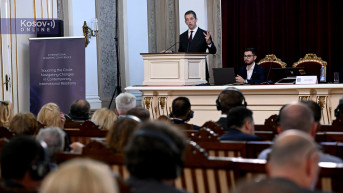
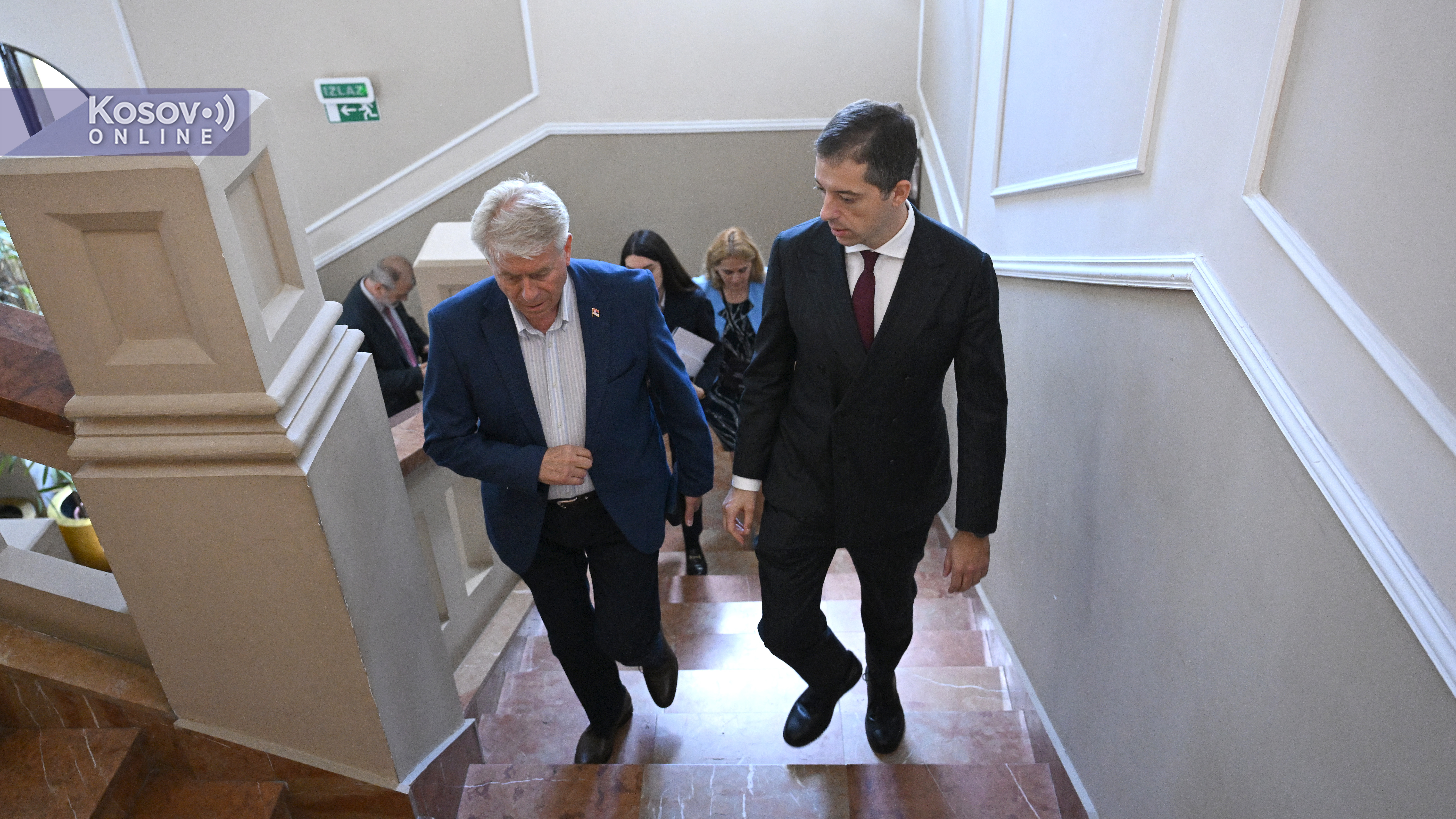
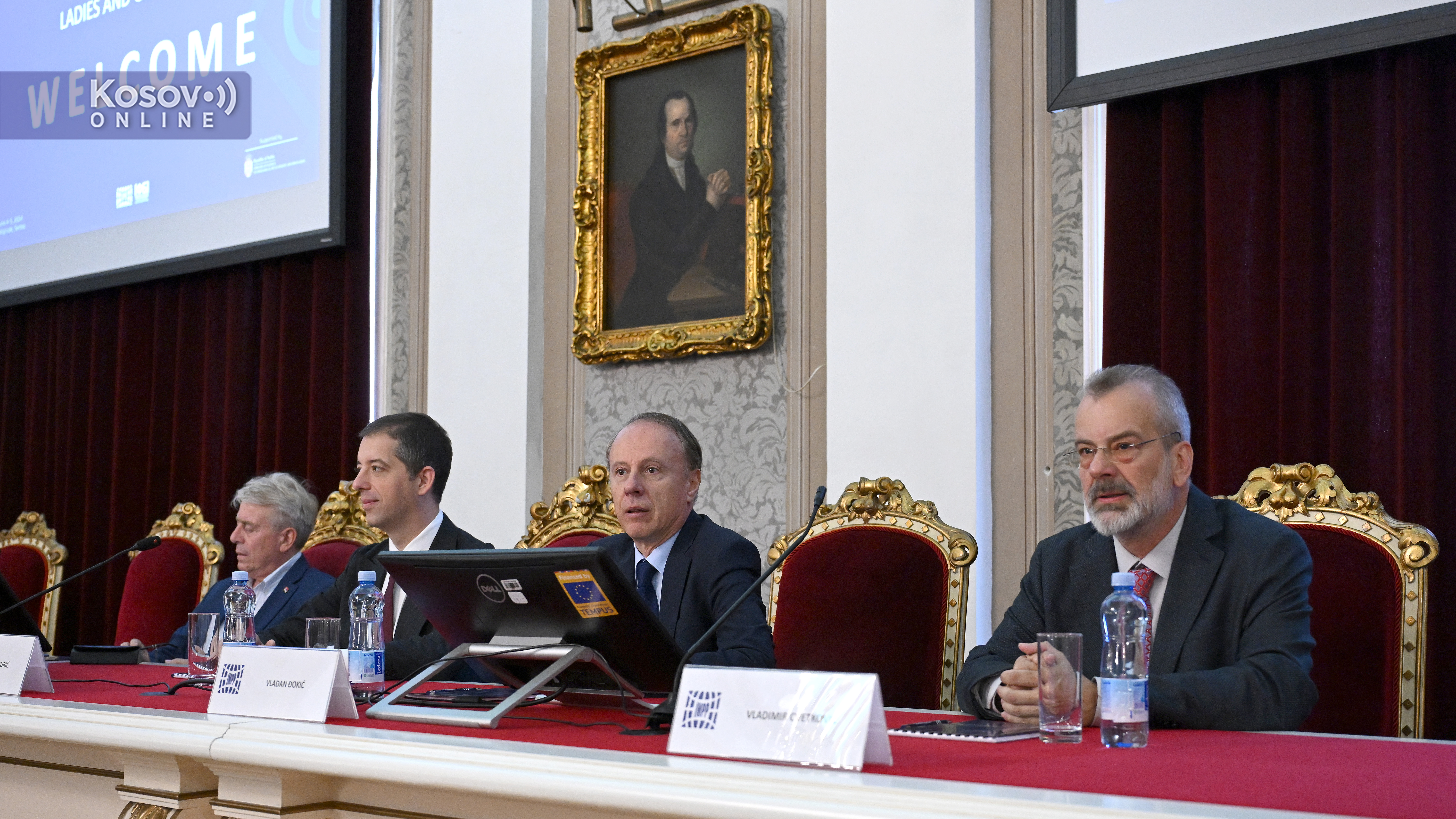
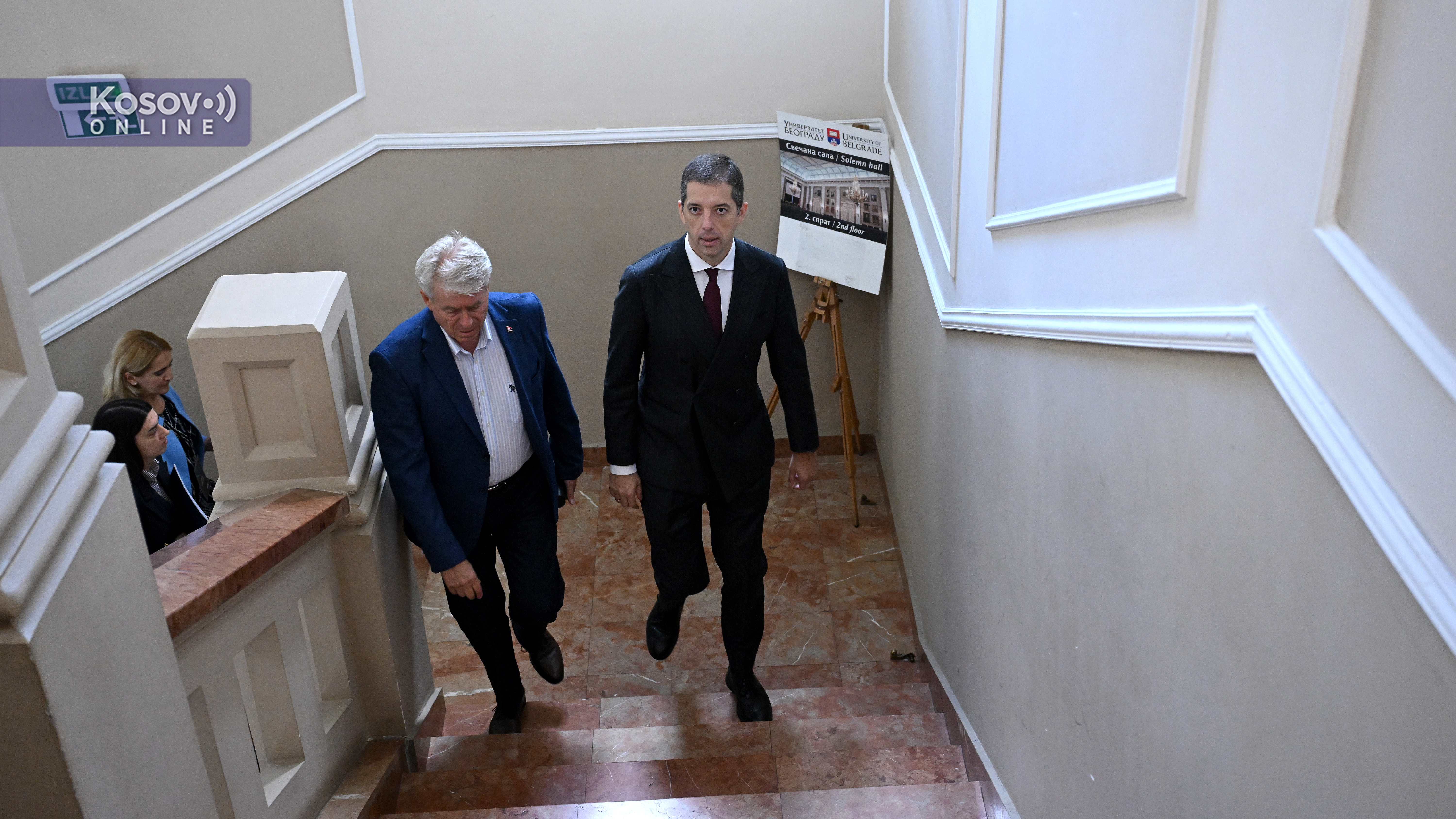
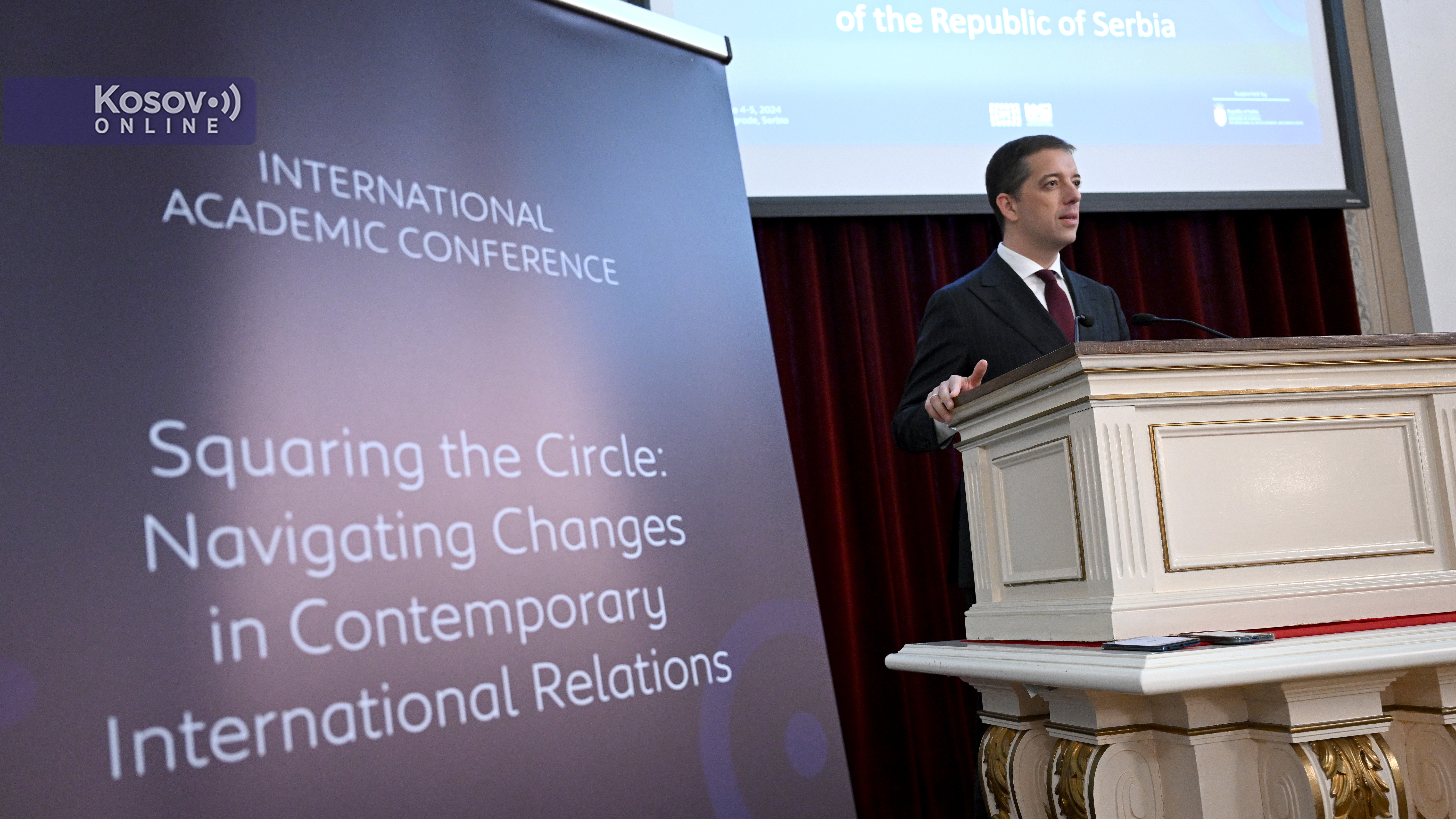
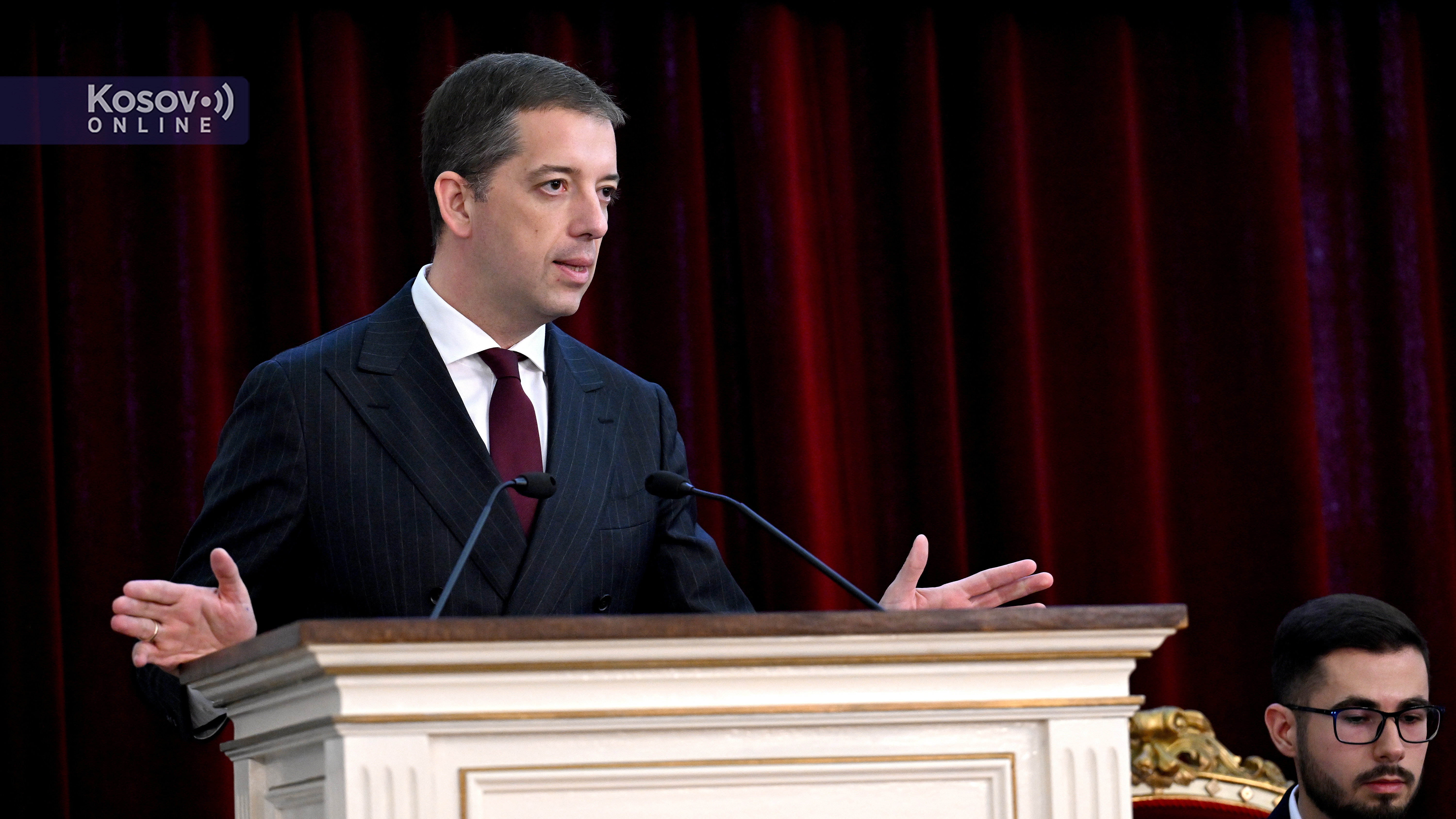
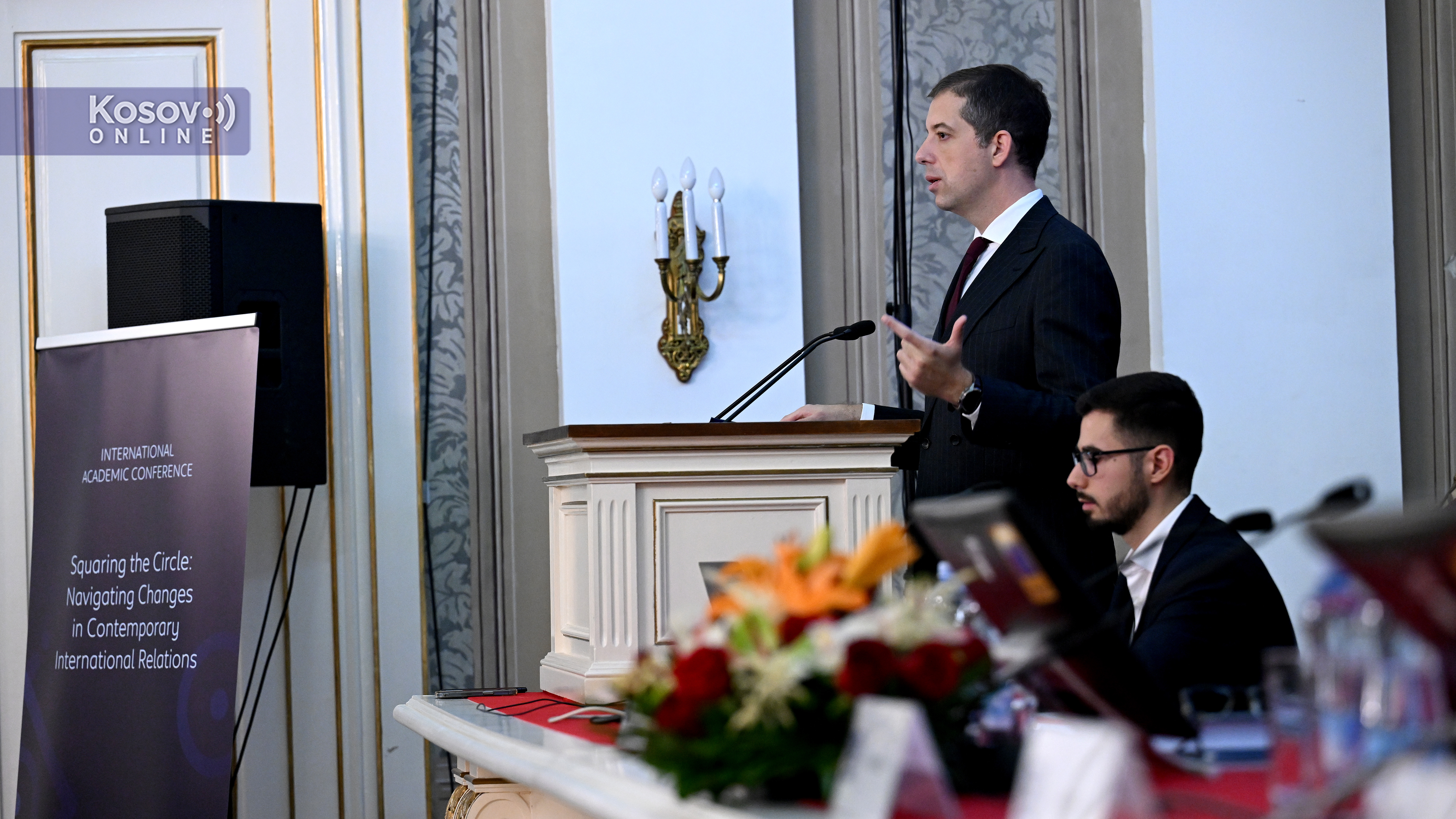
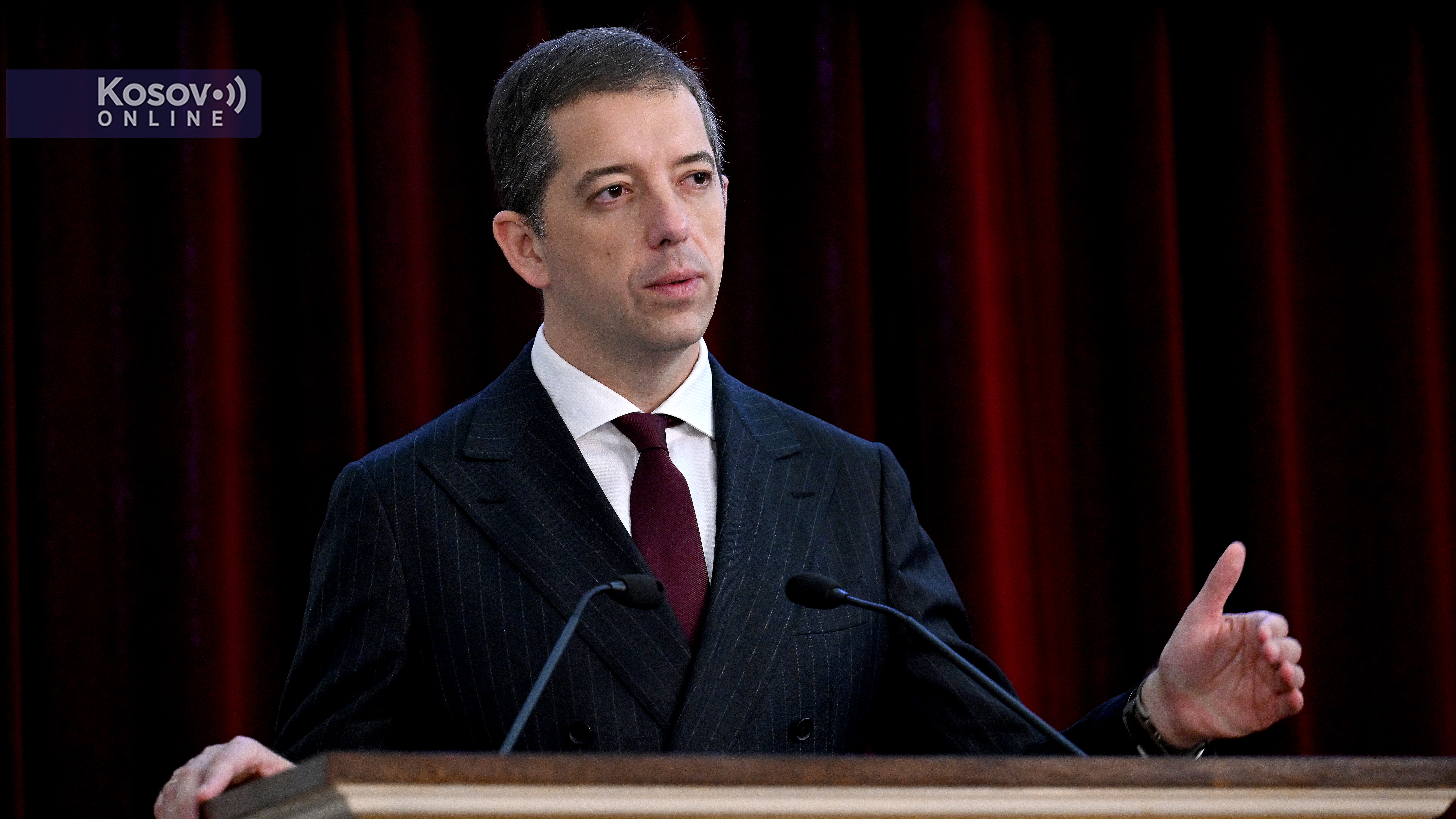
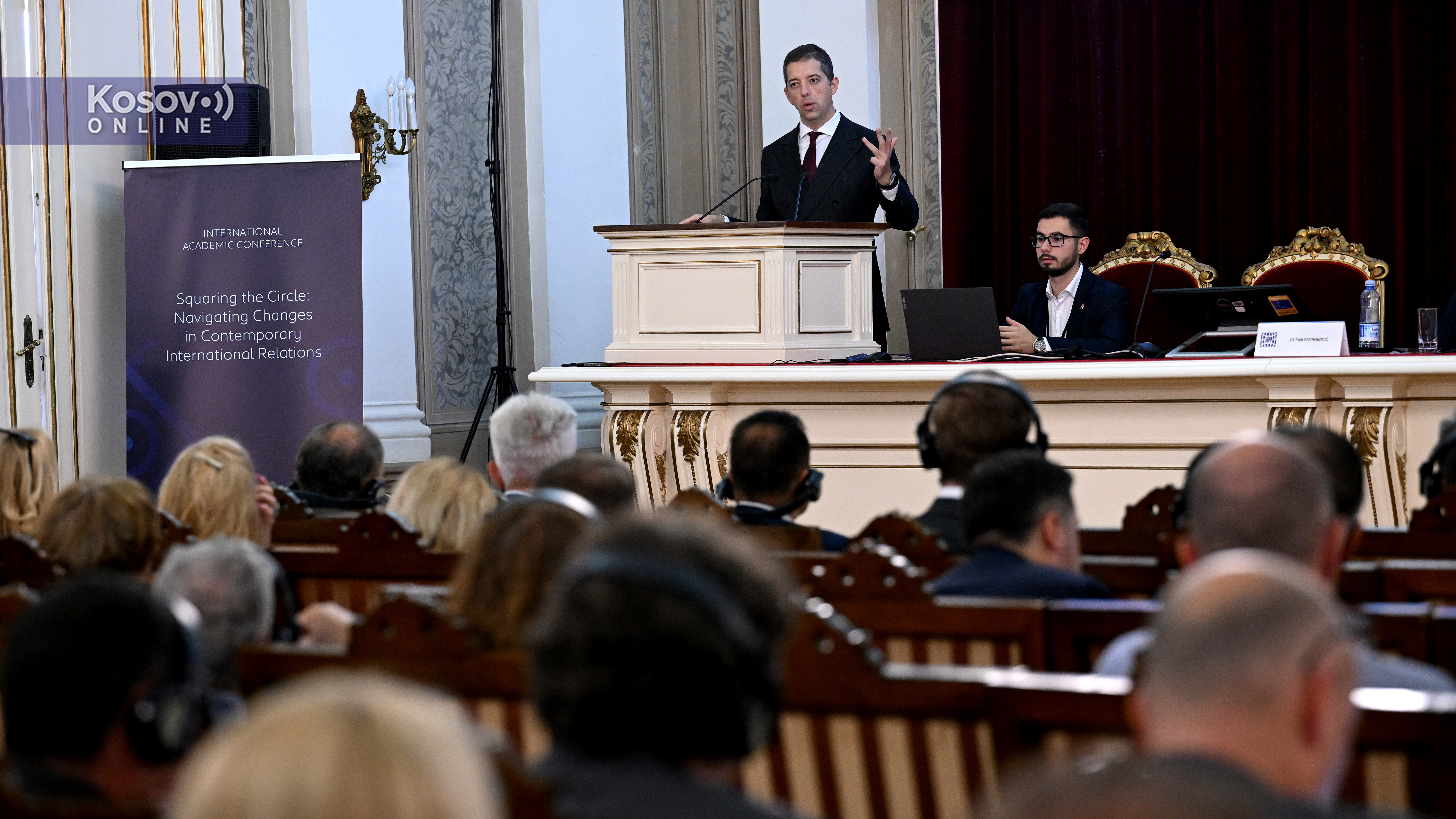
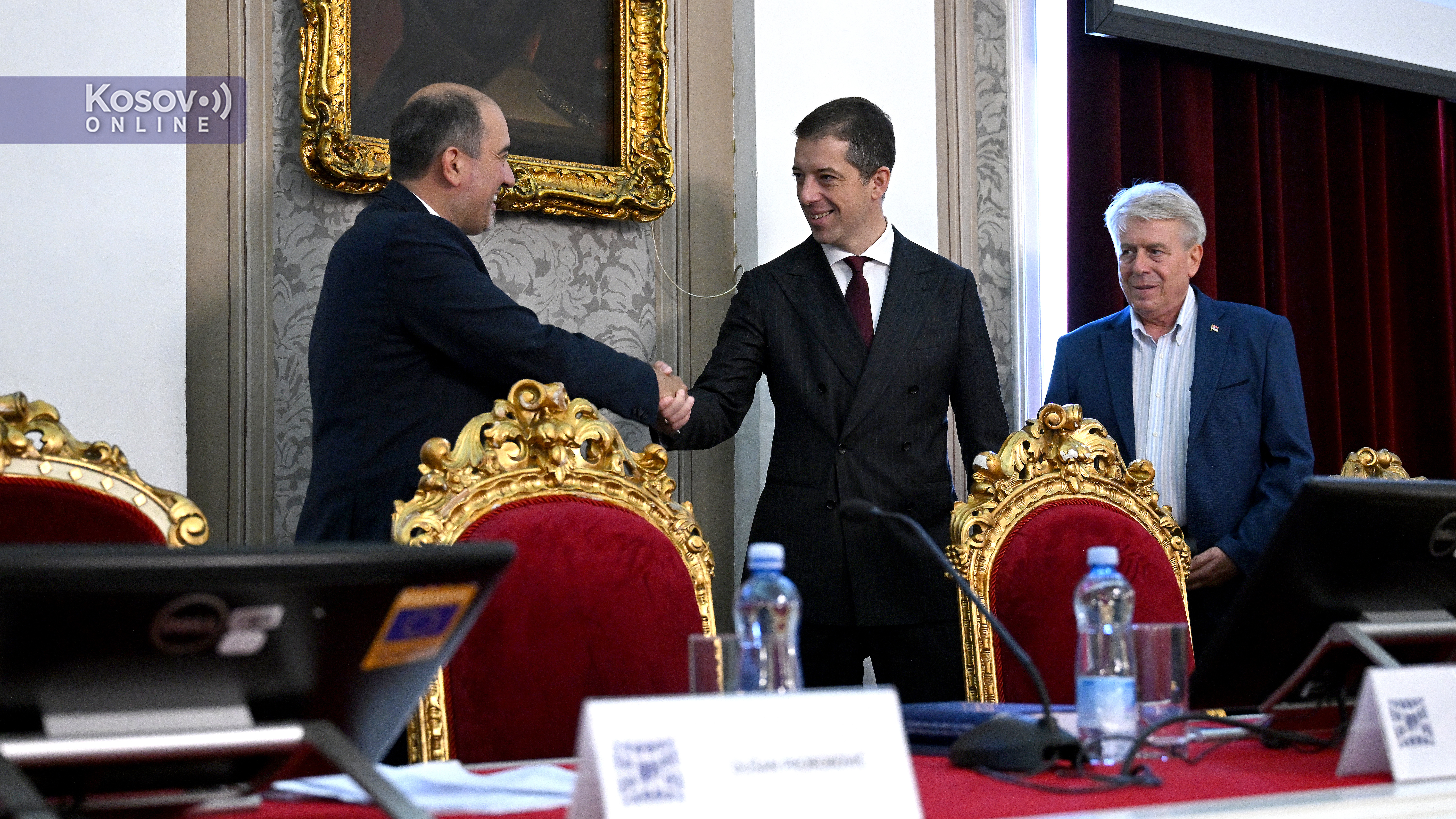
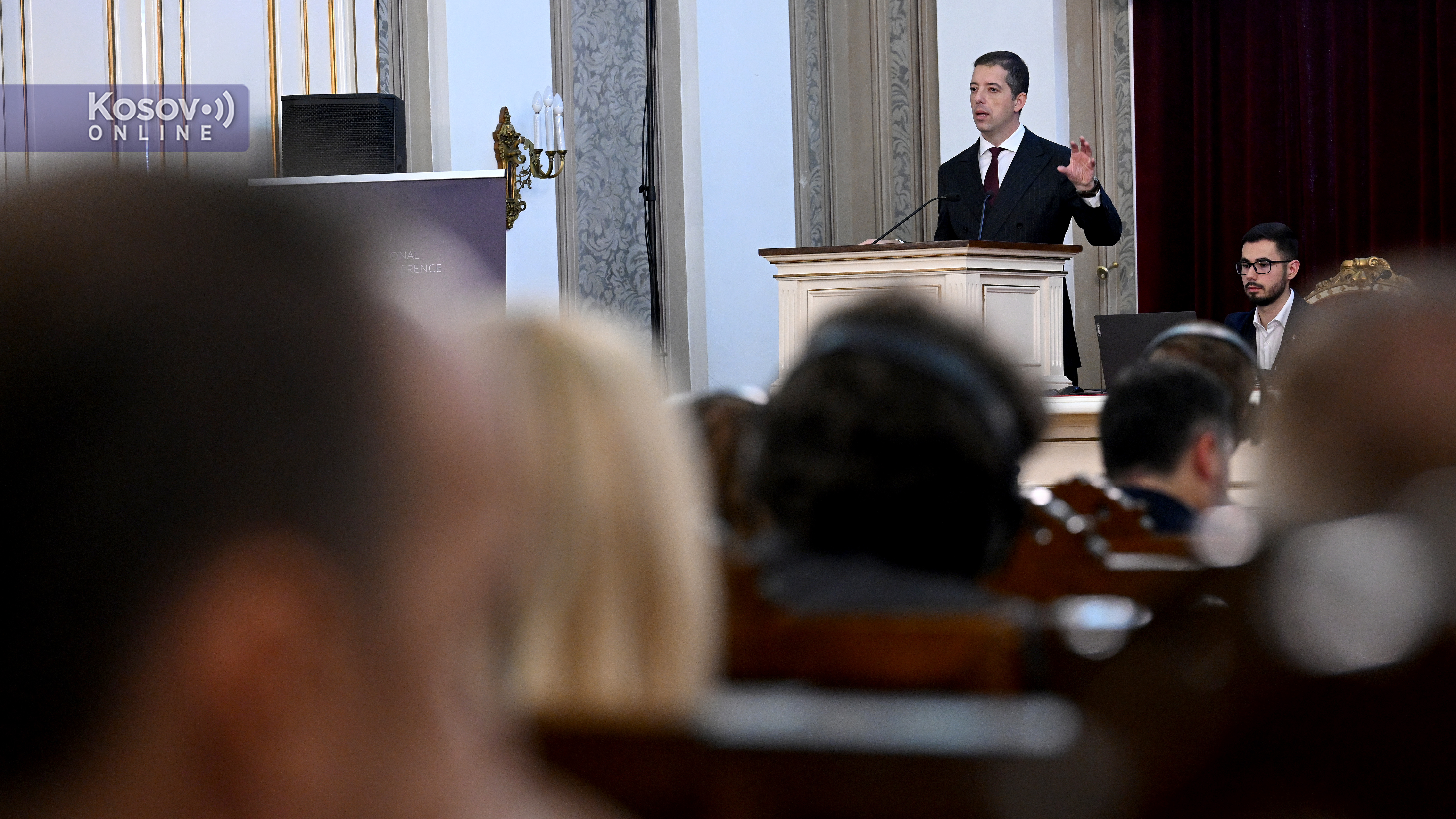
Serbian Minister of Foreign Affairs Marko Djuric stated at the conference "Squaring the Circle: Navigating Changes in Contemporary International Relations" that Serbia had suffered a historical injustice with the unilateral declaration of Kosovo's independence. He emphasized that this was not the worst thing that had happened to Serbia but that the ongoing systematic harassment of Serbs in Kosovo and the violation of their collective human, political, and economic rights were even worse.
“In 2008, Serbia suffered a historical injustice with the unilateral act of the parliament in Pristina proclaiming the so-called unilateral declaration of independence of Kosovo. In Serbia's case, both domestic and international law were violated,” Djuric said, opening the conference.
As the head of Serbian diplomacy pointed out, in the territory of the Republic of Serbia, neither in 2008 nor before or after, was there any "legitimate and democratic expression regarding the status of the southern Serbian province."
"There was no such legitimate and democratic expression even within our southern province. The unilaterally declared independence of Kosovo is a gross violation of international law, but unfortunately, that is not the worst that has happened to us. The worst that continues to happen is the severe pressure on non-majority communities, especially the Serbian community in Kosovo and Metohija, which is subjected to systematic harassment and the violation of collective human, political, and economic rights," he emphasized.
Djuric believes that this topic deserves not only study but also public and clear statements from the broader academic community.
Speaking about the global situation concerning security challenges, Djuric noted that the world has been facing extremely difficult, unpredictable, and unstable circumstances, as well as serious challenges and crises that are becoming more numerous and complex.
According to him, the war in Ukraine, the escalation of conflict, and the humanitarian catastrophe in Gaza, as well as the significant increase in the risk of terrorist threats, testify to the serious endangerment of global peace and security.
At the same time, Djuric pointed out, we are facing serious consequences of economic, energy, and climate crises, and it is certain that solving these problems, as well as the challenges of migration and social and economic inequalities, will remain in focus for the entire international community.
The Serbian Foreign Minister believes that coordinated action by all relevant actors is necessary for the world to successfully cope with all these challenges and that new approaches and methods must be continuously developed to enable an effective response to increasingly complex international circumstances.
“This is especially important considering that everything I have mentioned cannot bypass the region in which we live. On every occasion, we emphasize how important the stability of our region is to us, the improvement of cooperation, and the nurturing of the best possible neighborly relations,” Djuric stressed.
In this context, he reminded that in his speech in September 2019, Serbian President Aleksandar Vucic had defined five national priorities for Serbia.
As he stated, the first is the preservation of internal and regional stability, followed by the preservation of independence and autonomy in the decision-making of Serbia's political institutions, military neutrality as a fundamental pillar, economic development as a necessary prerequisite for the development of Serbia, work on the demographic strengthening of all communities living in Serbia, creating conditions to support families, and fifth, nurturing the identity, culture, traditions, and values of the Serbian people and all the peoples living in Serbia, especially considering that Serbia is the most multi-ethnic state in the Balkans with 24 active national minority councils.
Djuric emphasized that the stability of the Western Balkans region is of exceptional importance to Serbia.
“Our approach is based on the vision of a common European future. Serbia wants to become an EU member, and this vision must be founded on the principles of mutual respect and respect for our state and our people. Serbia will continue to actively support all initiatives that contribute to regional cooperation and integration,” he said.
In this context, he mentioned that the initiative to adopt a Resolution on Srebrenica in the UN General Assembly, which was initiated in an illegitimate manner and in a way of questionable legality without the decision of the competent authorities of Bosnia and Herzegovina and without regional agreement, had produced the opposite effect.



“This resolution has a deeply negative impact on the reconciliation process in the region, which is a complex and delicate process in the Balkans. Adopting this Resolution, which is not the result of a common consensus but of political pressures, represents a serious step backward in the reconciliation process,” the Serbian Foreign Minister emphasized.
Serbia respects and honors all victims from the past, he stressed, including the victims of the crimes in Srebrenica.
“Our goal is to remember them in a dignified way without using the tragedy for political purposes,” Djuric said.
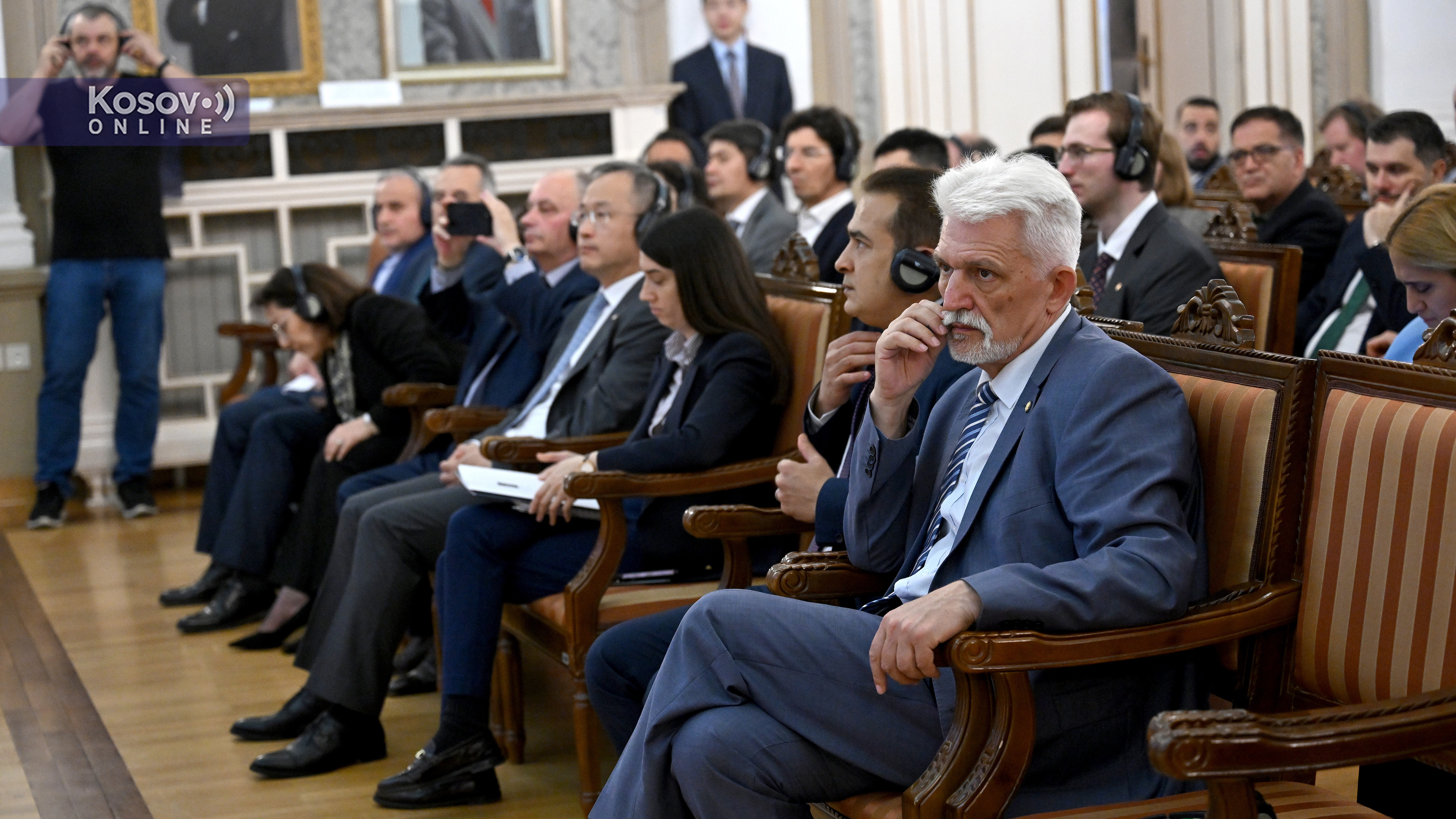
The two-day international scientific conference on contemporary international relations titled "Squaring the Circle: Navigating Changes in Contemporary International Relations" was organized by the Institute of International Politics and Economics and the Faculty of Security Studies, University of Belgrade, with the support of the Ministry of Science, Technological Development, and Innovation.



0 comments