
Donic: I doubt the EU has new energy for dialogue, Kosovo is not a focus for either Europe or the US
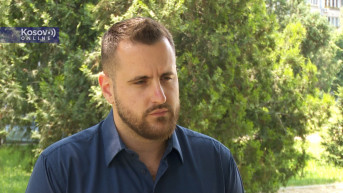
Petar Donic, an associate of the New Third Way, stated that the issue of Kosovo is no longer a focus for either the European or American administrations, which makes it difficult to expect any “new energy” in the negotiations between Belgrade and Pristina.
“The situation in Kosovo is calm, quite stable, and if we look at the key parameters, it is currently not a focus for either Brussels or the US. Especially not for the US, which is 'withdrawing from European affairs' and asking Europe to take responsibility. Whether there will be a thaw in talks and whether Europe will bring new energy into the process is currently very uncertain,” Donic told Kosovo Online.
He explains that the dialogue between Belgrade and Pristina is currently “entangled” in negotiations that, in his opinion, have “stalled” as both sides await first a new European, and then a new American administration.
“Until now, everyone was waiting to see America’s position, who would be the ambassadors, who would be the special envoys. On top of that, the hotspots are elsewhere for both America and Europe, and Europe is currently preoccupied with the issue of Ukraine. We can see that America is slowly withdrawing, or rather expecting European partners to take responsibility for European issues, while it shifts focus to Indo-Pacific matters,” Donic said.
He clarifies that this situation suits Pristina much more than Belgrade.
“Pristina is capitalizing on the status quo, while Belgrade wants to resolve this issue one way or another. But generally, this situation isn’t favorable for either side in the long run, because a frozen conflict is not good. We have seen in various situations how easily it can heat up again. Just in the last five or six years, both European and American positions, and the Kosovo issue within the new geopolitical setup, with wars and major trade tensions between global powers, have remained relatively calm,” Donic believes.
He specifies that the status quo suits Pristina because it allows them to continue unilateral actions.
“With little international presence, the status quo benefits Pristina’s institutions in maintaining and promoting the current situation. The longer it lasts, the more it sets a precedent for its continuation, so it absolutely suits them. For Belgrade, it is less favorable, but in general, neither side benefits from a situation where there is no final resolution,” Donic emphasized.


0 comments