
Split within LDK raises succession question – Can Përparim Rama challenge Kurti?
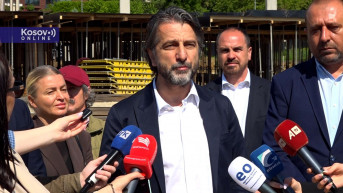
Amid a growing rift within the Democratic League of Kosovo (LDK), calls have intensified in recent days for party leader Lumir Abdixhiku to step down. One of the names emerging as a potential successor is Pristina Mayor Përparim Rama, an LDK member. Kosovo Online's interlocutors offered differing views on whether Rama has the political strength to rebuild the LDK and challenge acting Prime Minister and Self-Determination (Vetëvendosje) leader Albin Kurti. While some believe the political homo novus could stabilize the party, others argue that a party with the LDK's legacy does not need a postmodern leader.
Written by: Milena Miladinovic
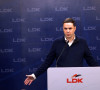
Several LDK members said yesterday that they had signed a petition calling for Abdixhiku's removal as party leader. More than 150 signatures have also reportedly been collected to convene an extraordinary party assembly, while, according to Armend Zemaj, the LDK branch to which he belongs has called for early internal party elections and a review of the June election results.
In addition to Avdullah Hoti and Hykmete Bajrami, the name of Përparim Rama has also been mentioned as a possible future leader of the LDK.
Rama has served as Mayor of Pristina since 2021. During his tenure, he has publicly criticized the central authorities, accusing them of obstructing major development projects in the capital.
However, regarding the possibility of taking over the leadership of the LDK, the architect and urban planner, educated in the United Kingdom, previously said that he was "not interested."
According to Kosovo Online's interlocutors, Rama represents a postmodern type of leader that is ill-suited to a party with the historical legacy of the LDK. They argue that, with his European political sensibilities, he would be unable to compete with Self-Determination leader Albin Kurti, whom they describe as engaging in "dirty politics."
The analysts also believe that the LDK, which they say is directionless and in free fall, would not regain its former prominence under Rama's leadership. Others, however, maintain that he could stabilize both the party and, consequently, Kosovo's broader political crisis.
Lacking a Conceptual Framework
Political analyst Artan Muhaxhiri believes that Përparim Rama lacks the political stature to lead the LDK because he does not possess the conceptual framework necessary to head the party.
Speaking to Kosovo Online, Muhaxhiri said the LDK faces numerous problems following its poor electoral performance, while party leader Lumir Abdixhiku has shown no willingness to change his approach.
"However, other influential figures within the LDK are no longer prepared to accept this approach and this style of leadership. The return of Vjosa Osmani also failed to produce the major positive results that had been expected. As a result, the LDK is now facing serious internal problems, and they will continue because neither side is willing to compromise. Consequently, these divisions are likely to deepen," Muhaxhiri said.
Commenting on media speculation that Pristina Mayor Përparim Rama could replace Abdixhiku as party leader, Muhaxhiri said he does not believe Rama has the political weight required to lead the LDK.
"The LDK is a very important party with a long tradition dating back to the late 1980s. It has been present throughout every major chapter of Kosovo's modern history and continues to wield considerable influence. I do not believe Rama possesses the conceptual framework necessary to lead the party. He represents a type of postmodern leader that is not well suited to a traditional party such as the LDK. He has not brought about major positive changes in Pristina. He has won two elections, but I believe those victories were largely due to weak opponents and the limited investment made by other political parties in their campaigns, particularly Self-Determination. Kurti did not focus on Pristina either four years ago or in last year's election," the analyst said.
Muhaxhiri added that Rama has few major projects to showcase as evidence of successful governance that could serve as a model for running Kosovo if he were to become LDK leader and the party's likely candidate for prime minister.
According to him, the LDK now needs a politician with authority and experience who can bridge the deep divisions within the party.
"I do not believe that Përparim Rama is that person. In fact, he has good relations neither with Abdixhiku nor with the opposing faction within the party. The near future will therefore be very difficult for the LDK," Muhaxhiri concluded.
A European Political Sensibility
Security studies researcher Nikola Vujinovic told Kosovo Online that Rama is effectively the third most influential figure in the LDK, after party leader Lumir Abdixhiku and Vjosa Osmani.
"He is the third man in the LDK. After Lumir Abdixhiku and Vjosa Osmani comes Përparim Rama. The fact remains, however, that he occupies that position largely because he is the Mayor of Pristina, managing a budget of €150 million, and it was in that capacity that he came into conflict with the central authorities," Vujinovic said.
In his opinion, the more important question is not who will lead the LDK, but what the LDK has become.
"The LDK is in free fall. It is drifting without a clear idea of what it stands for. They tried to halt that decline by bringing back Vjosa Osmani, but they failed. I am not convinced that Rama is the person capable of reversing that trend," Vujinovic said.
He believes the party's founders should determine which candidates are genuinely capable of leading the LDK, rather than relying on familiar faces, as they did with Vjosa Osmani.
As he noted, Rama has a distinctly European political sensibility and does not fit the political culture traditionally associated with Kosovo politicians.
"For that reason, he is not a good opponent for Kurti, because he simply cannot engage in dirty politics," Vujinovic added.
He also pointed to what he described as an ongoing campaign against Rama, arguing that Self-Determination views him as a potential future leader of the LDK.
"It is obvious that Self-Determination sees him as the future leader of the LDK. That is why we are witnessing attacks from the Pristina Municipal Assembly claiming that he is not really an LDK representative, but that the Democratic Party of Kosovo (PDK) is keeping him in power and that he accommodates the PDK through the city administration. We have also heard accusations from Basha and other senior Self-Determination officials calling him a criminal, a drug addict, and so on," Vujinovic said.
According to him, all this suggests that Self-Determination fears Rama could eventually become the leader of the LDK.
Nevertheless, Vujinovic does not believe Rama can halt the LDK's decline or restore the party to its former political prominence.
"What the LDK needs is genuine change—a complete change of political vision—and to finally accept that it is in opposition. Five years after moving into opposition, it still seems unable to come to terms with that reality," he concluded.
Stabilising the LDK
Diplomat Albert Prenkaj believes that competition for the LDK leadership is already underway and argues that Rama could help stabilize both the party and Kosovo's wider political landscape.
Speaking to Kosovo Online, Prenkaj said Kosovo's political spectrum is predominantly conservative and centre-right, although centre-left parties have occasionally emerged without lasting success.
At the same time, he noted, there have also been attempts to establish theistic political organisations, although they have enjoyed only limited representation in the Kosovo Assembly.
According to Prenkaj, the LDK—the first political party established in Kosovo—is a centre-right party affiliated with the European People's Party (EPP) and belongs to the oldest transnational centre-right political family, founded in 1976.
He recalled that following the death of Ibrahim Rugova, the party entered a prolonged leadership crisis that continues to this day.
"It is well known that during the 1990s the LDK led the peaceful resistance against Slobodan Miloševic's regime by organising the well-known parallel institutions in Kosovo. Following the 1999 war and the death of its historic leader, Ibrahim Rugova, the party entered a period of leadership crises.
Today, the LDK once again faces the need for new leadership. Its results in the last three elections clearly demonstrate that its performance has been inadequate.
"When Vjosa Osmani and several of her associates returned from Guxo, Self-Determination's coalition partner, many believed this would also bring back the large number of voters she had previously taken with her. That return largely came at the insistence of LDK leader Lumir Abdixhiku. However, that political investment failed to deliver the expected results, showing that the former President of Kosovo, despite her close cooperation with Albin Kurti, was not a leader capable of matching him," Prenkaj said.
He added that it is evident that an internal contest for the party leadership is underway, although Abdixhiku continues to resist such efforts, believing he still enjoys sufficient authority and support.
"In essence, Abdixhiku has publicly declared that his preferred option is for Vjosa Osmani to become the party's candidate for President of Kosovo, alongside a possible governing coalition with Kurti. It appears, however, that a significant portion of the LDK membership disagrees with that political direction, if it can even be described as such. Within the party, there is open opposition both to the prospect of a coalition with Self-Determination and to Vjosa Osmani's presidential candidacy. In the meantime, signatures have been collected challenging Abdixhiku's position as party leader," Prenkaj said.
As a possible new party leader, he said, attention has turned to Pristina Mayor Përparim Rama, who communicates more directly with the public and has delivered tangible results in the municipality he leads.
"There is growing discussion about a potential new LDK leader capable of challenging Albin Kurti's dominance and providing an alternative to Self-Determination's policies. One of the names frequently mentioned is Pristina Mayor Përparim Rama—a homo novus who has brought a fresh spirit from London and who could elevate the party to a higher level. Compared with previous opposition leaders, Rama appears more direct in his communication, and that has produced concrete results in the capital," Prenkaj said.
He concluded that the appointment of Rama—or any credible alternative—would help stabilize the LDK and, by extension, Kosovo's political, institutional, and state dynamics.

0 comments