
EU Report on Serbia: Elections held in a peaceful atmosphere, more pluralist parliament constituted
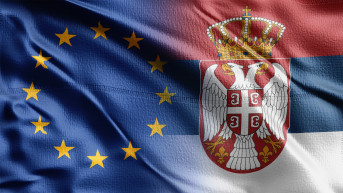
In the European Union Report on Human Rights in Serbia for 2022, it was stated that the presidential and extraordinary parliamentary elections held in April last year had taken place in a peaceful atmosphere and that basic freedoms had been generally respected, and that after the elections, on August 1, a more "pluralistic" parliament had been constituted.
As stated, according to the final report of the International Election Observation Mission, a number of shortcomings led to the unevenness of the "fight" in favor of the power holders.
"It is crucial that the remaining and new recommendations of the Office for Democratic Institutions and Human Rights (ODIHR) and the bodies of the Council of Europe are fully implemented, in a transparent manner, long before any new elections and with the involvement and consultation of experts from civil society organizations," it is recommended in the Report and added that the new, more pluralistic parliament had been constituted on August 1.
When it comes to Serbia, the EU focused on areas in 2022 that included freedom of expression, human rights, the institution of law, and the rights of the members of national minorities, including the Roma people, and the focus on criteria within the negotiation Chapter 23 – justice and the rule of law continued.
"The EU has carefully monitored the continuous implementation of Serbia's action plan for Chapter 23, including the set time frames. The EU has continued to carefully monitor the respect of human rights in Serbia within the EU accession negotiations, especially within Chapter 23. There is a regular political dialogue on the technical and at the political level, including within the framework of the Stabilization and Association Agreement," it added.
When it comes to the legislative and institutional framework for the preservation of basic rights, it is said that it is mostly established with the addition that Serbia has adopted new strategies to combat discrimination and inclusion of Roma people, as well as action plans for gender equality.
The Report states that the legislative and institutional framework needs to be consistently and effectively implemented, as well as that Serbia needs to strengthen human rights institutions by allocating the necessary financial and human resources and establishing procedures to ensure compliance with the judgments of the European Court of Human Rights as well as its interim measures.
It is stated that in September 2022, Serbia hosted the first EuroPride in the Western Balkans, but also that there is still directed hate speech, threats, and even violence against all those involved in the protection of human rights and LGBTI persons.
It says there has been no progress on freedom of expression.
"In several cases of attacks and threats against media workers, the Police, and the Prosecution reacted quickly. However, cases of threats and violence against journalists are still worrying. Unhindered reporting and freedom of expression still need to be further strengthened in practice. The implementation of the media strategy had an increasing delay," the Report states.
When it comes to the financial engagement of the EU in Serbia in 2022, it is stated that the EU continued to implement programs within the Instrument for Pre-Accession Assistance (IPA) to support social inclusion and anti-discrimination policies and to improve the position of persons in vulnerable groups, including the Roma people and internally displaced persons.
"Basic support for the media in Serbia continued through the ongoing IPA grant of 2.4 million euros implemented by the European Endowment for Democracy. The new IPA media support began in 2022 with the launch of a new long-term grant in favor of the Press Council of Serbia (600,000 euros) and the signing of nine new grants - contracts for the support of independent media (about 2.8 million euros)," the Report states.
As a part of the Program for Civil Society, it was added, that the implementation of 18 grants had been ongoing in 2022, with a total value of 8.5 million euros.
An additional amount of 4.8 million euros was allocated through the EU project of the National Resource Center, which will enable the further development of civil society.
The Report adds that several projects financed through the European Instrument for Democracy and Human Rights were completed in 2022, with a special focus on the protection of minorities, gender equality, children's rights, migrants, and human rights activists.
Five new grants in the amount of 850,000 euros were signed for the program for human rights and democracy, and the implementation of activities within the IPA regional projects continued.
Through the Horizontal Assistance of the EU and the Council of Europe, support was provided to the fight against discrimination and the protection of the rights of vulnerable groups (including LGBTI persons and minorities), as well as freedom of expression and freedom of the media.
It is stated that Serbia has continued dialogue and cooperation with national, European, and international organizations for human rights.
It is noted that in multilateral forums, Serbia joined the EU when it voted at the UN General Assembly for two resolutions related to Russia's aggression against Ukraine and its humanitarian influence.
"Serbia also voted for the suspension of the Russian Federation in the UN Human Rights Council," it states, but also adds that on January 24, 2022, Serbia extradited a citizen of Bahrain, which is contrary to Serbia's obligations as a member of the European Convention on Human Rights.

0 comments