
Former diplomats: Kosovo should use the UN to address the issue of the Specialist Chambers
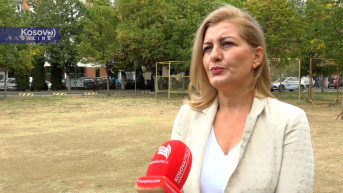
Former Kosovo diplomats believe that Kosovo's participation in events on the sidelines of the United Nations General Assembly in New York should also be used to address the issue of the verdicts handed down in The Hague against former KLA leaders before the Specialist Chambers, Kosova Press reports.
Former Kosovo Ambassador to Italy Alma Lama says that the meetings Prime Minister Albin Kurti held in New York are important, but noted that when it comes to the issue of the Special Court, high-level engagement with the United States and the European Union is necessary.
“It is good that Kurti has understood the importance of diplomacy; however, I get the impression that, just like previous governments, he holds meetings more for public perception in Kosovo than to genuinely improve cooperation with the countries and representatives he meets. As for the Special Court, I believe the focus should be on the United States – specifically on meetings with official US state representatives – which we have not yet seen. We have witnessed meetings with certain members of Congress – which is positive – but not with official government and administration representatives. Although members of Congress are important, they have different roles,” Lama explains.
She believes that another key area of engagement should be the European Union, given that the Specialist Chambers were established under the auspices of the EU.
“Honestly speaking, there is not much that can be done now, because the case is moving into the appeals phase and the process cannot be redirected. I believe the Kosovo government should support the process domestically by helping finance top legal representatives, with the aim of securing a different outcome that would better serve the interests of the Republic of Kosovo,” Lama says.
Former diplomat Albert Prenkaj says that the issue of the convictions of former KLA leaders should be addressed through sustained diplomatic engagement.
Prenkaj said that the Kosovo delegation in New York should have raised the issue during meetings with representatives of various countries, although he expressed doubt as to whether this had been done to a sufficient extent.
According to him, Kosovo must keep this issue on the agenda and use its diplomatic network to convey its message to key international centers.
“This judicial institution, established by the Kosovo Assembly, was created in coordination with the international community; I believe that this judicial body, together with them, must take a clear form and establish a legal link with Kosovo. It must not turn into an untouchable island ready to harm Kosovo... I hope that the Kosovo delegation currently in New York has raised this issue and called for it to be addressed appropriately. Nevertheless, I have some doubts. It usually happens that heads of state simply exchange information with their counterparts. But I believe – and this is why I expressed my doubts – that more needs to be done. The door should remain open and continued cooperation in this regard is necessary. We have a diplomatic network in various major world centers that should be used to convey Kosovo's message – the message of dissatisfied citizens who are taking to the streets, expecting the political establishment to address this issue,” Prenkaj said.



0 comments