
Gogic: Reduction in the number of councilors could most affect members of non-majority communities in the north
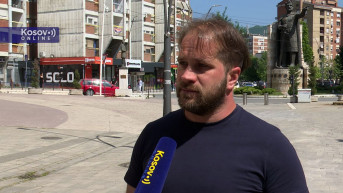
Political scientist Ognjen Gogic told Kosovo Online that the decision by the Central Election Commission to reduce the number of councilors to 15 in northern municipalities may most significantly affect members of non-majority communities in these four municipalities, for example, the Albanian and Bosniak communities, as they will now have fewer chances to win a council seat.
As for the Serbs, he says, the most important thing is for them to return to the institutions.
“The Serb List and other Serbian parties could take all those mandates,” he believes.
According to the Law on Local Self-Government, he explains, the CEC determines the number of councilors in a municipality based on the population, and that data is provided by higher institutions using the census.
However, he points out that reliable data on the number of residents in northern municipalities does not exist, since the census was not conducted there last year, partly because of the Serb boycott and partly due to the lack of census takers.
He adds that a similar situation occurred in 2011, when the census also was not properly conducted in Serb areas in Kosovo. At that time, the responsible agency provided an estimate based on the electoral roll and on assessments made by the OSCE.
“This time, that wasn’t the case, and there are no alternative data sources. So, the Kosovo Agency of Statistics gave an estimate of the population in the northern municipalities, which is being treated as census results. According to that estimate, only a few thousand people live in each of the northern Kosovo municipalities, in fact, fewer than 10,000 in each, and it is of course questionable what those estimates were based on. But the CEC can’t do anything about it. The CEC cannot question whether the results are accurate or not, and it cannot request a revision,” Gogic says.
He also points out that the numbers used by the Agency of Statistics as census results should have been challenged, since they will be relevant not only for determining the number of councilor seats in municipal assemblies, but also for budget transfers.
“The municipality of Gracanica, for example, will have 19 councilor seats because, according to the census results, it has nearly 19,000 residents. However, even there, objections have been raised about the census. Some citizens reportedly wanted to be counted but were not able to, so had the census been conducted properly, Gracanica might have had a higher number of registered residents and thus more councilor seats. This is a general problem in Serb-majority areas,” our interlocutor concludes.



0 comments