
Hoti: There will be no new sanctions for Kosovo, EU's idea isn't to punish
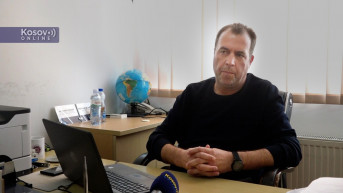
Analyst Afrim Hoti assesses for Kosovo Online that the EU's idea is not to punish anyone but rather to exert pressure on Serbia and Kosovo to implement what has been agreed upon. He believes that the current situation – where many European projects in Kosovo are blocked – will continue, but he doesn't think there will be another package of sanctions for Kosovo.
Hoti reminds that Kosovo is already facing some political measures from the EU and that there are already some consequences of those measures.
"From my point of view, there won't be any other sanctions because the EU's idea isn't to somehow punish countries, especially young countries, as is the case with Kosovo. Nor the other side. We don't see EU sanctions toward the Republic of Serbia or toward the political leadership in Serbia. The idea is how to exert pressure on both sides to implement what has already been agreed upon; I'm talking about the Ohrid Agreement and other agreements reached so far between the Kosovo Prime Minister and the Serbian President," Hoti states.
If new measures do come, of course, there will be consequences for the citizens of Kosovo, our interlocutor believes.
"Whatever the EU decides, it will naturally affect the citizens and the political leaders of both countries. But the most sensitive effects will fall on the citizens of both countries. Let me give you an example, there are projects that started before the EU's political measures. And they are still suspended due to the political obstacles and disagreements that the Kosovo government shows toward the EU authorities. In this regard, we don't see any kind of project implementation, I'm talking about major projects that the EU intended to implement," he explains.
According to him, the EU doesn't have a mechanism to impose decisions on any country.
"Not only the EU but also countries bilaterally, they can't impose. All they can do is exert some kind of pressure or use bilateral relations, especially countries with which you have allied relations. I'm talking about Germany and Kosovo, or France and Kosovo, or the UK and Kosovo. But that is not a real mechanism for taking action or stopping certain decisions," Hoti concludes.



0 comments