
Kurarau: Kosovo and Transnistria cannot be compared due to international recognition and the nature of the conflict
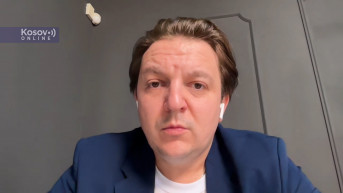
Moldovan journalist Andrei Kurarau told Kosovo Online that, in terms of European integration, the cases of Moldova and Transnistria differ from the relationship between Serbia and Kosovo due to the international recognition of Kosovo, as well as the ethnic nature of the 1999 conflict in Kosovo.
He pointed out that even Russia, which maintains a military presence there, does not recognize Transnistria’s independence, while the only entities that have supported the independence of that Moldovan territory are South Ossetia and Abkhazia, territories whose own independence is also not internationally recognized.
“There is no international precedent when it comes to recognizing Transnistria. I think the situation is different compared to Kosovo because of the nature of the conflict. It was an artificial conflict that was not based on ethnic or religious reasons. The majority of Transnistria’s population consists of Moldovans, more than 40 percent,” he said, adding that more than 90 percent of Transnistria’s citizens hold Moldovan passports.
Kurarau assessed that the Cyprus precedent is more similar to the case of Transnistria than to Kosovo, pointing to the problems of economic control over the separatist territories in both Cyprus and Moldova.
“Generally speaking, I would say that the cases of Kosovo and Transnistria cannot be compared because of Kosovo’s international recognition, the special relationship Kosovo has with the EU, and also because of the nature of the disagreement between Kosovo and Serbia, which established, if not a precedent, then at least a case in which Kosovo’s statehood is widely recognized within the international community,” Kurarau said.
He nevertheless emphasized that it is important for Moldova to resolve the issue of Transnistria as soon as possible.
“Our approach has always been peaceful, but for us European integration and Europeanization in general, economic growth, and the reforms that come with European integration are now the priority. We increasingly hear from Transnistria that they, too, would like to be EU citizens. Many of them hold Romanian passports and are already European citizens,” he added.
According to him, the obstacles may be of a technical nature, but if Chisinau manages to resolve issues related to crime, Russian influence, and the economy, Kurarau believes that a Cyprus-like scenario could also be possible for Moldova.
“What we are now seeing in Transnistria is economic collapse following the reduction of subsidized or free gas imports from Russia. More and more people from that region are claiming that Moldova could address their problems much better than Russia,” Kurarau concluded.


0 comments