
Mijacic: Each autonomy is a separate story; it is not realistic to copy a specific European model for the CSM
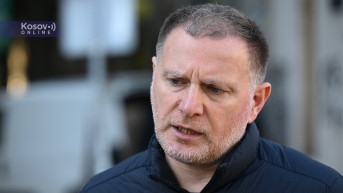
Dragisa Mijacic, the coordinator of the Working Group of the National Convention on the EU for Chapter 35, commented on the possible content of the draft statute of the Community of Serb Municipalities, recently presented to Belgrade and Pristina by the "big five" and still unknown to the public. Mijacic believes that it is not realistic for it to be a direct copy of any of the 15 European models mentioned by the EU representative for the Belgrade-Pristina dialogue, Miroslav Lajcak, however, he says it is possible that certain elements of these models have been incorporated into the proposed statute.
As he emphasizes, that document certainly contains examples of good European practices.
"Each autonomy is established in relation to the history and political system in which it is to be created. So, it is not realistic for any of those 15 models to be directly copied, but parts of those models can be incorporated into the framework of the statute presented to Belgrade and Pristina by the 'big five.' This implies that the statute is assumed to meet some EU standards for autonomy, although there are no classical European standards when it comes to autonomy, as each autonomy is a separate story. However, it will meet the standards of the Convention on Human Rights, minority communities, and similar," Mijacic stated for Kosovo Online.
Mijacic reminds that there is already a plan from 2013 and 2015 that provides a foundation for what the CSM should look like and what its competencies are, and that there is already a management team in place that has drafted a statute and presented one version.
He says that it is a question of whether a new team will be formed to create a statute or whether the "big five" have taken a "take it or leave it" approach.
"We don't know whether a management team will be formed again or whether they will submit a new statute. However, it is evident that with these solutions, it won't be the case," Mijacic believes.
Mijacic believes that the statements of Serbian President Aleksandar Vucic and Kosovo Prime Minister Albin Kurti regarding the proposal they received indicate that they are somewhat satisfied with the proposed solutions.
"What is most important to us is how the issue of the autonomy of specific competencies, primarily in healthcare, culture, and education, as well as in other areas that the CSM would deal with, such as spatial planning and economic development, will be resolved. At this moment, no one in the public has disclosed that document, there haven't been any credible sources that have done so, so we will wait and see," Mijacic says.
When asked if Kurti's statement that the proposal from the Quint is a good "framework" for further negotiations means that he has accepted forming the CSM or is buying time again, our interlocutor says that Kosovo cannot escape the obligation to establish the CSM and that the question is what form the CSM will take, not whether Kosovo will establish it.
"We know Kurti's positions, he would like the CSM to be similar to the Assembly of the Joint Council of Municipalities in Eastern Slavonia, which is an institution that does not have a significant function. Such a community certainly does not correspond to the interests of the Serbian people and what the Serbs in Kosovo expect to gain from this process," Mijacic added.

0 comments